
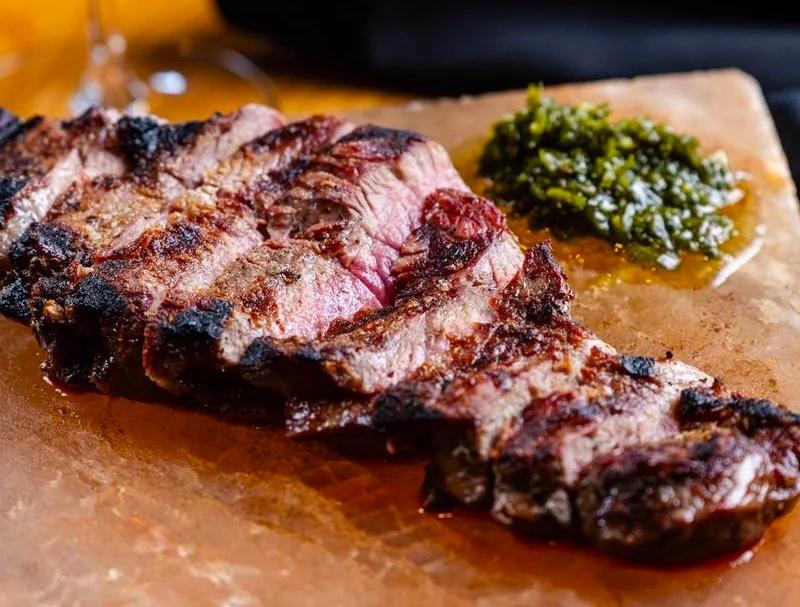
Wagyu Bar photo

Audio By Carbonatix
While some of Miami’s newest restaurants chase social media trends, restaurateurs Gabriel Llaurado and Luis Mata have built a reputation by doing the exact opposite. They’ve focused on quality over flash and on making great meat accessible to everyone.
That philosophy has helped turn their modest Miami butcher operation into a growing South Florida brand. They now boast seven butcher shops, two restaurants, and a café. However, this is an unlikely success story. Llaurado came from computer science, his business partner Mata from finance, and neither had a formal background in butchery. Both were born in Venezuela but raised in Miami, a city they still consider home and where they chose to build the business.
Now, the successful pair has expanded their neighborhood steakhouse, Wagyu Bar, into a larger, more polished space in the old Cafe Vialetto space in Coral Gables. And while the expansion may look seamless from the outside, the path to get there was anything but.
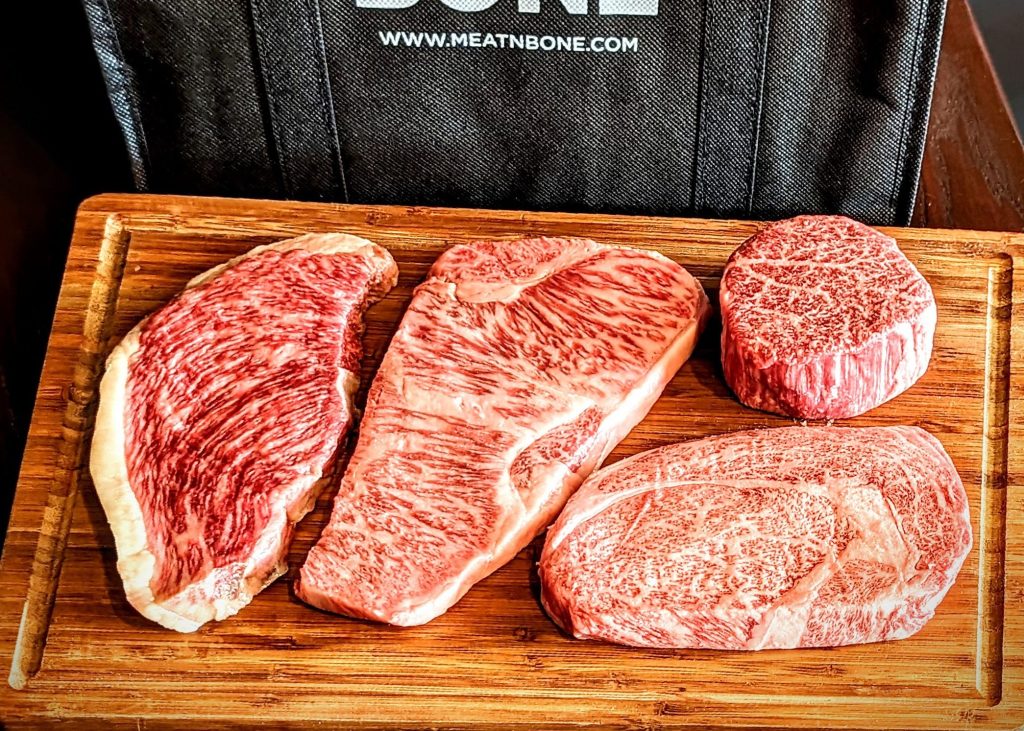
Meat N’ Bone photo
Building a Butcher Shop Without a Playbook
Back in 2014, while cooking together at home one night, the duo came to a realization: finding consistently good meat in Miami wasn’t easy.
“There was a big gap in access to quality proteins, as well as in education around them,” Llaurado shares with New Times. “You could buy something at the grocery store, but you didn’t really know what you were getting. Labels like ‘grass fed’ and ‘pasture raised’ are often misleading or loosely regulated, leaving most consumers without a clear understanding of what they were actually buying.”
Recognizing the opportunity, the pair started Meat N’ Bone, a small butcher operation focused on quality, transparency, and access. They started with about 40 products, sourcing from top-of-the-line farms across the country, and shipping back to Miami.
“We were doing deliveries, packing everything ourselves. Very humble beginnings,” Llaurado says.
Over time, that small project evolved into a highly curated selection of meats. It now spans more than 400 cuts and products across beef, pork, poultry, seafood, and game, with something for nearly every budget. Today, that can mean Japanese A5 wagyu, lamb from Australia, domestic beef from the Midwest, African tiger prawns, or even camel burgers… and a business that’s built a following well beyond Miami.
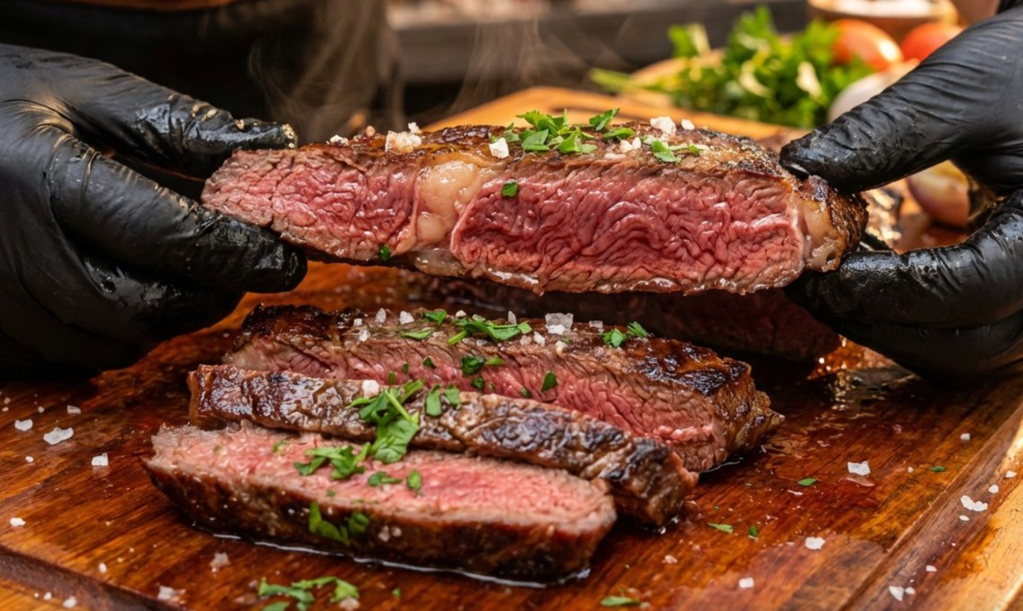
The Wagyu Bar photo
Meat for Every Budget
From the start, the goal was to offer a range. “At Meat N’ Bone, you can go all the way up to Japanese A5 Kobe, or you can have a domestic Wagyu from Colorado that’s still high quality. The idea is that good meat shouldn’t feel out of reach.”
That philosophy also applies to their restaurants. The menu is broad (sometimes overwhelmingly so) because it’s built around choice. “We don’t want to be the place where you come once, spend $1,000, and never come back,” Llaurado says. “We want you to try something, enjoy it, and then come back and explore something else.”
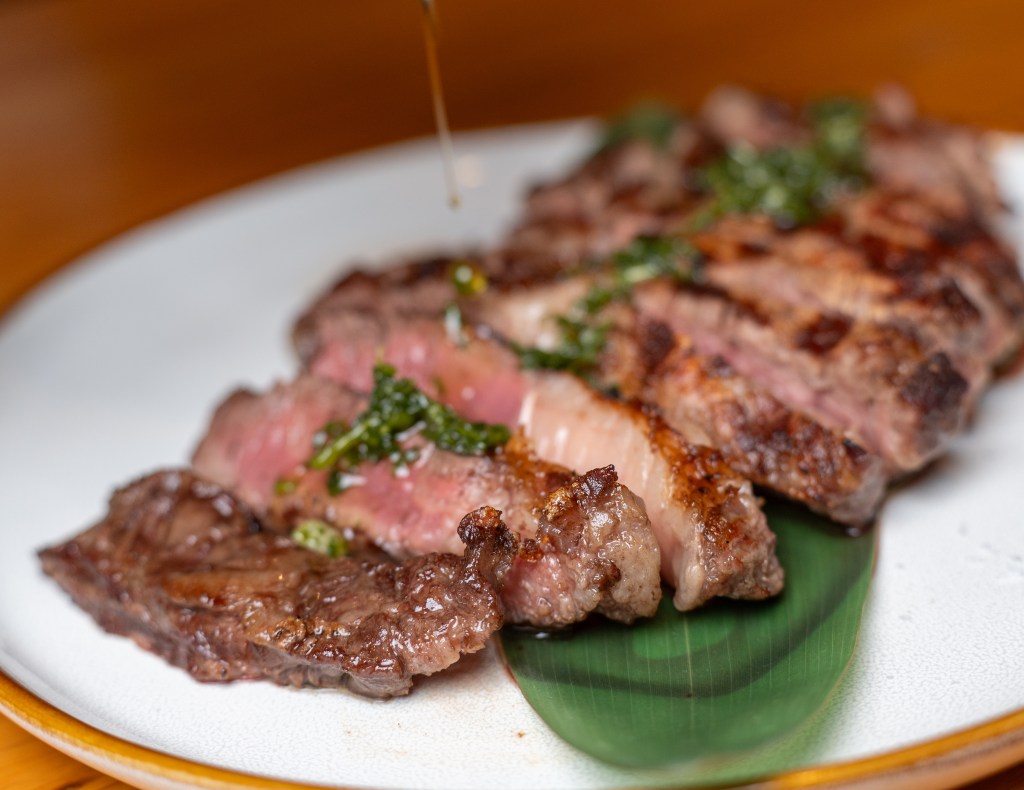
The Wagyu Bar photo
An Alternative to the Modern Steakhouse
The restaurant side came almost by accident, when a small Coral Way space opened up during the pandemic.
The idea was to make it an extension of the butcher shop, giving customers the choice to buy meat to take home or stay and have it prepared for them. Because they owned the product, they could make the margins work. Rather than build a traditional steakhouse, they created a neighborhood spot where the meat could lead.
That approach is a major contrast to many of Miami’s newer steakhouses, where design and ambiance often take center stage. “You go to some places, and you’re paying for the multi-million dollar build out,” Llaurado says. “For us, the focus is the food. The show is the meat.”
The Wagyu Bar photo
Introducing Wagyu Bar 2.0
The original Wagyu Bar, which opened in 2021, was small, casual, and unfussy. Parking on Coral Way was limited, the setup was simple, and over time, it built a loyal following.
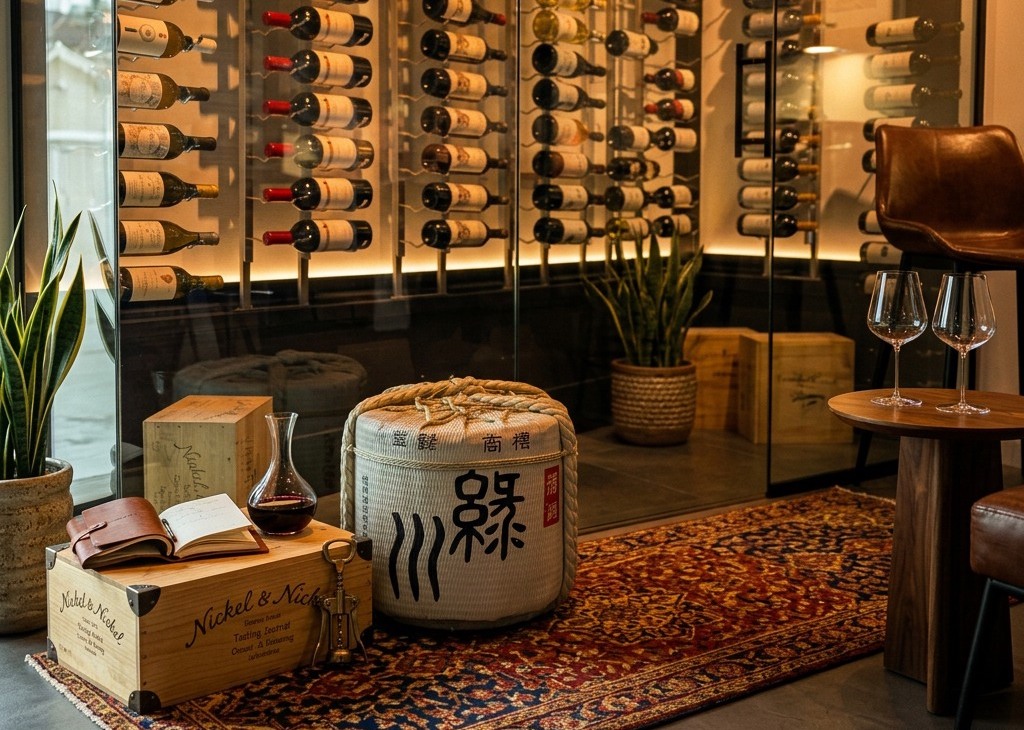
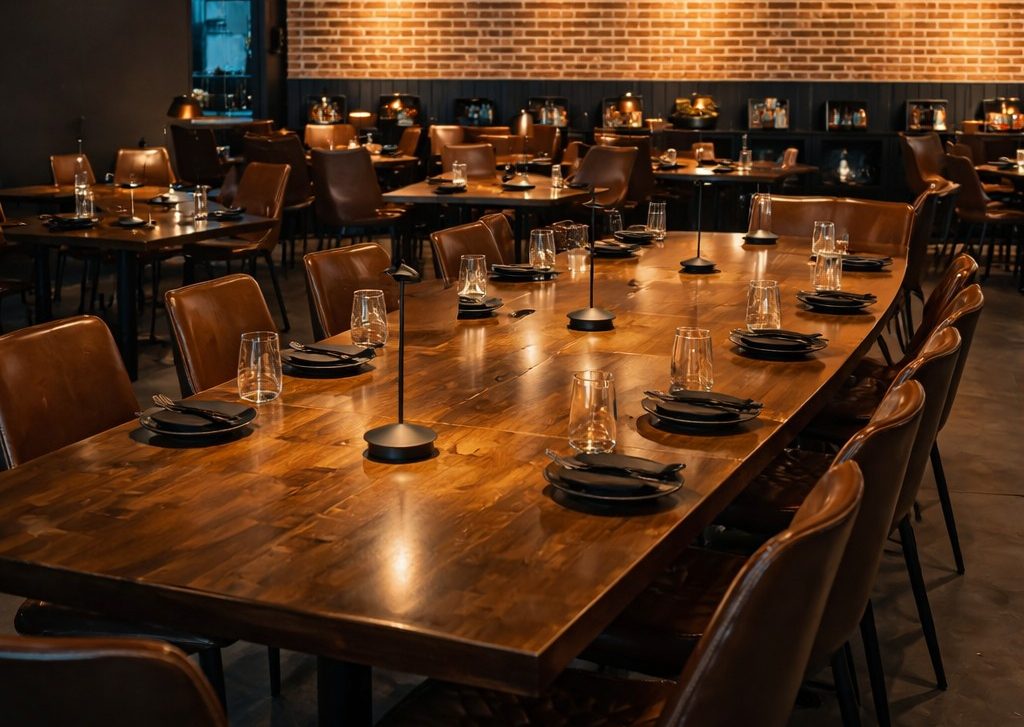
The new Wagyu Bar in Coral Gables along Le Jeune is a clear step up. It has a larger, more polished space that’s noticeably more elevated than the original yet still approachable, plus a full bar and ample nearby parking.
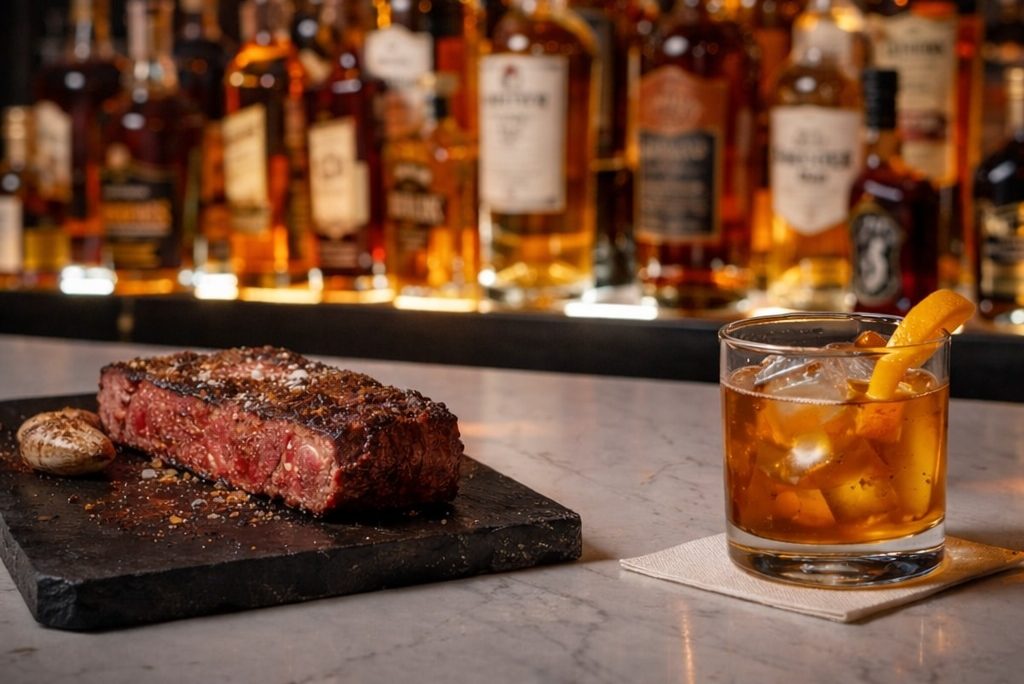
The steak list runs from a $35 U.S. ribeye to A5 Japanese wagyu, with most cuts landing well into the hundreds, including cuts from cattle raised on specialized diets like olives or wine.
The Wagyu nigiri, lightly torched tableside, takes a rich cut and makes it feel a bit lighter. The tartare, served over avocado and meant to be mixed at the table, makes it more fun and interactive. And for something more casual, there are also $24 lunch plates with steak, rice, quinoa, or greens.
The Wagyu Bar photo
Teaching Customers What They’re Eating
For Meat N’ Bone, education matters just as much as accessibility. Walk into one of their butcher shops, and you’ll likely get a quick rundown on marbling scores, sourcing, or how to cook a specific cut.
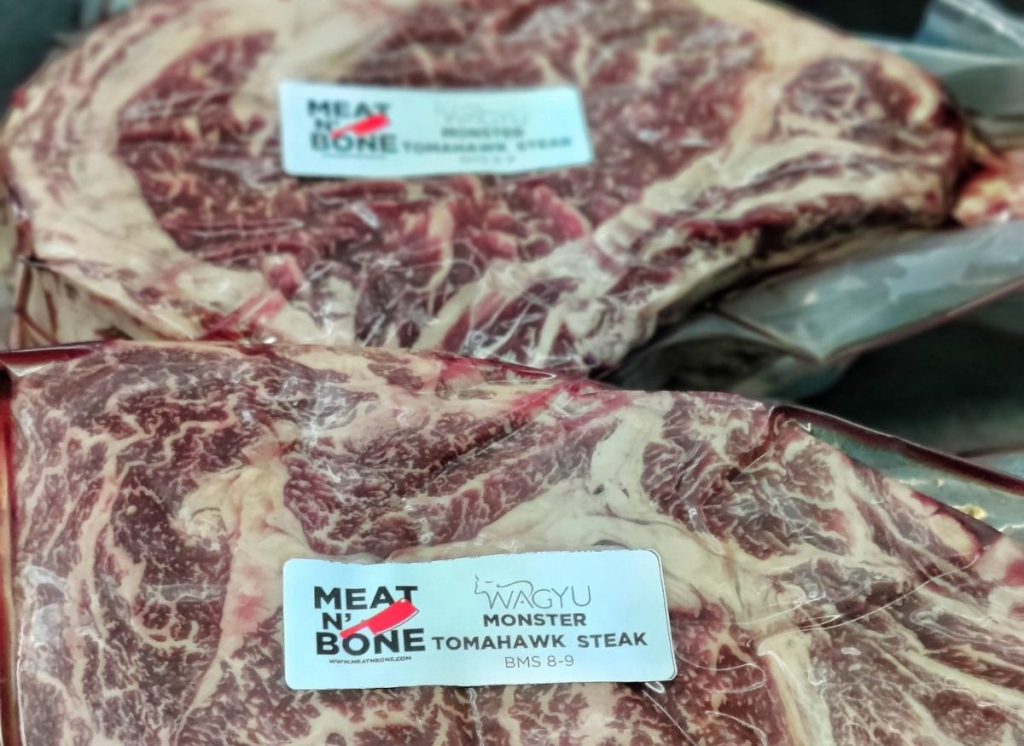
To help make those choices easier, the company developed its own 12-level grading system to break down differences in quality. In simple terms, the more marbling, the rarer (and more expensive) the cut. The system has since been trademarked after other restaurants and shops began using it.
The company website also includes video tutorials, along with ratings and customer tips on how to cook each cut, which comes in handy for more specialized items like Thanksgiving turkey or whole lamb.
The Wagyu Bar photo
Beyond Coral Gables
As the restaurant side grows, the original space hasn’t been left behind.
The former Wagyu Bar location has been reworked into Meat N’ Bone Kitchen, a more casual, all-day café where customers can still pick up meats to cook at home or go for something quick like burgers, sandwiches, or even breakfast. The brand now also includes Casa Wagyu in Hallandale Beach, a more upscale dining room with a brighter, more polished feel.
That growth hasn’t come without setbacks. In late 2024, a fire destroyed the company’s main Miami facility, disrupting operations during the busy holiday season. Orders were delayed, systems had to be rebuilt, and production was temporarily relocated. The response from the community, though, was immediate. Customers reached out, placed orders anyway, and even showed up to help clean up, while local partners stepped in to keep things running.
It was a difficult stretch, but it reinforced something the founders had already believed: the business may be built on meat, but its strength comes from the people around it.
Meat N’ Bone photo
A Local Brand With National Reach
Today, Meat N’ Bone ships nationwide, offering over 400 products (a far cry from the original 40 it first offered), with strong demand in markets like California, Texas, and New York, often surprising customers who assume the company is based elsewhere.
“A lot of people think we’re in the Midwest or the West Coast,” Llaurado says. “They can’t believe it when they find out we’re in Miami.”
But staying rooted here has always been part of the plan. “We grew up here. This is home,” he says. “Starting the business here was important to us, and helping build a stronger culture around meat in Miami is part of that.”
The spaces may be bigger now, the dining rooms more polished. But the pitch hasn’t changed: better meat and a business built on getting people curious enough to come back for something new.
The Wagyu Bar by Meat N’ Bone. 4019 S. Le Jeune Rd., Coral Gables; 786-579-2498; thewagyubar.com.