Studio 60 photo

Audio By Carbonatix
Reader support matters more than ever
We're in the final stretch of our summer campaign. Our goal is to raise $10,000 to support the journalism our community relies on. Reader support is helping shape the future of local news.
“Welcome to Studio 60. The future of Miami nightlife.” That’s not entirely true.
Located at the northern edge of Allapattah, a few blocks away from the Earlington Heights Metrorail station, Studio 60 has been operating since 2006, making it one of the city’s longest-running nightclubs.
However, whereas spots like Club Space, LIV, and E11even have become a vital part of Miami’s nightlife ecosystem, Studio 60 has been more of an IYKYK locale popular with the Latin music crowd. And even in that regard, it has been outshined by Hoy Como Ayer, Ball & Chain, and its down-the-road neighbor, Club Tipico Dominicano — which has been in operation since 1985.
So why is it the “future”?
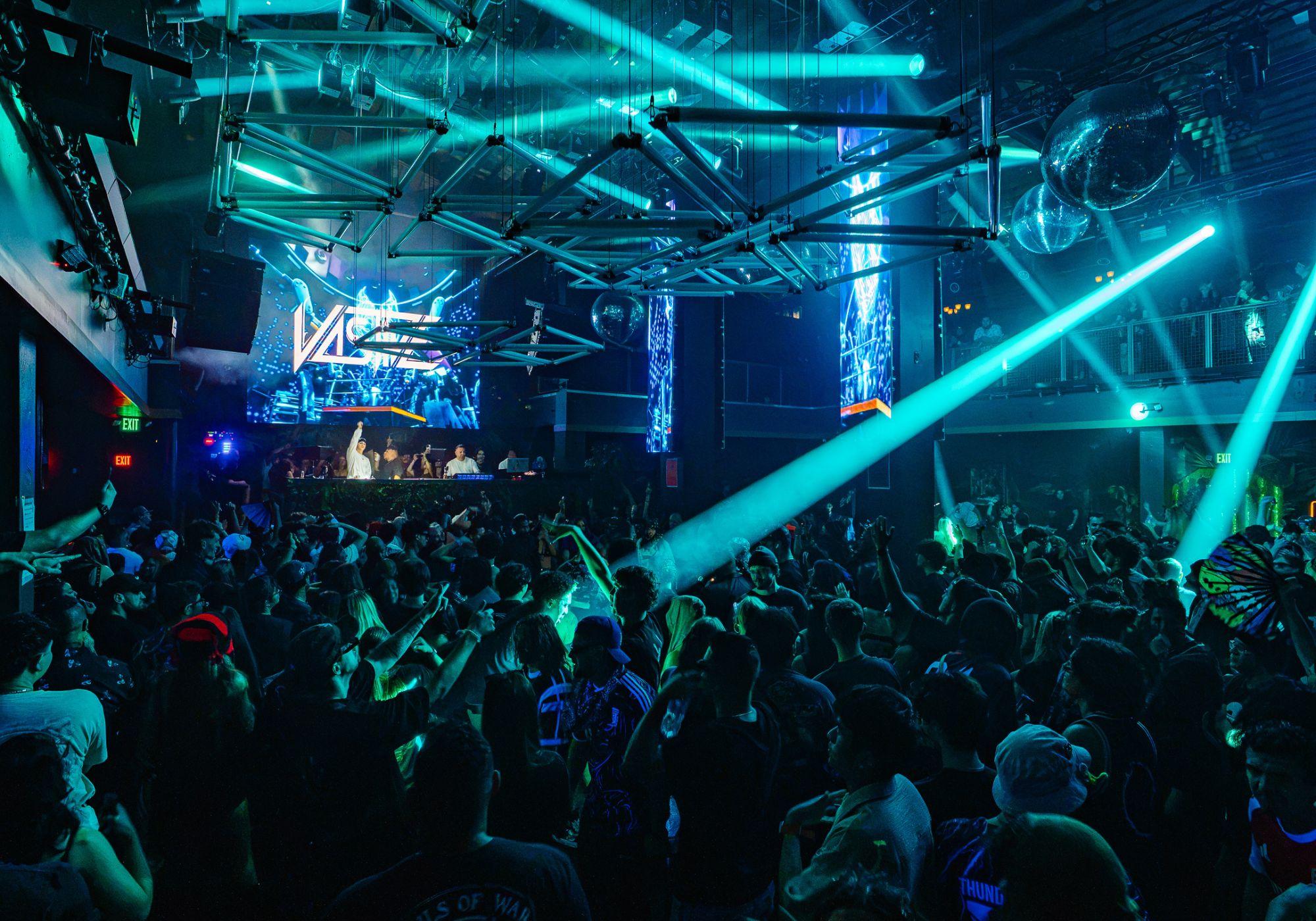
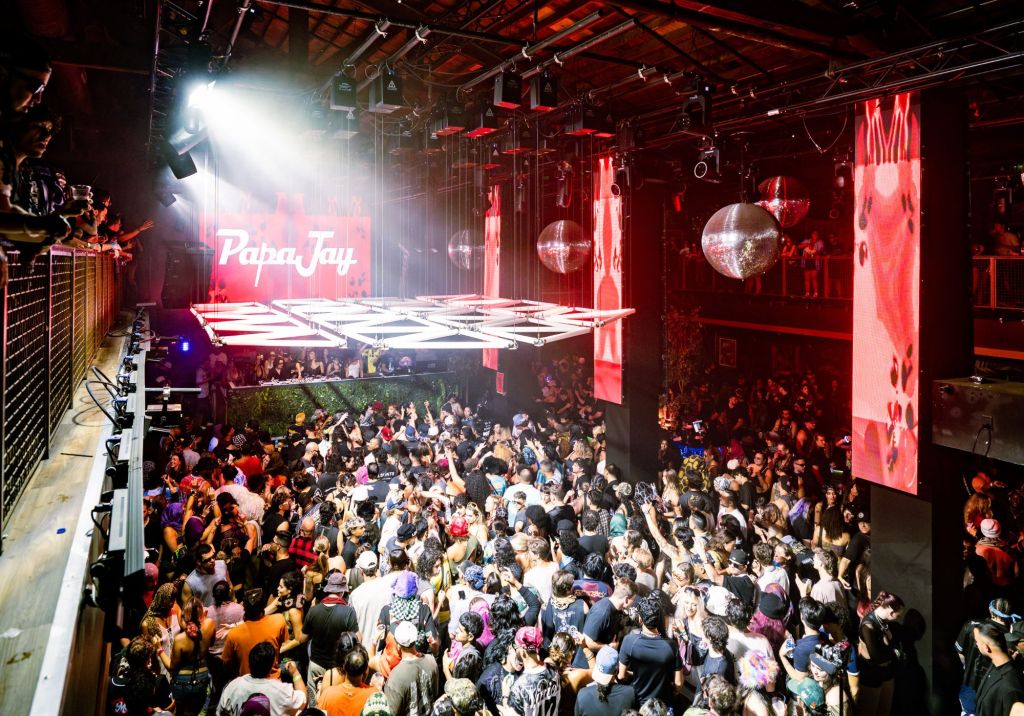
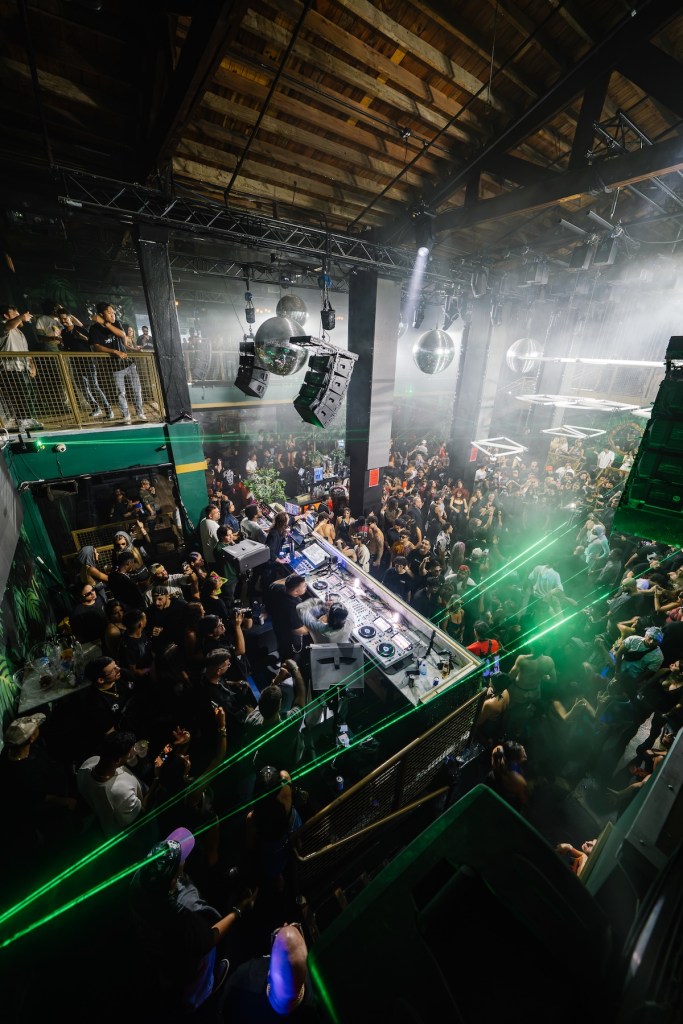
That question was answered earlier last month when the venue reopened after a 16-month renovation. During that hiatus, the space was given the kind of extensive overhaul that’s usually reserved for Miami plastic surgeons, with upgraded decor, lighting rig, LED panels, and more. Studio 60 also boosts two rooms, the Jungle Room and the Egyptian Room, and thanks to a 23-hour liquor license, it can stay open later than any nightclub or lounge in Wynwood or Miami Beach.
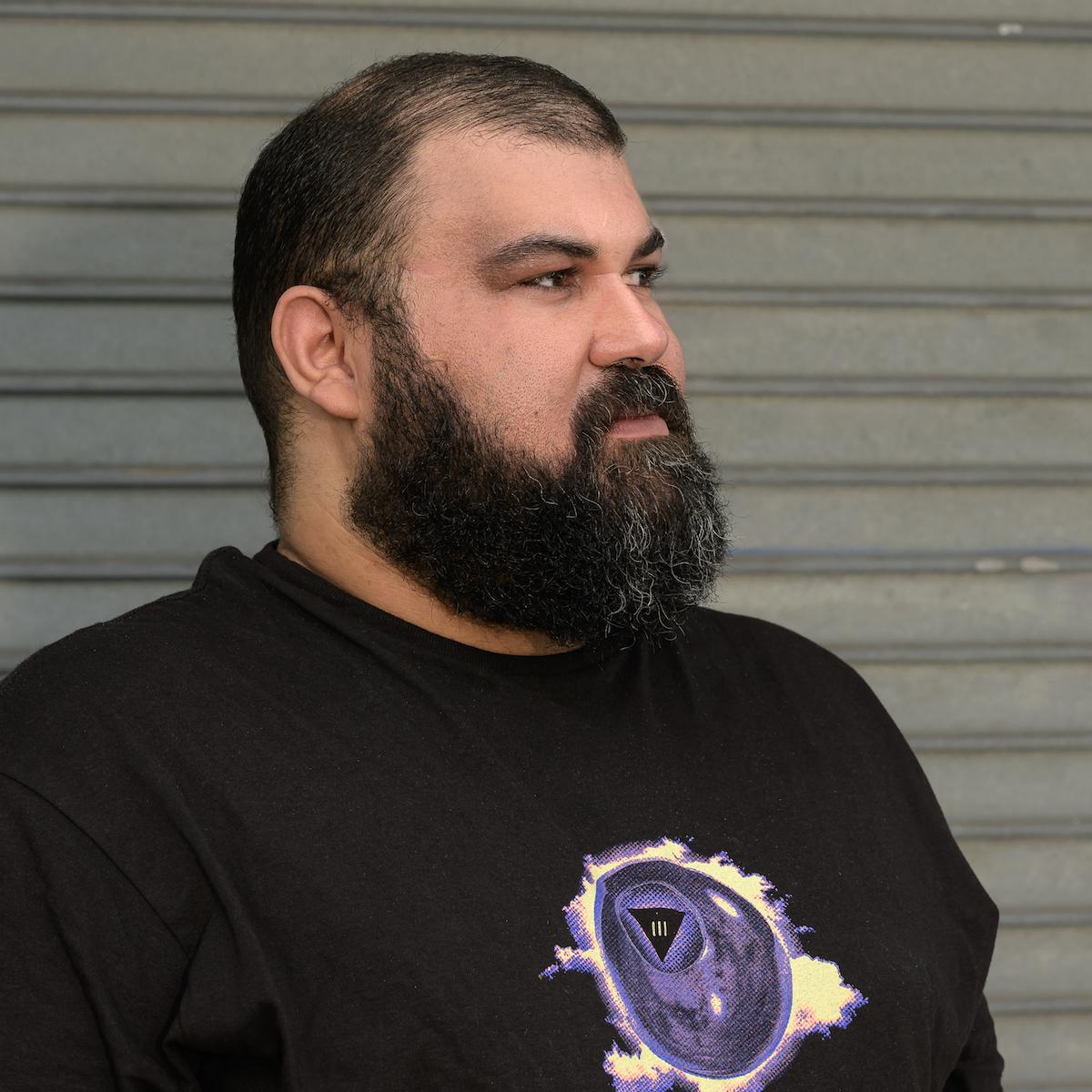
The changes don’t stop at the surface. Studio 60’s ownership is also looking to move away from its Latin-music focus and emerge as a player in Miami’s dance music scene, bringing along Tyler Turnbull, director of talent, and Lucas Gilschenk, director of operations, to helm this next phase.
“It was a natural fit,” Turnbull says of coming on board at the venue. “The relationships we’ve got and our visions aligning, it was pretty much a no-brainer for both of us to come and do this.”
“We feel like we understand what it takes to run a successful nightclub,” Gilschenk adds.
The pair certainly has the credentials to be entrusted with revamping Studio 60’s nightly offerings. Gilschenk runs the downtown Fort Lauderdale hot spot Nowhere Lounge, while Turnbull does artist relations for Daer Nightclub at the Seminole Hard Rock Hotel & Casino in Hollywood. Both have spent years managing venues and artists as well as promoting events and assembling the right teams.
Studio 60 photo
Studio 60’s return also comes at a time when Miami’s nightlife scene is still in flux. From the late 1980s until the early 2010s, South Beach was the place to go if you wanted to party thanks to spots like Mansion, GrooveJet, Liquid, Opium Gardens and Crobar. In the early 2000s, downtown Miami became a player after the City of Miami introduced 24-hour liquor licenses to entice development in the Park West area, leading to the development of Club Space and E11even — as well as long-forgotten venues like Heart, Studio A, Pawn Shop Lounge, and Twilo.
In the early 2010s, Wynwood came calling, first with the opening of the Electric Pickle, then venues like Gramps and Wood Tavern. However, its 3 a.m. last call has prevented it from evolving past lounges and bars.
However, the opening of Factory Town in 2021, located in an industrial zone on the southeastern edge of Hialeah, has really pointed to where the future of Miami’s nightlife is headed. Along with nearby Allapattah, where you’ll find spots like Domicile and Las Rosas, it feels grittier than Wynwood or downtown. It also has fewer nearby residents to contend with.
“We see it as a great feature for Studio 60,” Gilschenk says of the location. “The way Miami nightlife is moving, there’s definitely a big gap where we can fill.”
The venue hopes to set itself apart by offering a kind of experience missing in the area, and while Gilschenk and Turnbull are aware that Miami has no shortage of nightclubs, they hope to do something that feels more intentional.
“We’re trying to create an atmosphere that can blend genres, bass, house, and dubstep, all under one roof and really try to create a new nightlife destination,” Gilschenk explains, adding that Studio 60’s two-room setup allows them to book different acts on the same night. “The rooms have very different identities, so as we book more and more shows, we’re looking to use both rooms.” For now, they are solely focusing on the main Jungle Room until the high season begins in the fall.
For the venue’s soft opening on July 3, the venue hosted Florida-bred house producer Rello, while other nights last month featured a bass double-header with Benda and Vastive and Belgian tech-house producer Nightfunk.
“We’re setting ourselves apart from almost every venue by programming a broad range of acts in the EDM realm, ranging from house to tech to dubstep,” Turnbull says. “Most Miami venues stick to kind of one of these three specific sounds, but at Studio 60 we’re programming the room in a much more diverse way. No matter what type of music you like, whether it is one of those three, you’re going to have an option at the club.”
According to Turnbull, once high-season kicks off, patrons can expect bigger names on the bill. (The venue recently announced Flux Pavilion’s upcoming stint on September 26.)
And as far as the kind of crowd they are looking to bring in, Gilschenk and Turnbull say it’s important to keep the space welcoming to everyone — not just the city’s recent crop of tech bros looking to spend lavishly on a bottle.
Studio 60 photo
“We aren’t looking to service one type of client,” Gilschenk says. “We have VIP tables, but we also have a very large dance floor, so you don’t have to come in thinking if I don’t get a table, I’m not going to have anywhere to dance.” Even if you do get a table, the minimum is much lower than what you’ll find at other venues.
As far as the dress code is concerned, the guys point to Club Space’s lax policy that allows patrons to wear pretty much anything except for strapless shoes for safety reasons.
“You are going to have fun no matter what experience you choose at our venue,” Turnbull adds.
Ultimately, they recognize that Miami nightlife is truly ingrained into the city’s culture.
“Miami has one of the most competitive and different markets in the world, and Miami’s one of the few cities in the world where I think nightlife is truly part of its identity,” Gilschenk shares. “People travel here specifically for the nightlife, the music, the energy, and the diversity of experiences. The city attracts world-class talent pretty much every single weekend, and the audience here is incredibly passionate and knowledgeable throughout many different genres. It also means the standard is extremely high, so you can’t just open your doors and expect people to come back.”
It certainly seems like Gilschenk and Turnball are up for the challenge of turning Studio 60 into a beacon for nightlife. And with another option for bleary-eyed partygoers to seek out, Miami’s all the richer for it.
Studio 60. 2300 NW 36th St., Miami; studio60mia.com.