Abez Media

Audio By Carbonatix
Throughout his nearly 40-year career, Backstreet Boy Howie Dorough has broken records and achieved feats that musicians in today’s stratified market may never match.
He’s one-fifth of the best-selling boy band of all time. In 2000, he flew to six continents (all except Antarctica) in 100 hours to promote his group’s fourth studio album, “Black and Blue,” greeted by swarming hordes of fans at every stop. For the past two years, the group’s “Into the Millennium” show at Las Vegas’ Sphere has been one of the top tickets in town and is credited with boosting the city’s economy during what has otherwise been a slow couple of years for tourism.
But there’s one challenge Dorough has been chasing his whole life with varying levels of success: Learning Spanish.
Born to a Puerto Rican mother, the singer says he grew up in an era when assimilating meant learning English on the mainland and sticking with it. One of five brothers — the Backstreet Boys were the second fivesome in his life — Dorough says his mom was “just trying to make sure we weren’t discriminated [against] or outcast” in their Orlando neighborhood. “We were the only half-Hispanic family on the block,” he remembers.
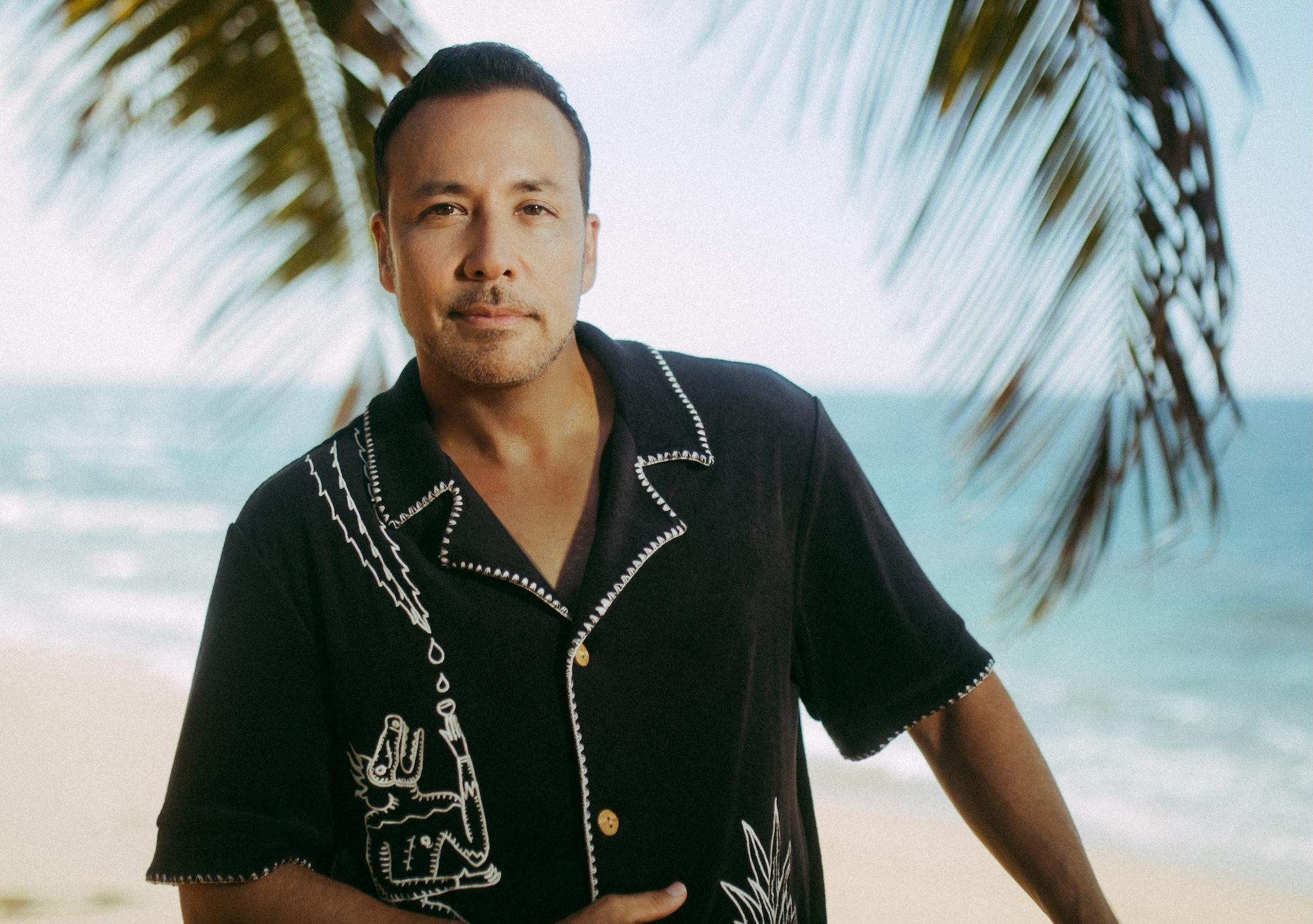
How times have changed. Today, Dorough calls Orlando “Puerto Rico No. 3,” and he’s singing a new track, “Coquí,” entirely in Spanish in tribute to his Boricua roots.
The tropical track, named after the small frog found all over the island and featuring a music video shot in Puerto Rico, has been, in some ways, decades in the making.
As a child, Dorough spent summers in Puerto Rico. In a desperate effort to reconnect with the language his family thought it had to lose, he took Spanish courses in high school and college. “It got to a point where I was dreaming in Spanish. I was able to keep up with the news,” he says.
He took it seriously. One of his professors suggested he move in with a family in Mexico for six months to fully immerse himself in the language. He almost did it.
Then, another project sidetracked his plans.
“Unfortunately for me, the timing wasn’t right, ’cause I’d gotten in this little group called the Backstreet Boys at that time, and they were like, ‘We waited for you to finish two years of college, but we can’t give you another six more months to go away.’ So I had to make a choice at that time.”
Famously, he went with the group. But longtime BSB fans will remember that the boys sang some of their early hits in Spanish (“I’ll Never Break Your Heart” was re-recorded as “Nunca Te Haré Llorar”; “Anywhere for You” was reimagined as “Donde Quieras Yo Iré”). As it turns out, it was Dorough who pushed the group to record in the language he’s been chasing like a specter his whole life.
Edysmar Diaz-Cruz
“Coquí” is a testament to Dorough’s lifelong effort to learn and honor his mom’s native tongue. He says he’s been humbled by the response to the song, but the track has generated its fair share of online discourse, too, with some critics questioning whether it’s a cynical attempt to capitalize on a moment when Latin music is more popular than ever globally. Some have quoted Bad Bunny’s lyric, “Ahora todos quieren ser latinos,” from the rapper’s Puerto Rico ode “El Apagón,” in response to the release.
But in explaining the timing, Dorough cites another unexpected cultural crossover as inspiration:
“Right now I think the boundaries are not as high up as they were,” he says. “Like, we even have Korean pop music being played around the world and stuff like that. So between that and my mother being 92 years old — God bless her — I wanted to do something that could make her proud and also carry on the heritage and tradition with my kids, so they don’t lose it when grandma’s not here anymore.”
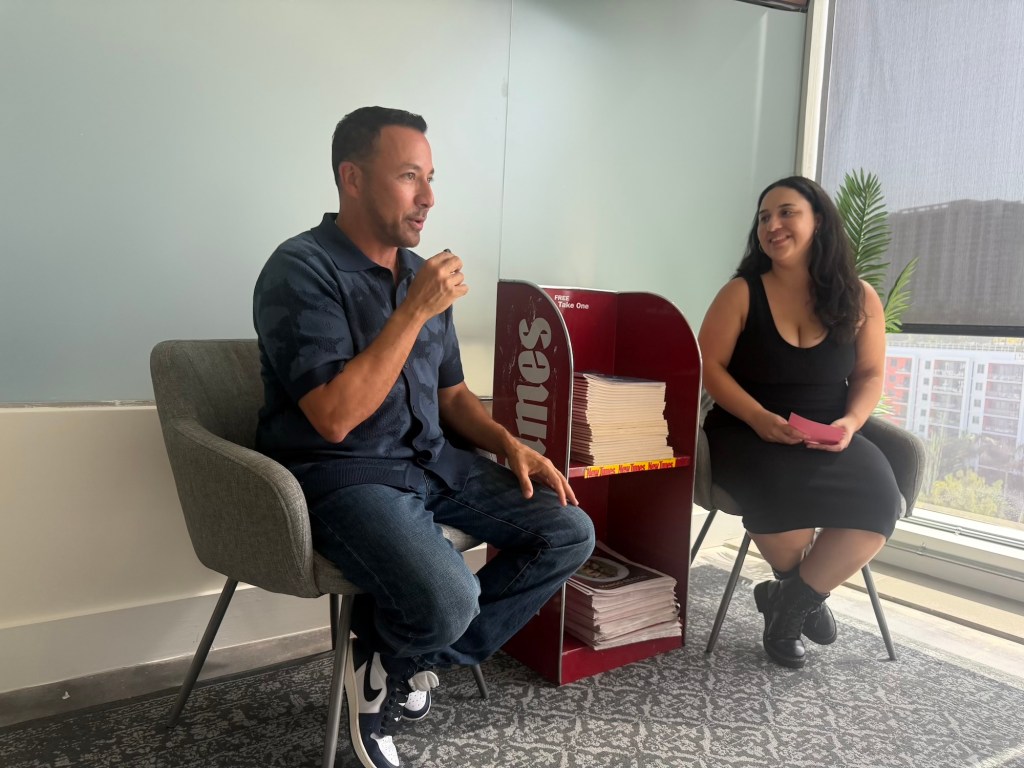
To celebrate the release of the passion project, Dorough has been making the rounds in Miami, even stopping by the New Times office to record a future episode of our podcast “Midweek Cafecito.” He’s also set to perform the song during an exclusive set for SiriusXM and select fans. Then, it’s back to Vegas for the next leg of the Backstreet Boys’ record-breaking Sphere residency. The next batch of shows runs through late August.