
Kush Hospitality photo

Audio By Carbonatix
As rents rise across Miami, one restaurateur is testing a different approach, building workforce housing above his own business.
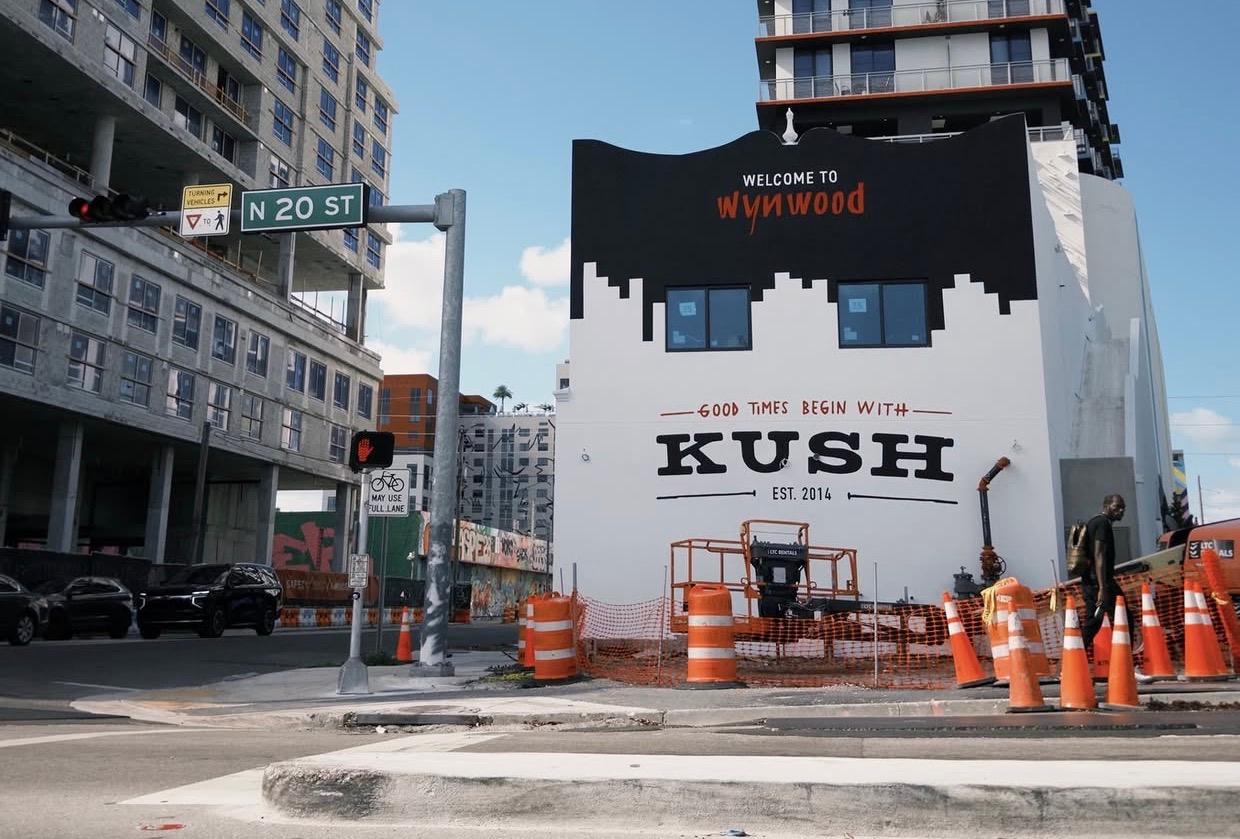
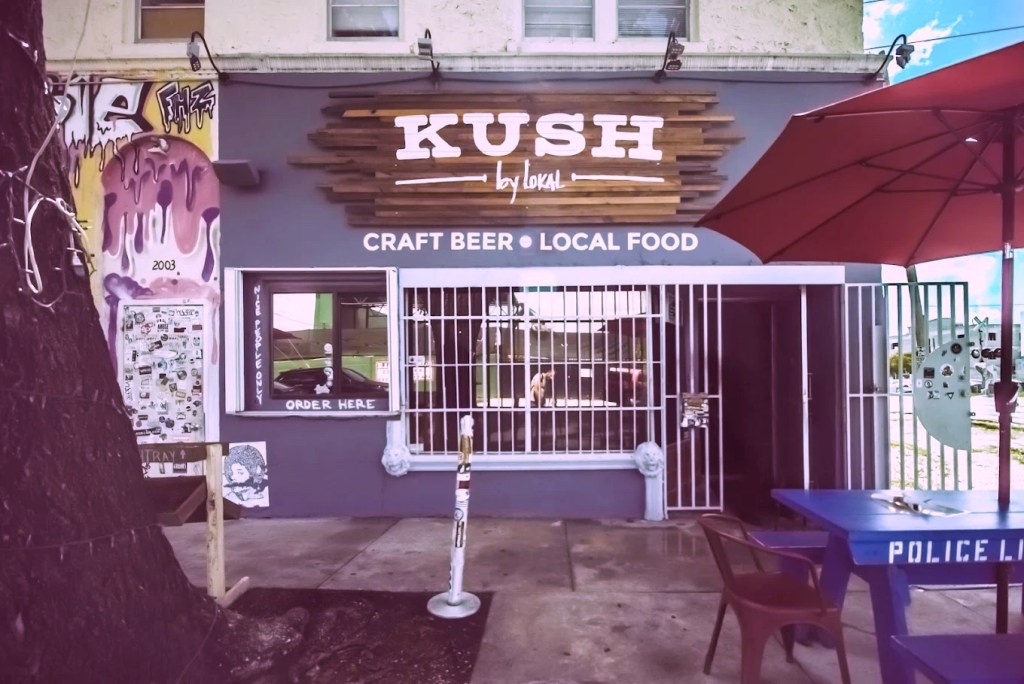
At the edge of Wynwood, where glass towers seemingly rise quicker than murals painted, there’s a narrow, flatiron-shaped building that looks like it has refused to leave. It has outlasted hurricanes, decades of reinvention, and the steady transformation of the neighborhood around it. Not long ago, it was close to being demolished.
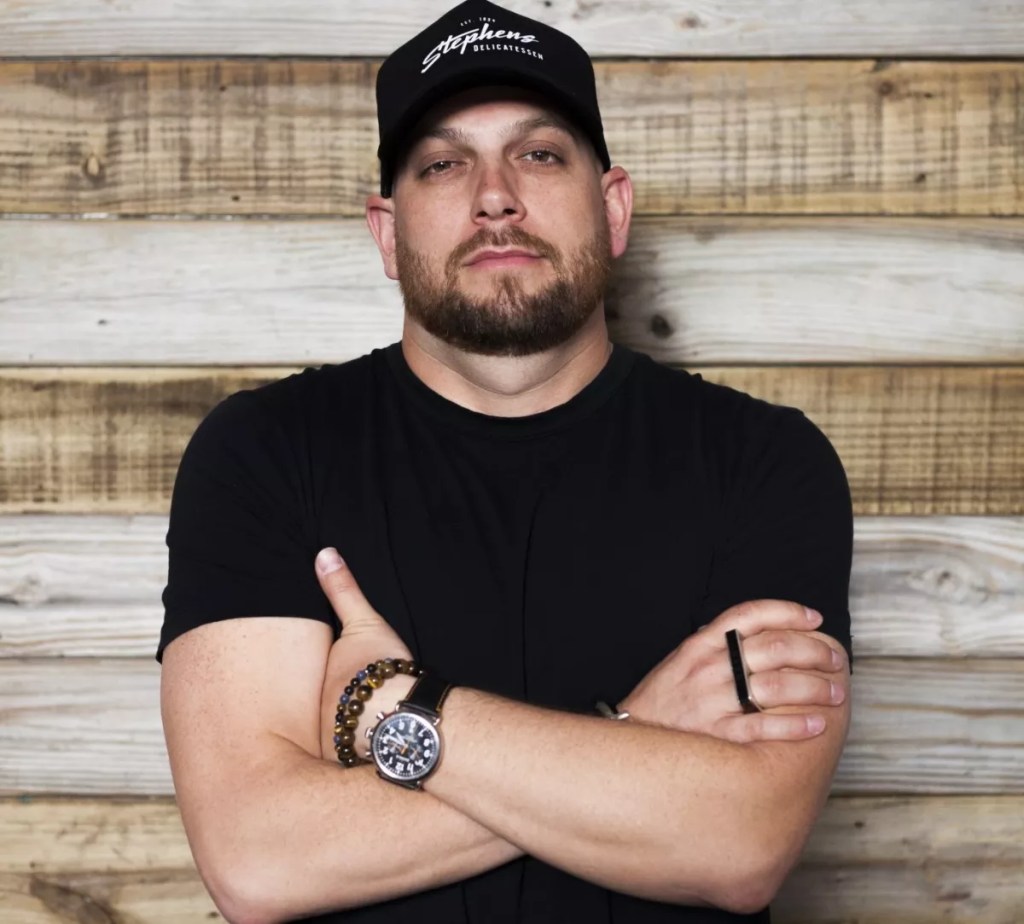
When Matt Kuscher bought the building in 2022, he wasn’t just trying to bring back Kush, his long-running burger spot. He had already watched rising rents force out businesses he built himself. This time, he wanted to hold onto something. What he didn’t expect was that the project would grow into something far beyond a restaurant.
Kush Wynwood photo
From Saving a Restaurant to Solving a Bigger Problem
The idea started with a problem he kept seeing play out in real time. In one instance, a reliable employee without a car was suddenly priced out of her home. Kuscher and his director of operations spent days driving around looking for “For Rent” signs, trying to secure her a place nearby. They eventually did, but the process was exhausting. This stuck with him. The people keeping Miami’s hospitality industry running were being pushed further and further away from it.
It wasn’t an isolated situation.
A few years earlier, Kuscher had started thinking about what a solution might look like. He developed a small four-unit project called Lemon City Villas, filling the space with color and artwork from local artists. The timing ultimately did not work out for his staff to move in, but the idea stayed with him. Housing, he realized, was not just a personal problem inside his business. It was structural.
A New Model for Workforce Housing in Wynwood
Inside that same historic building at the entrance to Wynwood, now, Kuscher is trying something different.
When Kush reopens later this year, it will sit beneath ten micro-units reserved for workforce housing, a project developed in partnership with the Omni Community Redevelopment Agency. Eight of the units will be priced for residents earning 80 percent of the area median income, with the remaining two set at 100 percent, all under a 50-year affordability agreement.
More recently, the project received additional support from the Public Benefit Trust Fund, which helped bring the affordable housing component to completion.
Kush Wynwood photo
Preserving the Past While Building for the Present
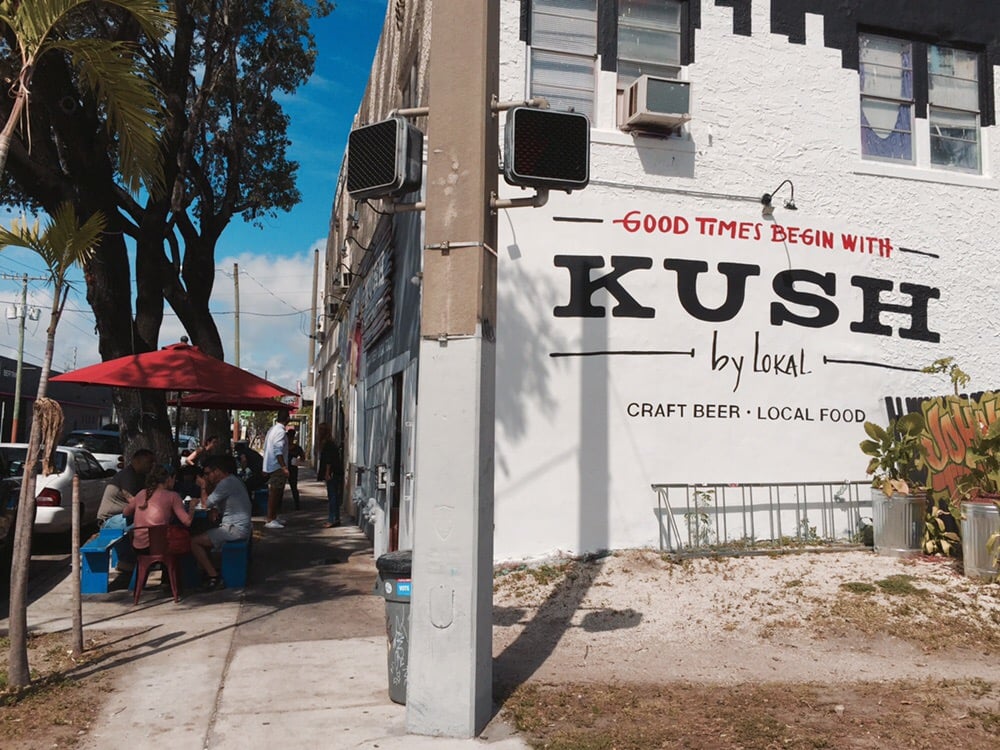
The building itself has lived many lives. Originally constructed in 1926 by attorney Murray Dubbin, it once housed apartments above a neighborhood pharmacy. At one point, it operated as a brothel known as Dolly’s Café. It has even been linked to infamous tenants. Through it all, it remained a fixture at the entrance to Wynwood, long before the neighborhood became what it is today.
For Kuscher, preserving the structure was part of the point.
As new development continues to reshape Wynwood, often prioritizing scale over continuity, projects like this one move in a different direction. Instead of replacing the past, the building has been restored with the intention of serving the present. Upstairs, where apartments once existed, they will exist again.
Housing for the People Who Power Miami
The focus, however, is not just on the building. It is on the people who will live inside it.
“This project is for all hospitality workers, not just my own,” Kuscher said. “Hospitality is the lifeblood of Miami. If the people who service this industry can’t afford to live here, we will lose our city’s primary industry.”
Although the idea is simple, it is rare in practice. Instead of long commutes from distant neighborhoods, residents can walk to work. Instead of spending hours in traffic, they will have more time in their day. The shift is not just financial, but practical.
The project also extends beyond housing. Kuscher is currently looking to fill additional retail spaces in the building with concepts that align with the surrounding community, including a small tattoo shop and a bar operated by a first-time owner. His goal is to provide an opportunity for someone to enter the industry with mentorship and limited upfront capital.
He also plans to partner with organizations such as Pace Center for Girls and the Overtown Youth Center to offer weeklong internships for students interested in careers in hospitality.
Kush Hospitality photo
What Success Looks Like One Year From Now
A year from now, Kuscher says success looks like a fully occupied building filled with hospitality workers who are part of the neighborhood they serve. On their days off, they can stay in it.
Taken together, the effort reflects a broader approach to what development can look like in a city like Miami. Not just building more, but building in a way that keeps the people who sustain the city within it.
Kush itself is expected to reopen later this year, with an expanded concept that includes a full liquor program and a menu drawing from past restaurants.
But for Kuscher, the project upstairs carries a different kind of weight. If it works, he hopes it does not stop here. In a neighborhood where change often feels inevitable, the question is not just what gets built next. It is who gets to stay.
Kush. 2003 N. Miami Ave., Miami; kushhospitality.com. Expected to open late 2026 or early 2027.