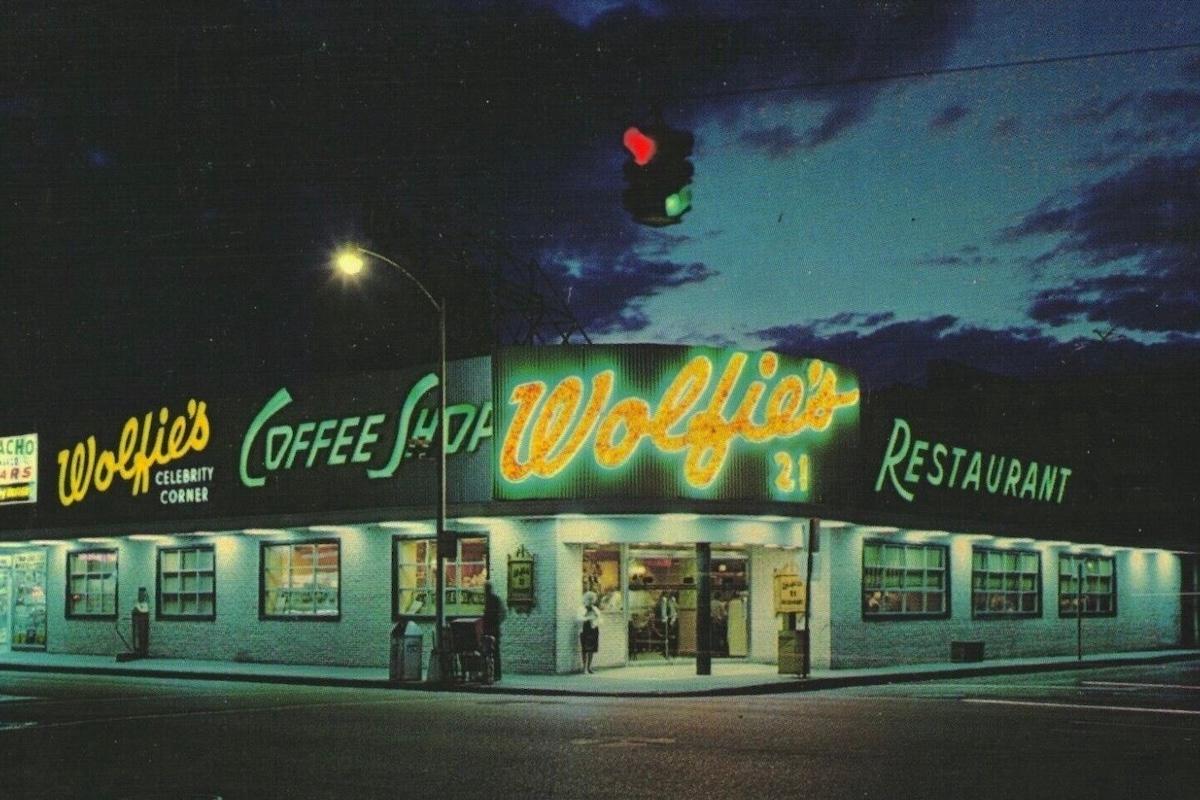
Burger Beast’s 1971 Postcard, Scanned for Miami New Times

Audio By Carbonatix
Ask any lifelong Miamian this one simple question: “If you could bring back one closed Miami restaurant, what would it be?” And the answers will come fast and furious.
Wolfie’s. Rascal House. Taco Viva. Bojangles. Chicken Unlimited. Arthur Treacher’s Fish & Chips. Rudy’s Sirloin Steakburgers. Farrell’s Ice Cream Parlour. Every Miami native has one.
Personally, I’ve always loved this question. However, over the years, I’ve realized the restaurant itself is only part of the story. What keeps pulling me in are the little details hiding in plain sight. The things most people drove past for decades without ever realizing their significance.
Burger Beast for Miami New Times
The buildings that remember
Take Arthur Treacher’s Fish & Chips.
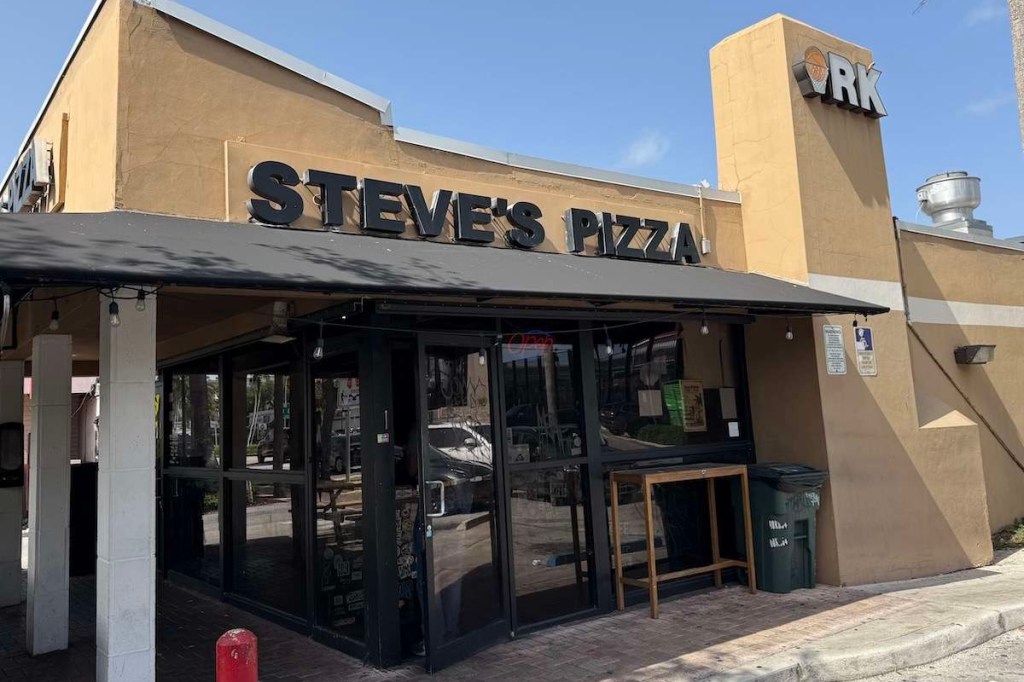
The restaurants disappeared from South Florida years ago, but pieces of them remain. Leo’s Pizza, Steve’s Pizza, and Pierre’s Caribbean Restaurant all occupy former Arthur Treacher’s buildings. Once you notice the distinctive roofline and architecture, you can’t unsee it. Three completely different restaurants are now preserving a tiny piece of Miami’s fast-food history, even if most customers have no idea.
Those are the discoveries that keep me digging. Once you start looking for those clues, you begin seeing old Miami everywhere. You stop looking at buildings for what they are today and start seeing what they used to be.
My dad owned a WISE Potato Chips route that covered part of Miami Springs, so I spent plenty of time riding along with him. Driving east on NW 36th Street toward Le Jeune Road, I wasn’t thinking about restaurant history. I was just a kid riding with my dad while he made his deliveries.
Years later, I realized I had been looking at a row of Miami history the entire time.
The IHOP was once Wag’s. Fritanga Monimbó was Lum’s. Talkin’ Tacos occupies a former Bojangles. All three buildings are still standing, quietly serving a new generation while carrying the bones of the restaurants that came before them.
Most people drive by without a second thought. I can’t help but see both versions at the same time.
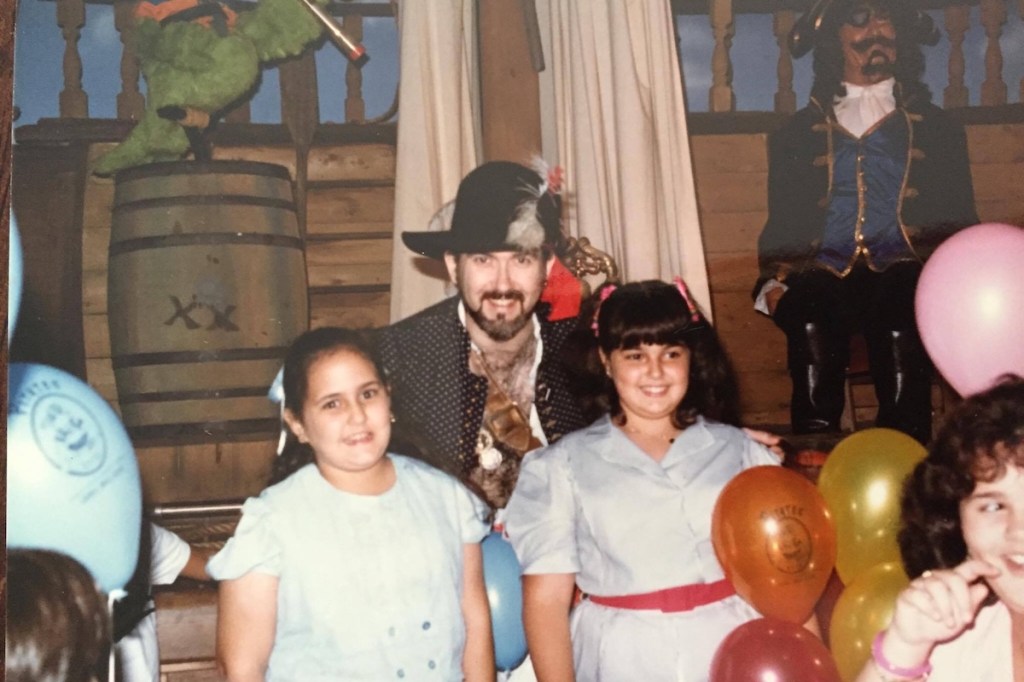
Photo by Marisol Geilin Sosa
Growing up in Miami’s restaurant golden age
Growing up in Westchester after my family moved from New York City in the mid-1970s, I experienced Miami during a period that feels almost impossible to explain today. The city was growing, neighborhoods still had their own personalities, and every weekend seemed to revolve around food.
Restaurants weren’t just destinations. They were part of the adventure.
As kids in the 1980s, we were the first generation raised alongside arcade machines. Suddenly, every pizza place, burger joint, and family restaurant wanted a few games in the corner. Some places went even further.
There were birthday parties at Farrell’s Ice Cream Parlour in Hialeah, where ordering “The Kitchen Sink” wasn’t just dessert; it was an event. Then there were Pirates, Castle Park, Malibu Grand Prix, Mark Twain’s Riverboat Playhouse, and Chuck E. Cheese. They weren’t just places to eat or play. They became part of our childhood memories.
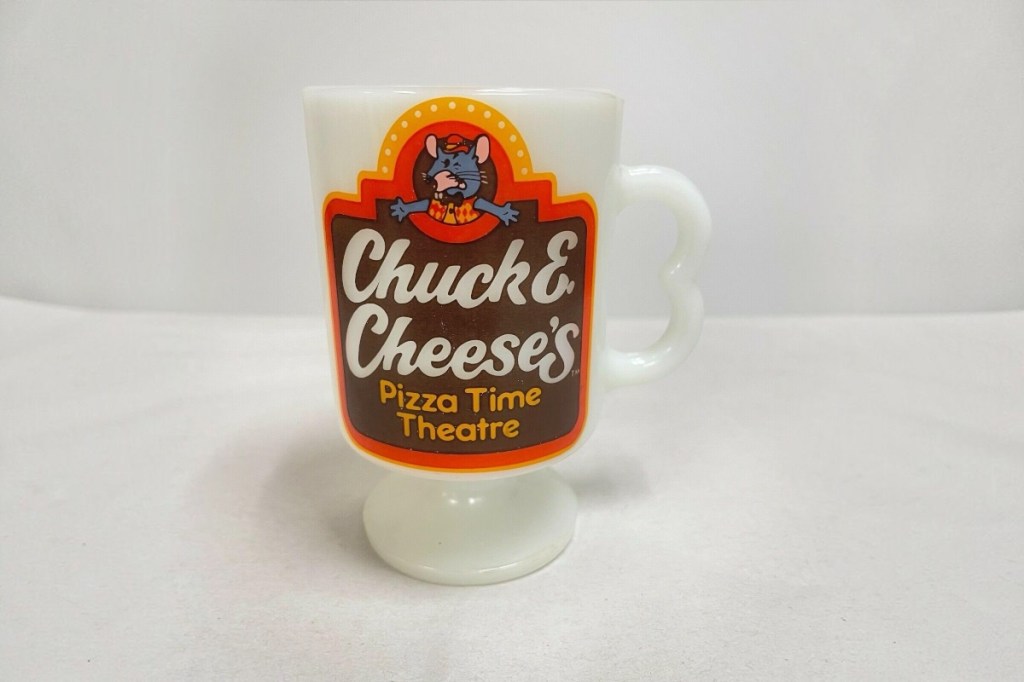
Burger Beast/Burger Museum Collection for Miami New Times
When Chuck E. Cheese had free arcade games
And then there was the original Chuck E. Cheese in Hialeah.
Due to a dispute over Hialeah’s arcade laws, the restaurant couldn’t legally operate its arcade as intended. The city already had an arcade in Palm Springs Mile, and local rules allowed only one arcade per shopping center. Chuck E. Cheese had built a brand-new restaurant in the old Richard’s department store, but when the city rejected an ordinance that would have allowed it to open its arcade, the games ended up on Free Play instead.
Imagine being an elementary school kid and walking into Chuck E. Cheese to discover every game was free. It felt like winning the lottery every time my parents took me there.
Those are the stories that rarely make the history books.
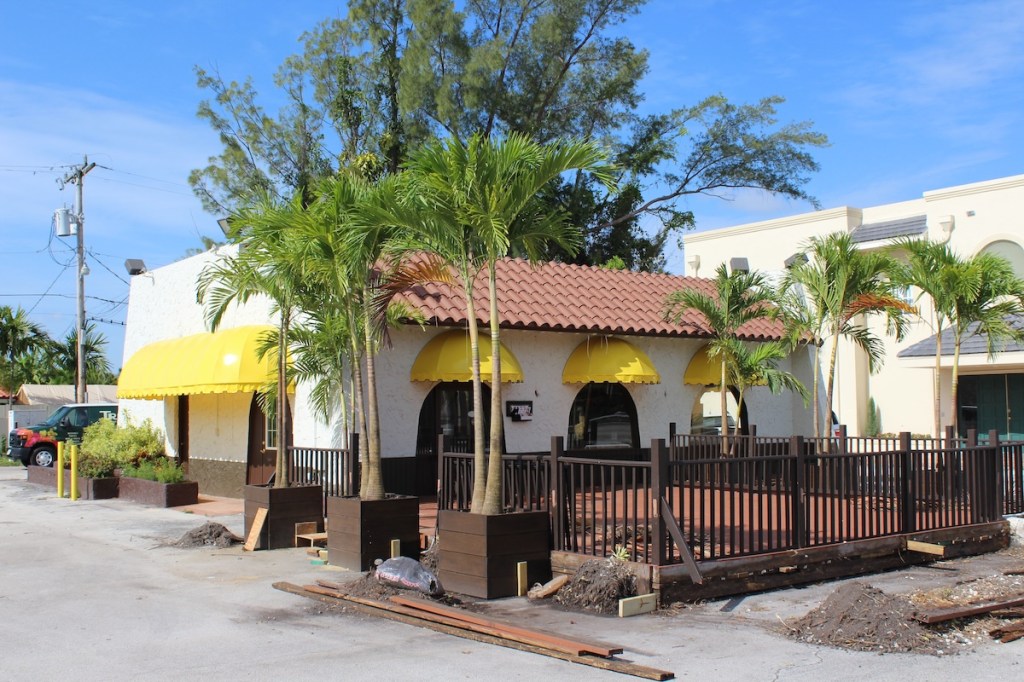
Photo by Phillip Pessar
The chains Miami lost along the way
Miami’s restaurant scene was different back then.
Chains that once seemed permanent have almost vanished from memory. Bojangles had multiple locations around town. Chicken Unlimited developed a loyal following. Taco Viva gave South Floridians another version of fast-food Mexican before most people had ever heard of Chipotle. Today, their memories are shared by Gen Xers and the generation before us.
Then there was Rudy’s Sirloin Steakburgers. Most people remember the burgers, but I remember the people behind them. Rudy’s founder, Douglas Rudolph, wasn’t just another local restaurateur. In 1977, he brought Wendy’s to the Miami market before launching Rudy’s Sirloin Steakburgers. Years later, he would become CEO of the company behind Tap 42.
Another familiar name got his start alongside Rudolph. Andy Howard worked with him at both Wendy’s and Rudy’s before eventually becoming the owner of the Huey Magoo’s chicken tender chain.
That’s what I love about Miami’s restaurant history. A place may close, but its influence doesn’t disappear. It carries on through the people, the ideas, and the businesses that follow.
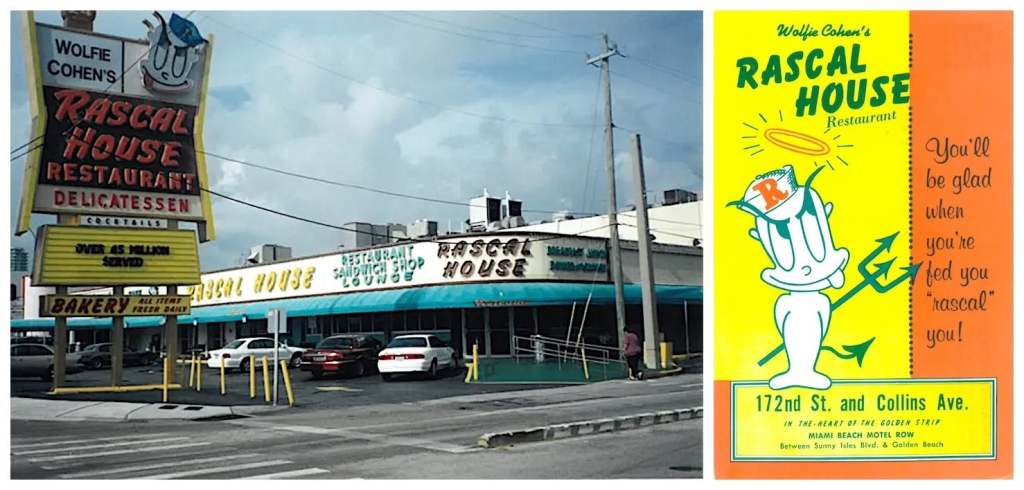
Wolfie Cohen’s Rascal House
The Jewish delis that defined Miami Beach
The 1980s also represented something else. They were the final great chapter of Miami’s legendary Jewish deli scene.
I was fortunate enough to eat at places like Wolfie’s, Wolfie Cohen’s Rascal House, and Pumpernik’s while visiting relatives staying on Miami Beach. This was before Miami Vice transformed the world’s perception of the city, when Miami Beach was known more for retirees, “blue hairs,” early bird specials, and neighborhood delicatessens than for celebrities and velvet ropes.
The portions were enormous, the pickles and coleslaw arrived before you even ordered, and every table seemed to have a basket of rye bread within arm’s reach. These weren’t just restaurants. They were gathering places where families lingered over breakfast, argued over the check, and settled into an afternoon’s worth of deep conversation.
Within a few years, that entire world began to disappear. One by one, the great Jewish delis that had helped define Miami Beach closed their doors, taking with them a style of dining that’s difficult to recreate today.

Photo by Paul W., Yelp Elite
The ice cream shops that never really left
Ice cream had its own landmarks too. Carvel stores seemed to be everywhere, but Dairy Queen left behind something just as memorable: its buildings.
The original walk-up Dairy Queen building still survives in Hialeah as Charlie’s Ice Cream, where you can still grab some of the best soft serve in South Florida. It represents an earlier generation of Dairy Queen architecture.
A later version of the design still stands on Bird Road, where the old Dairy Queen is now Bird Road Car Accessories. Another can be found on South Dixie Highway near Dadeland, where Say Tea & Smile occupies a former Dairy Queen. Once you know what you’re looking at, they’re impossible to miss.
The ice cream is gone, but the buildings continue telling the story.
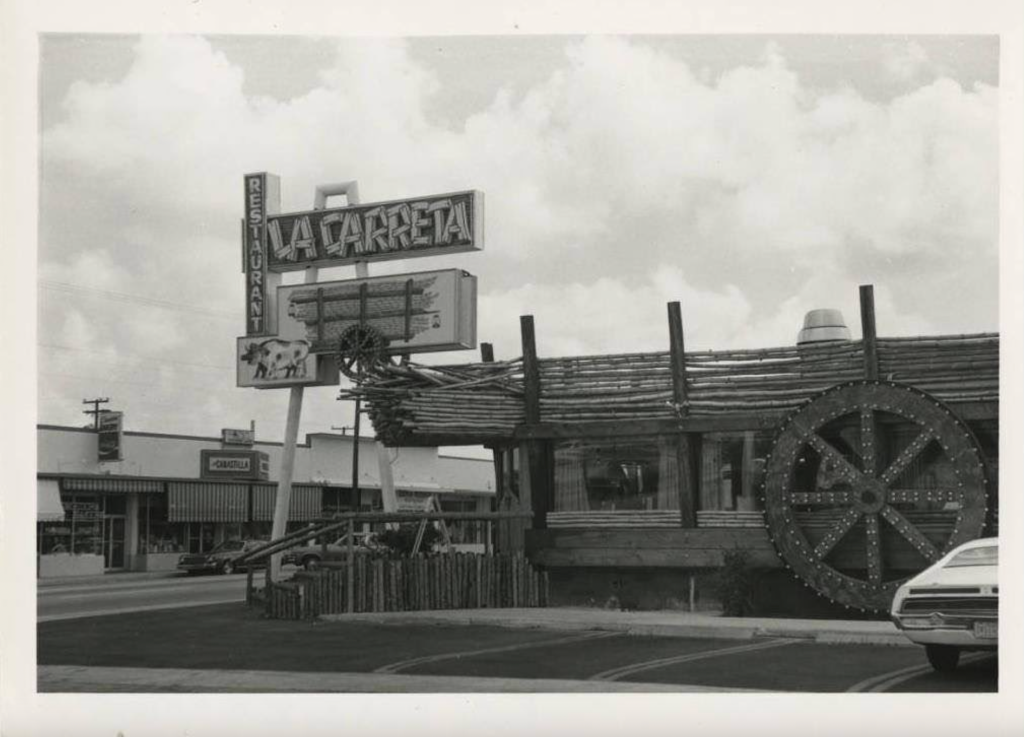
La Carreta photo
Westchester’s restaurant legacy
Westchester was becoming its own food destination while I was growing up.
Restaurants like La Carreta, Casa Paco, Lila’s, and Rio Cristal would eventually become neighborhood institutions. It wasn’t until years later, after talking with members of the Acosta family, that I learned Pepe Acosta had founded both Lila’s and Rio Cristal.
Most people don’t realize Lila’s has eventually changed hands. The Navarro family purchased the restaurant from Acosta and built on its reputation, eventually transforming the Lila’s name into what many South Floridians know today as Lila’s Desserts. Even though the restaurant is gone, the brand still lives on in refrigerated cases in supermarkets throughout Miami.
Those are the kinds of connections that fascinate me. One restaurant closes, another family carries the name forward, and a piece of Miami’s culinary history survives in a completely different form.
Burger Beast for Miami New Times
Why these stories still matter
I’ve spent years researching Miami’s restaurant history through newspaper archives, old advertisements, business records, interviews, and my own memories. Every story leads to another one. Every closed restaurant connects to someone still cooking, another building still standing, or another family still telling stories around the dinner table. That’s why I still chase these stories.
Recently, I asked a group of friends a simple question: “If you could bring back one closed Miami restaurant, what would it be?”
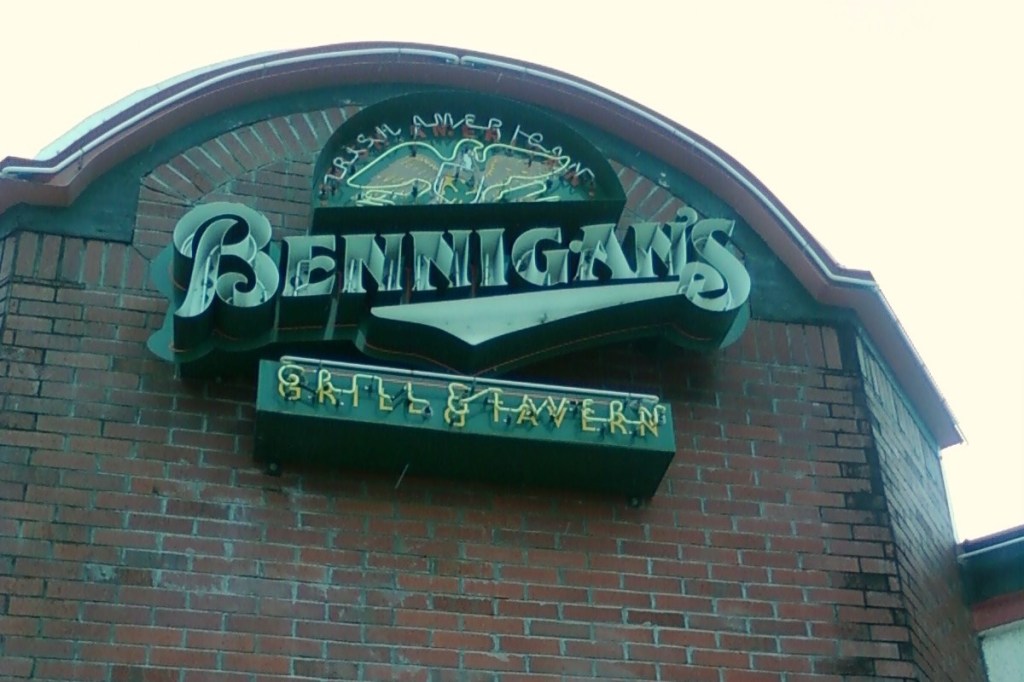
The answers came fast, and no two lists were exactly alike. Bennigan’s. Cisco’s Cafe. Cozzoli’s. El Cid. Herbie’s Pizza. Sizzler. Tony Roma’s. Villa Italia. Victoria Station. Wag’s. And those were just the first few that came to mind. I could go on and on. That’s the thing about old Miami restaurants. Everyone has one.
Sometimes it was the place where your parents took you after Little League. Sometimes it was where you celebrated birthdays, went on your first date, or grabbed dinner after a long day. The food may have brought us through the door, but the memories stayed with us.
The restaurants may be gone, but every time we tell these stories, point out an old building, or remember the people behind the counter, we’re preserving another piece of Miami that deserves to be remembered.
So I’ll ask you the same question: If you could bring back one closed Miami restaurant, what would it be? Because there’s a good chance I’m already chasing its story.