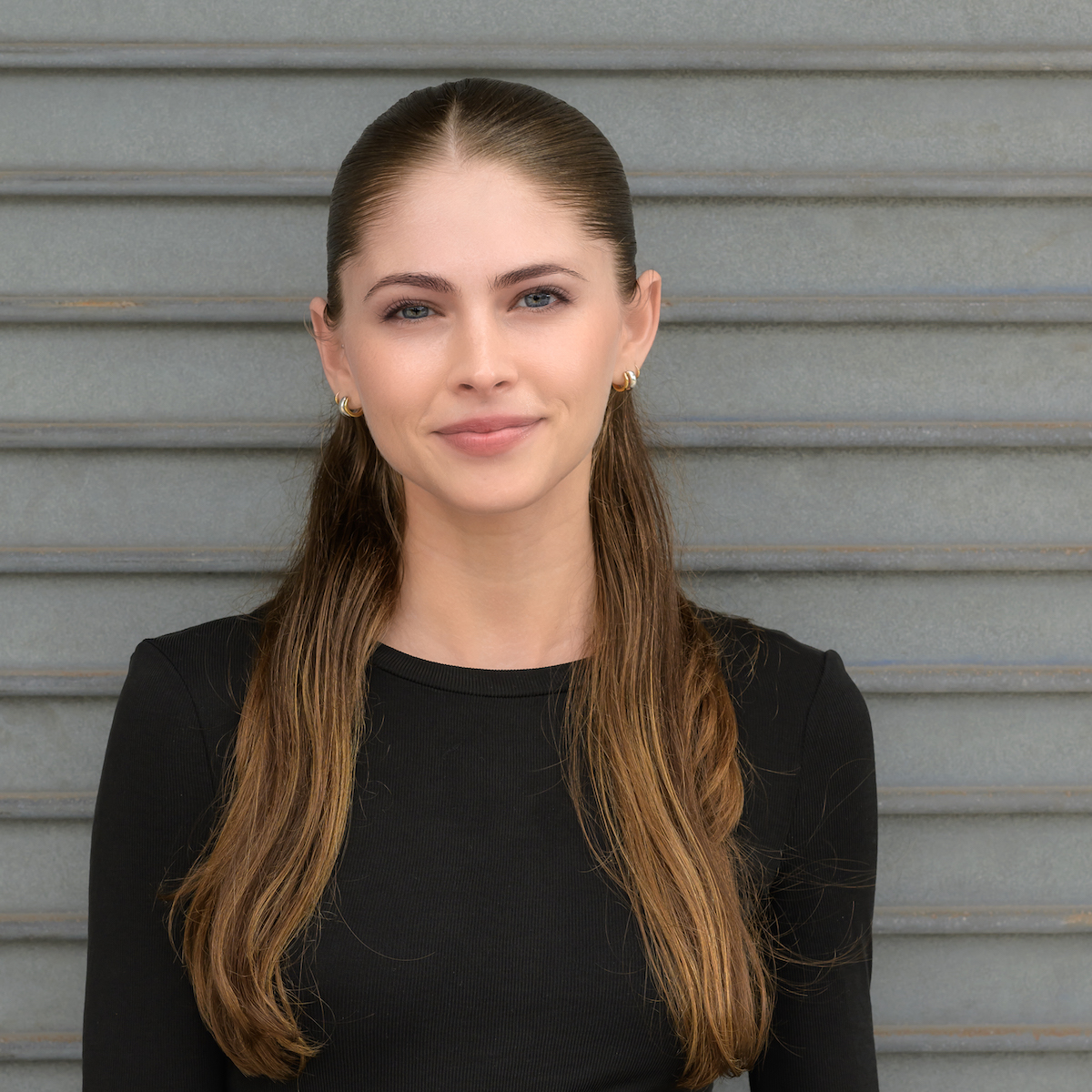
Svitlana Shepitsena photo

Audio By Carbonatix
A Ukrainian man in immigration detention in South Florida has been denied his prescribed psychiatric medication for several months, despite repeatedly reporting suicidal thoughts to staff at the facilities, according to his wife and attorneys.
Andriy Shepitsen, a 46-year-old from Kyiv, Ukraine, was taken into U.S. Immigration and Customs Enforcement (ICE) custody in December 2025, with officials saying his student visa had long since expired. He spent several weeks at the infamous Alligator Alcatraz detention facility in the middle of the Everglades, then several more weeks at Glades County Detention Center near Lake Okeechobee, before winding up at Krome Detention Center, a facility in west Miami that has been the subject of troubling allegations of detainee abuse since its opening in the early 1980s. The Trump administration is trying to deport him to war-torn Ukraine.
But while Shepitsen is prescribed daily medication for bipolar disorder and major depressive disorder, detention staff have repeatedly denied him those drugs and other critical treatment for more than four months, causing his mental health to rapidly deteriorate, according to his attorneys and his wife, Svitlana Shepitsena.
They say Shepitsen has reported suicidal thoughts to staff multiple times and, in February, began a hunger strike that lasted about 60 days and resulted in his hospitalization. While he’s no longer on a hunger strike, they say he’s still struggling to eat and has lost more than 60 pounds.
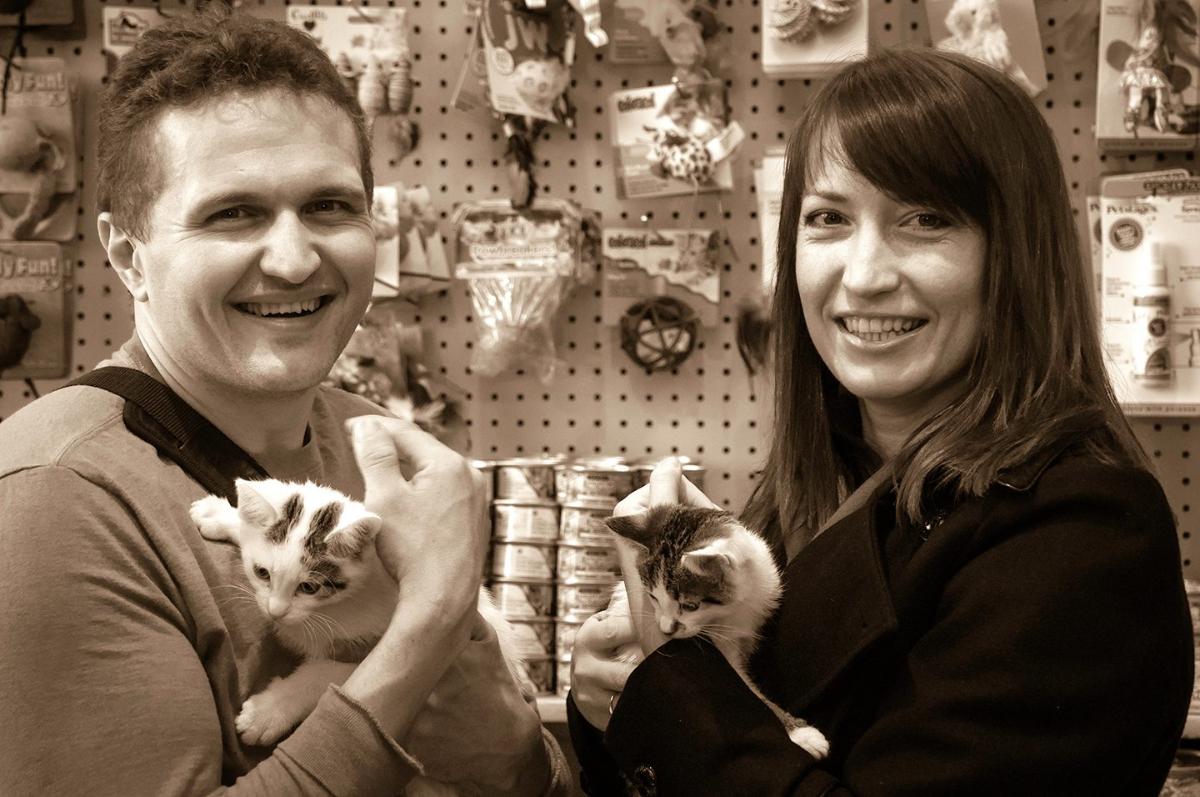
Svitlana Shepitsena photo
“He’s in his own world right now because he hasn’t received his medicine for such a long time,” Shepitsena, who is also from Kyiv, tells New Times. “He’s in terrible condition.”
As his condition reportedly worsens, Shepitsen’s attorneys say they are doing everything they can to get him released from custody and prevent his deportation.
“We are really worried about what would happen if he went back to the Ukraine,” one of his attorneys, Katie Blankenship, tells New Times. “So we’re just going to keep fighting in every way we can.”
Blankenship says that while Shepitsen was “flat out denied” his medication at Alligator Alcatraz and Glades County Detention Center, the staff at Krome are now telling him they won’t give him the drugs until he eats.
“He now wants to eat. He is desperate to eat,” Blankenship says. “His body is just shut down. He’s like, ‘Katie, I just cannot make myself. I can’t force it. I cannot eat. I can’t keep it down.'”
In an emailed statement to New Times, a U.S. Department of Homeland Security (DHS) spokesperson said Shepitsen’s student visa expired in 2011 and that he has remained in the U.S. illegally since. The agency disputed claims it denied medical care, adding that Shepitsen had been convicted of grand theft auto and disorderly conduct, although a review of court records shows a judge withheld adjudication.
“ICE NEVER denied this criminal illegal alien proper medical care. Shepitsen has REFUSED his medications during his time in detention,” the statement reads. “It is a longstanding practice to provide comprehensive medical care from the moment an alien enters ICE custody. This includes medical, dental, and mental health services as available, and access to medical appointments and 24-hour emergency care.”
It continues: “For many illegal aliens this is the best healthcare they have received their entire lives.”
In 2009, when he was 29, Shepitsen arrived in the United States from Kyiv on a student visa, his wife says. He studied computer science at DePaul University in Chicago, Illinois, where he published scientific articles on complex topics like machine learning and natural language processing; his wife described him as “disciplined” and “diligent.”
“He was brilliant,” Shepitsena says.
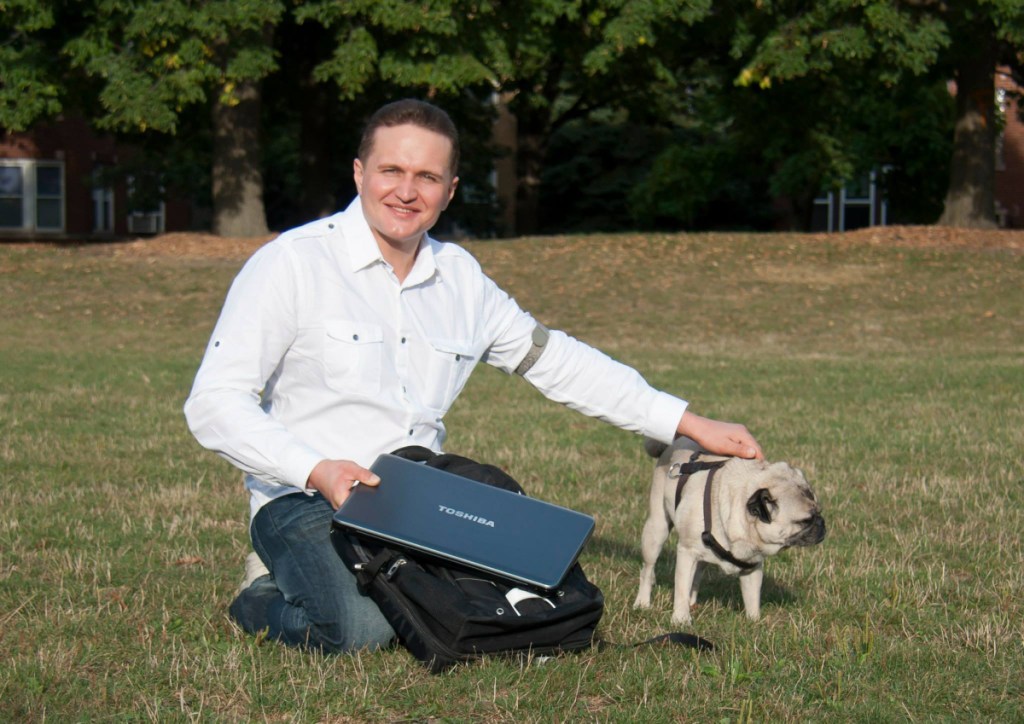
Svitlana Shepitsena photo
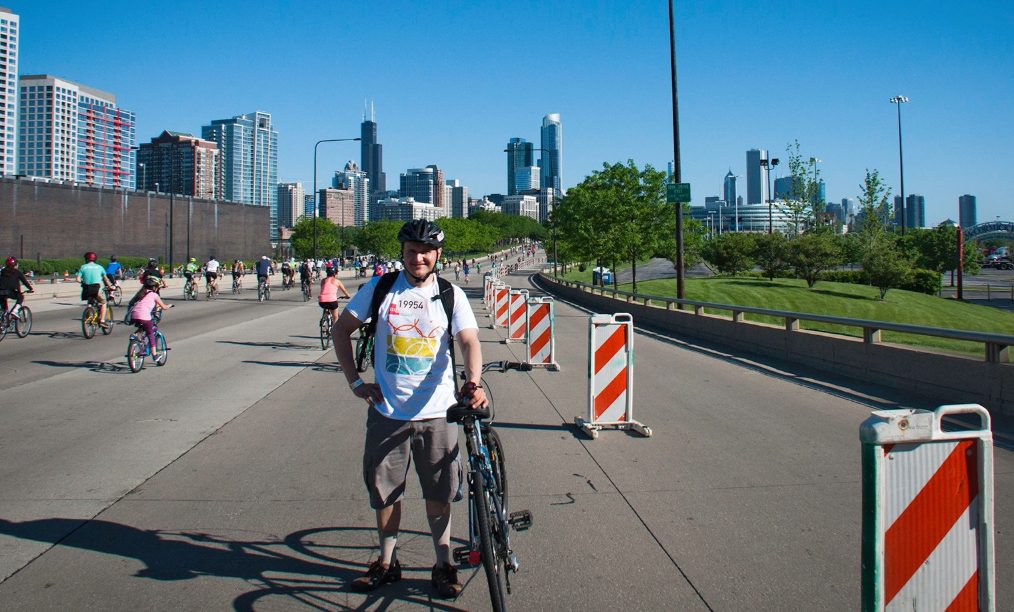
But he was also obsessive when it came to work and his hobbies, she says, which included biking, chess, and swimming. She described his daily routine as that of a “soldier,” in which he would study, swim, go to the gym, and complete chores before repeating the same pattern the following day.
“In Ukraine, it was considered normal for workaholic men to work for like 16 hours per day,” she says. “And he was obsessed with such work.”
While the couple married in 2009, this was also around the time that Shepitsen’s mental health began to decline, Shepitsena says. His mental health issues led to two arrests on theft charges; one case was dropped, and in the other, the judge withheld adjudication.
Shepitsen began suffering panic attacks and having manic episodes, which his wife says continued until 2021, when they packed up their lives in Chicago and moved to Venice, Florida, a charming coastal city near Sarasota. Shepitsena says her husband had visited Florida before and felt less depressed there.
When the war in Ukraine broke out in early 2022, she says Shepitsen stopped sleeping and was constantly stressed. He began feeling paranoid about the idea that the U.S. was going to war with China; at one point, he began knocking on neighbors’ doors to “warn them” that war was imminent.
In March 2022, weeks after Russia invaded Ukraine, the Biden administration announced that Ukrainians who arrived in the U.S. on or before March 1, 2022 were eligible to apply for Temporary Protected Status (TPS), which would allow them to legally live and work in the U.S. for the next 18 months.
But while both Shepitsen and his wife applied for TPS, he failed to secure it, which Shepitsena attributes to his declining mental health. She says her husband was in “severe depression” and failed to provide documents on time to an immigration judge.
“His case for temporary protection status was considered abandoned, and he was denied, and I was granted,” Shepitsena says. “So I am on temporary protection status right now, and he is not.”
In July 2022, Shepitsen was arrested by the Sarasota County Sheriff’s Office on a misdemeanor petit theft charge after allegedly taking about $180 worth of hemp products from a local CBD shop that had been set out as samples, according to an arrest report. The case was later dropped in 2024.
By 2025, Shepitsen’s mental health had significantly worsened.
Svitlana Shepitsena photo
His wife recalls hallucinations, severe mood swings, and paranoid behavior, including calling the police on her during disputes over his access to their car keys, and threatening suicide. On March 5, 2025, after a judge denied her petition to have him involuntarily committed under the Baker Act, Shepitsen briefly agreed to a virtual psychiatric appointment and was prescribed medication.
Minutes after the appointment, she says, he left their home and took a neighbor’s car, which he appeared to mistake for his own. He drove to a liquor store in North Port, where, according to police, he stole a bottle of moonshine and candy bars before pouring the alcohol over his head. Officers found him covered in the liquid and in a disoriented state. He was arrested on a felony charge of grand theft and misdemeanor charges of disturbing the peace and petit theft.
“It’s not the behavior of my Andriy,” Shepitsena says. “It’s not Andriy Shepitsen. It’s like a completely different personality.”
In July 2025, after Shepitsen pleaded no contest to the charges, a judge withheld adjudication and placed him on probation for 18 months. During a scheduled check-in that December, his wife says, he was taken into ICE custody.
She says the idea of ICE taking someone like her husband, who was following all the rules of probation, into custody is “completely senseless and unreasonable.” She questions why federal authorities have denied him bond and prevented him from returning home to get the help he needs while awaiting answers on his immigration case.
“He is not a felon. He is not a flight risk. He is not able to go on a plane and fly somewhere,” she says. “We have nowhere to run, nowhere, literally.”
In January, Blankenship and Shepitsen’s other attorneys filed a request with the federal government to grant him humanitarian parole, which allows non-citizens to remain in the U.S. for “urgent humanitarian reasons or significant public benefit.” The request was denied in mid-April, Blankenship says.
In a letter to Shepitsen’s attorneys, DHS officials said that they “thoroughly reviewed” Shepitsen’s case and found “no urgent humanitarian reasons or significant public benefit,” Blankenship says.
Their next steps, she says, will be filing an asylum case on Shepitsen’s behalf.
“It’s just like, what can we possibly do? Let’s throw all the spaghetti against the wall and see if we can help him,” Blankenship says. “It’s infuriating because it’s a desperate situation, and there’s nobody to reach out to for help in this government.”