Bicyclist’s Death on Venetian Causeway Leads to Fight for Safety Upgrades
“The tragedy is not only that Flavia died. The tragedy is that her death did not result in any action.”
Prepare for the once-in-a-decade transit headaches promised by Super Bowl LIV.
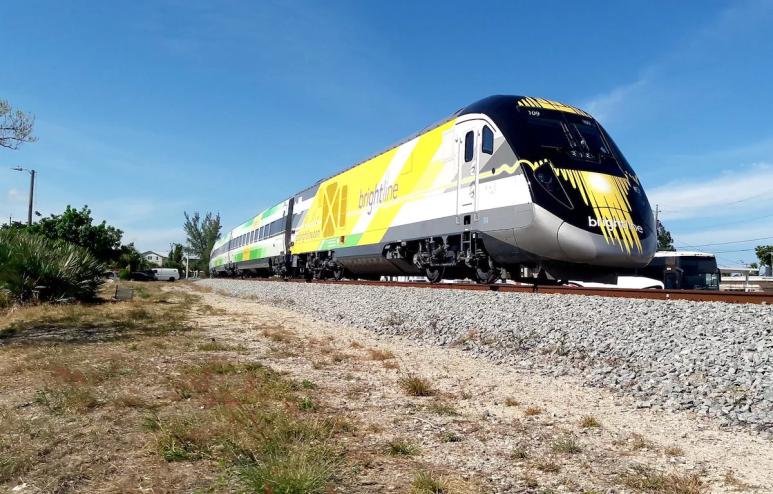
Brightline has killed people at a constant and startling clip.
Miamians have their own version of the DMV handbook. Between the speeding, hit-and-runs, honking, and lack of turn signals, driving in Miami-Dade County should come with a warning sign.
On any given day behind the wheel in Miami, someone will send a text while doing 85 on I-95, run a traffic light a solid eight seconds after it turns red, cut across four lanes of a highway to make an exit, or slow to single-digit speeds to make a right turn without using their blinker. Just choose your fighter.
It’s not enough that cyclists in Miami must contend with hostile, aggressive drivers and roadways that are dangerous by design. Apparently, now cyclists have to dodge bullets too.
Today is the last Friday in July, which means one of two things: You’re a committed Masshole prepping for tonight’s meandering ride through town, or you’re dreading getting stuck for a half-hour on the Venetian Causeway because a parade of hooting Critical Mass bicyclists is streaming across the road.
In Miami, a city where almost 77 percent of people speak a language other than English at home, the language barrier between rideshare drivers and passengers can be pretty real — so real, in fact, that one bilingual Miamian wrote an open letter asking Uber to implement a language option.
As part of a six-month pilot program pitched by Commissioner Ken Russell, six startups will be allowed to deploy their scooters in Miami. The companies — including Bird, Spin, Lime, and Bolt — will start with 50 each, meaning literally hundreds of scooters could appear overnight.
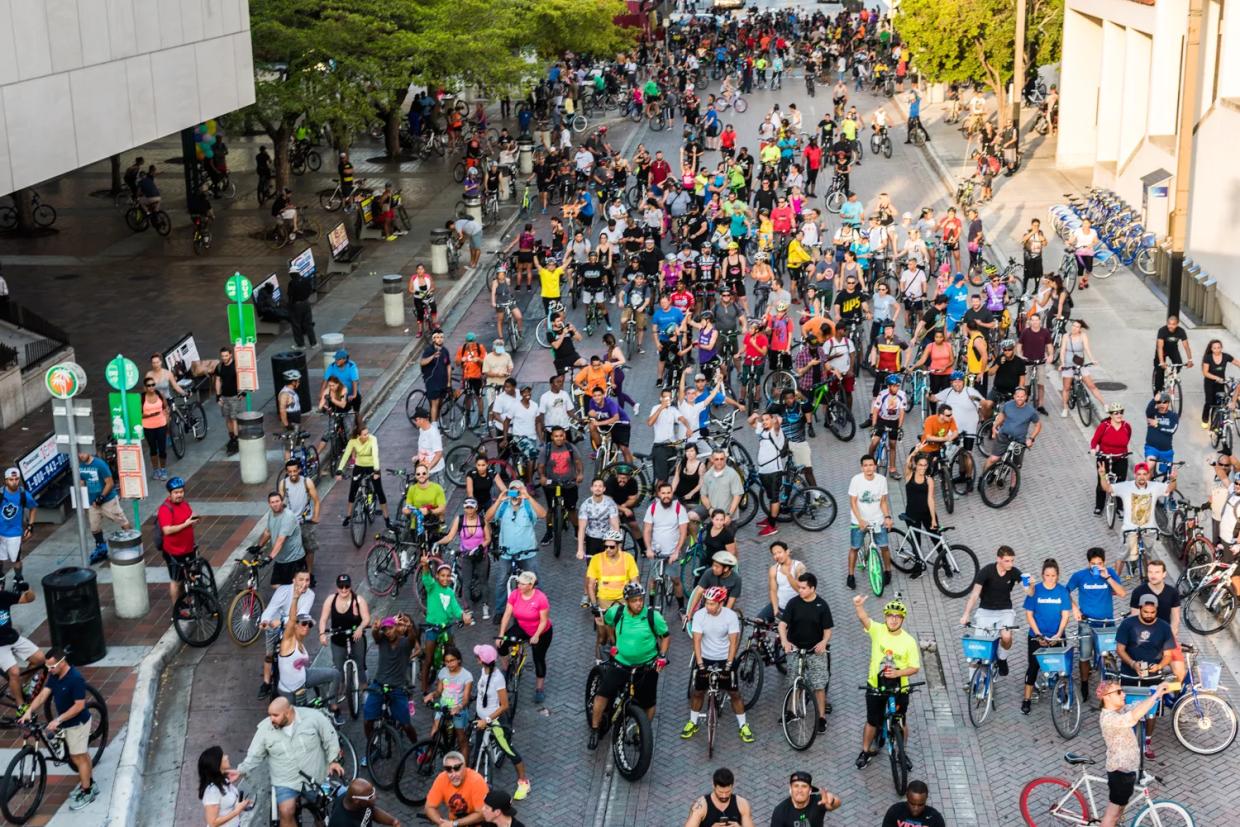
If you thought the thousands of people trying to get to Ultra would be your only traffic headache this weekend, prepare for some bad news. Today isn’t just the first day the music festival tests its plan for transporting hordes of EDM lovers to Virginia Key. It’s also the last Friday of the month, which means cyclists with Critical Mass will take over local roads for several hours.
If you were on South Beach this past Monday afternoon, you might have noticed a yellow Corvette driving erratically down Fifth Street, darting onto a sidewalk near Flamingo Park, and then crashing into a fire hydrant near Fourth Street and Lenox Avenue — all while being chased by Miami Beach Police.
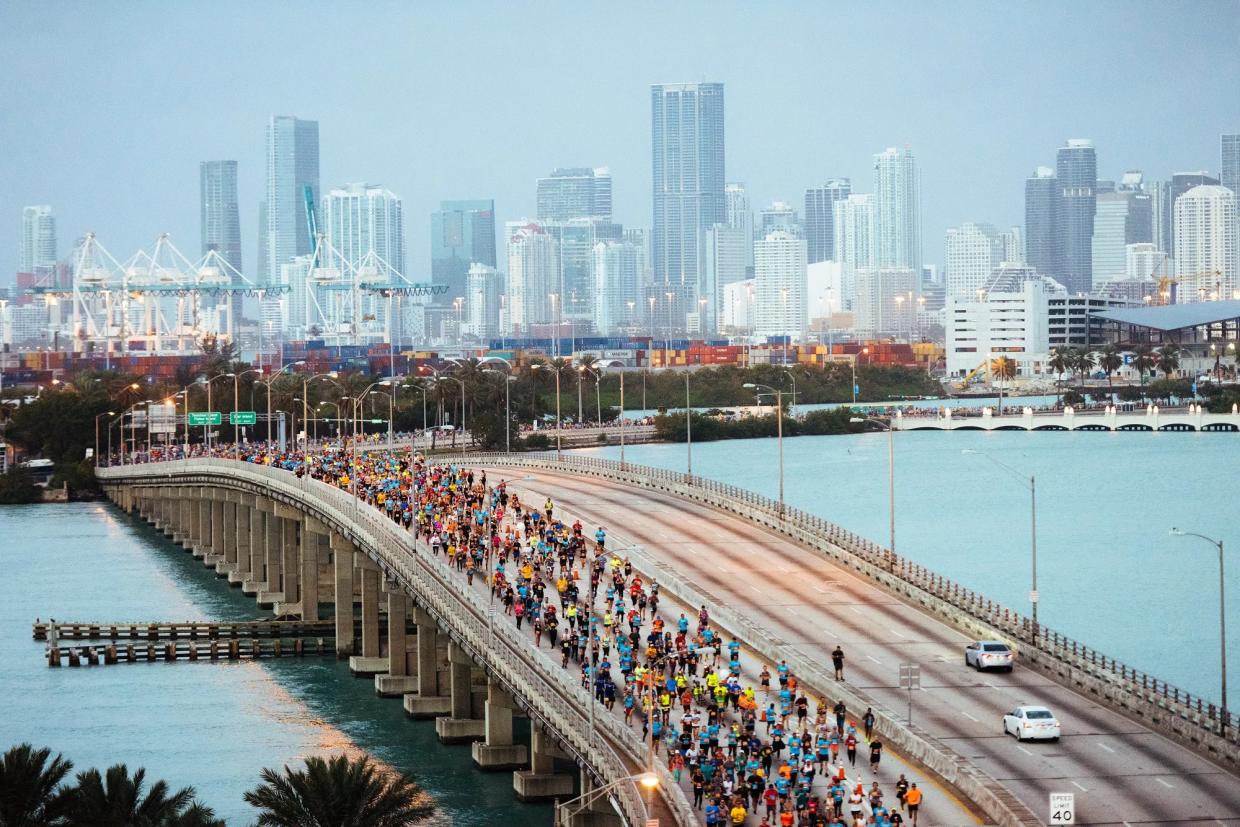
At the end of July, the Florida Department of Transportation closed two westbound lanes on the MacArthur Causeway, kicking off a two-year, $12.9 million rehabilitation project on one of the two main links between Miami and Miami Beach. The repairs must take place, FDOT says, because the causeway is dangerously corroded, in large part as a result of years of salt spray from Jet Skis blasting the structure.
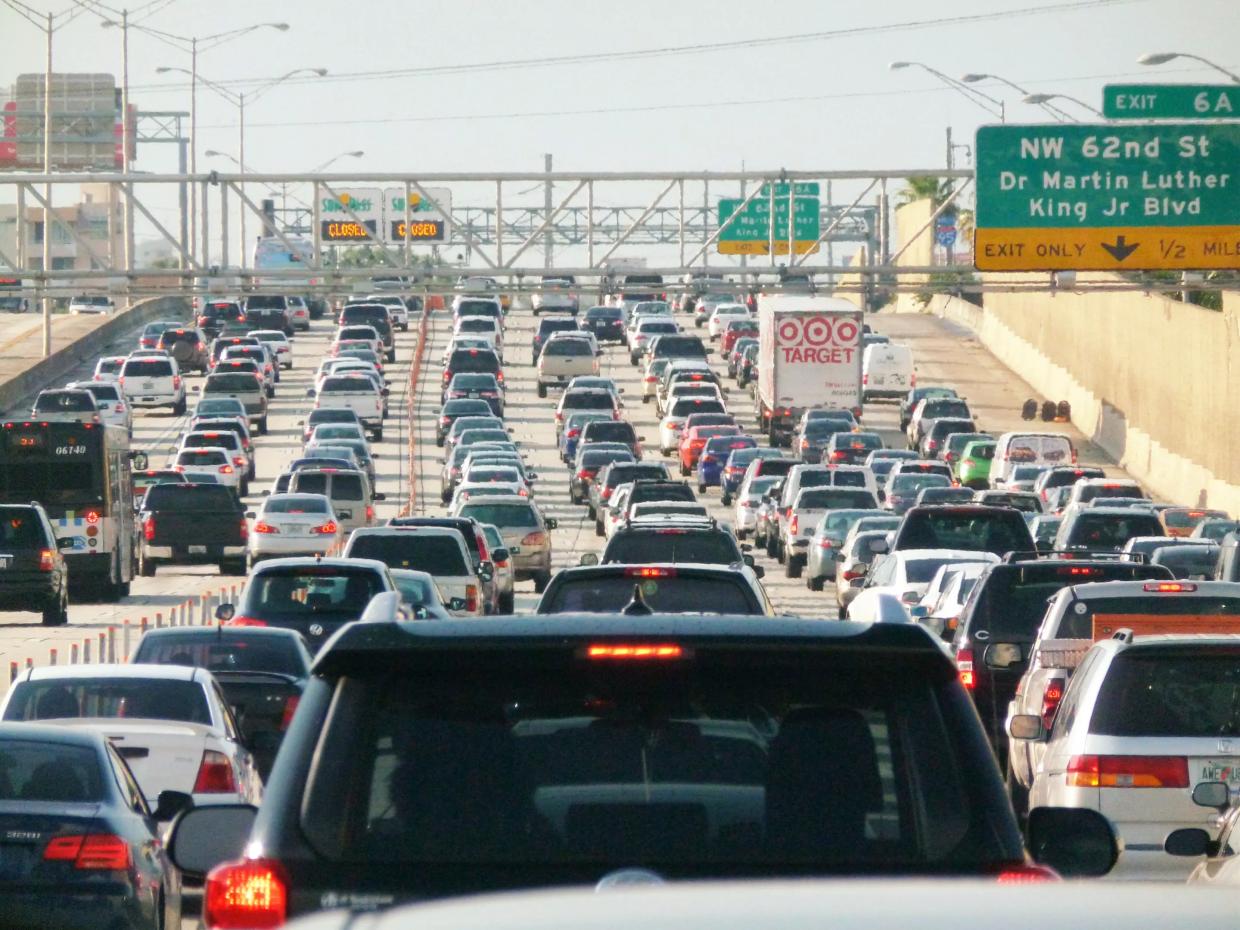
We’ve all been there: It’s 8 a.m. Monday morning, and you’re sitting in standstill traffic on I-95 or the Turnpike or the Dolphin Expressway, wishing you were still asleep. Some jagweed cuts you off at the exit ramp, you hit every red light thereafter, and you get to work at least ten minutes late.
The MacArthur Causeway is dangerously corroded, the Florida Department of Transportation says, in large part from years of salt spray from Jet Skis blasting beneath one of the two main links between downtown Miami and South Beach. FDOT’s solution, though, is already leaving Miami Beach politicians and residents fuming.
For years, swarms of local cyclists have been taking over city streets the last Friday of every month in a massive — and notoriously traffic-snarling — celebration of bike culture. Today they have another reason to ride: in honor of cyclists lost to distracted driving, especially Patrick Wanninkhof, a Key Biscayne native killed in 2015 while on a cross-country trip.
For years, anyone who hopped onto Miami’s Metromover paid a quarter per ride. But in 2002, voters approved a half-penny sales tax that made Metromover free. Ridership soared to 9 million annually in the early 2000s and then peaked again with a surge of new development downtown in recent years.
Last year, seemingly overnight, hundreds of brightly colored bicycles from companies like Lime and Ofo began popping up everywhere in Miami. Or, as Miami-Dade County Commissioner Javier Souto puts it, the bikes began “descending upon neighborhoods,” like some kind of two-wheeled invasive species. He and other county officials are fed up…
One of the (only) fun parts of driving in the traffic hellscape of South Florida is that you never know what you might see: a woman twerking on the roof of a car, a truck towing a flaming boat, or a man sprawled on his stomach on the hood of a Benz blazing in an express lane.
What could you do with 64 extra hours of time this year? You could marathon every Star Wars movie ever produced three times in a row. You could road-trip from Miami to San Francisco with 20 extra hours to nap along the way. Hell, you could ride your bike all the way to Atlanta if you’re into that kind of thing.
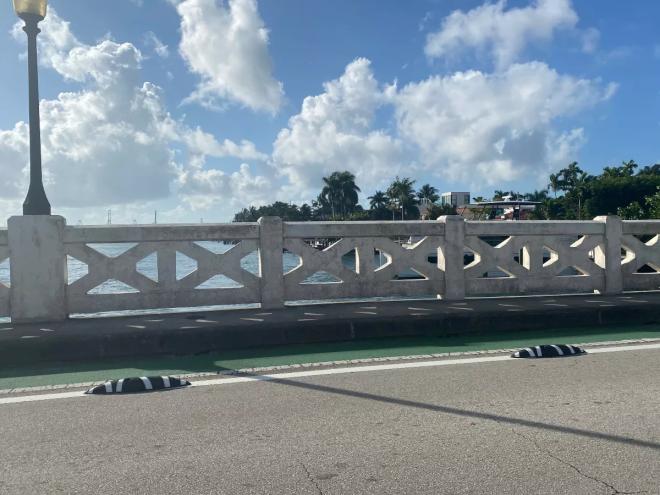
Hopping on a bike in Miami takes guts. Even for experienced cyclists, navigating aggressive drivers and oblivious pedestrians is a skill in and of itself. Picking a safe path is essential, which is why the Venetian Causeway has become one of Miami’s most used bike routes. And the Venetian just got an upgrade making it even more bicycle-friendly.
This past Tuesday, when volunteers were preparing to open for their normal 6-to-9 p.m. shift, they discovered thieves had been broken into the collective’s modified shipping container. Someone had hauled away three new bikes, expensive tools, and a generator the nonprofit group uses to keep the lights on. The total value was $4,000. It is the fourth time the bicycle collective has been targeted since it moved to Omni Park last February, according to Ruben van Hooidonk, the group’s vice president.
Last year, Miami Beach began working on a new dock at Purdy Avenue and tested an expanded water taxi service that took riders to downtown Miami and the Miami Beach Marina. Commissioners hoped offering more transportation options on water might help ease persistently maddening traffic problems on land.