
Storm That Flooded Puerto Rico Is Still a South Florida Threat This Week
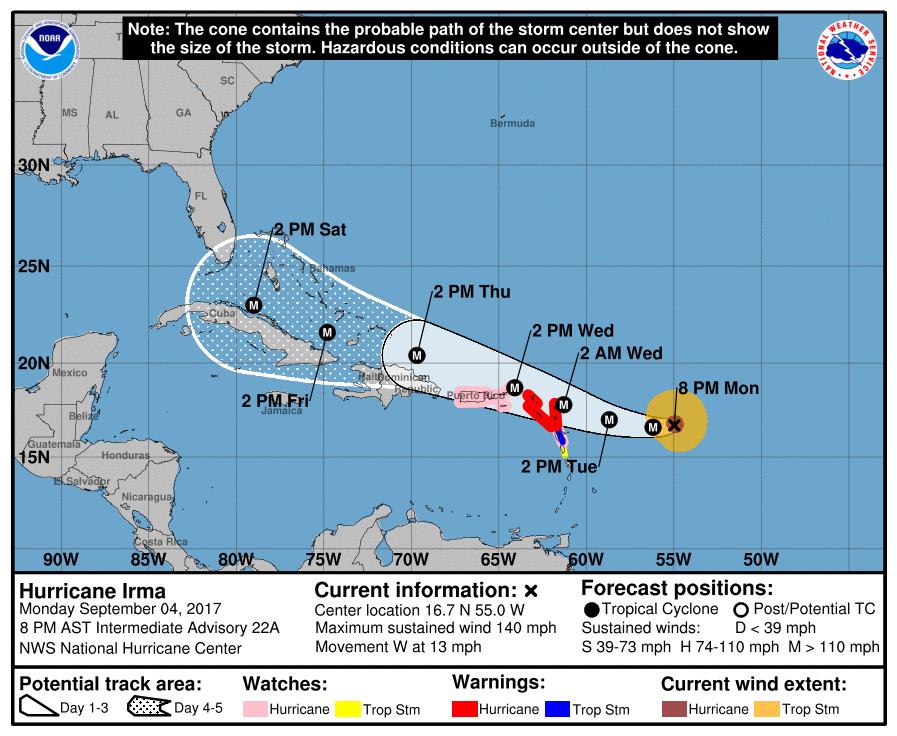
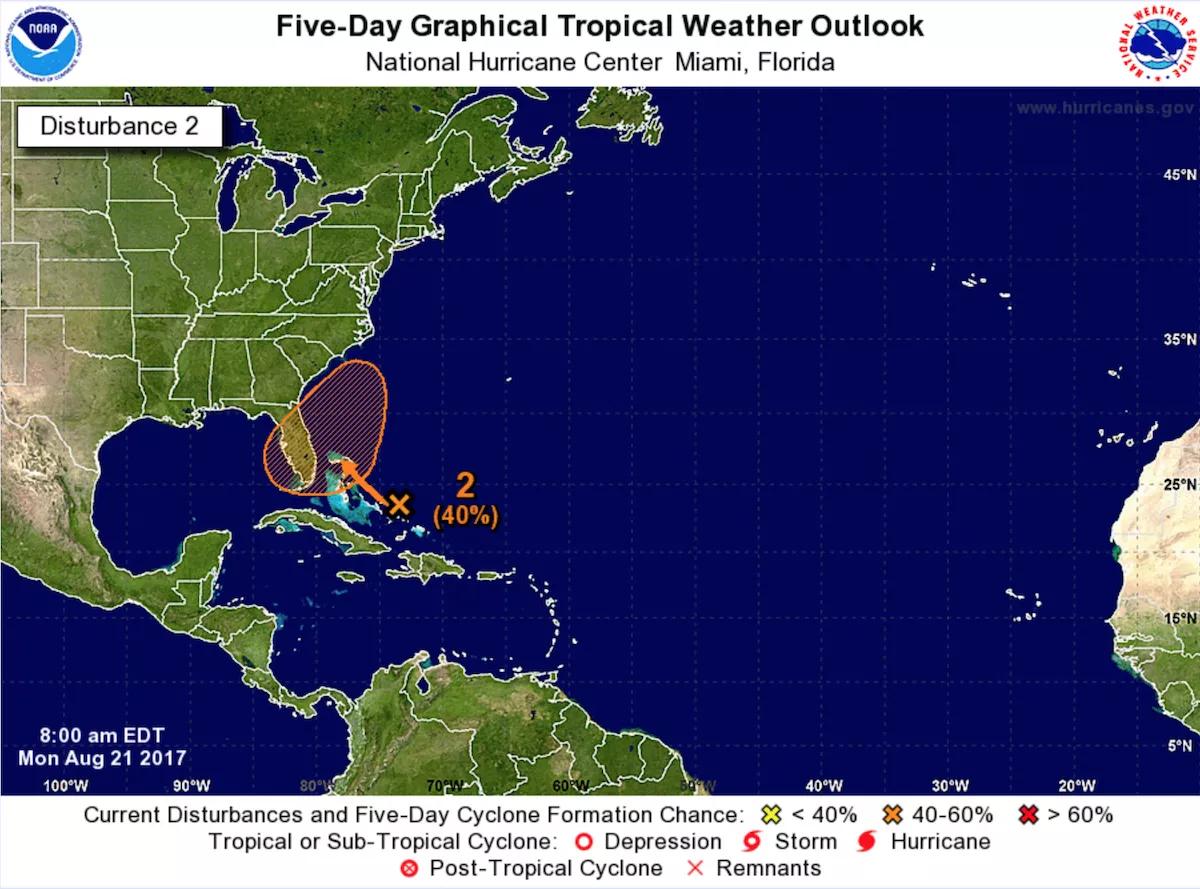
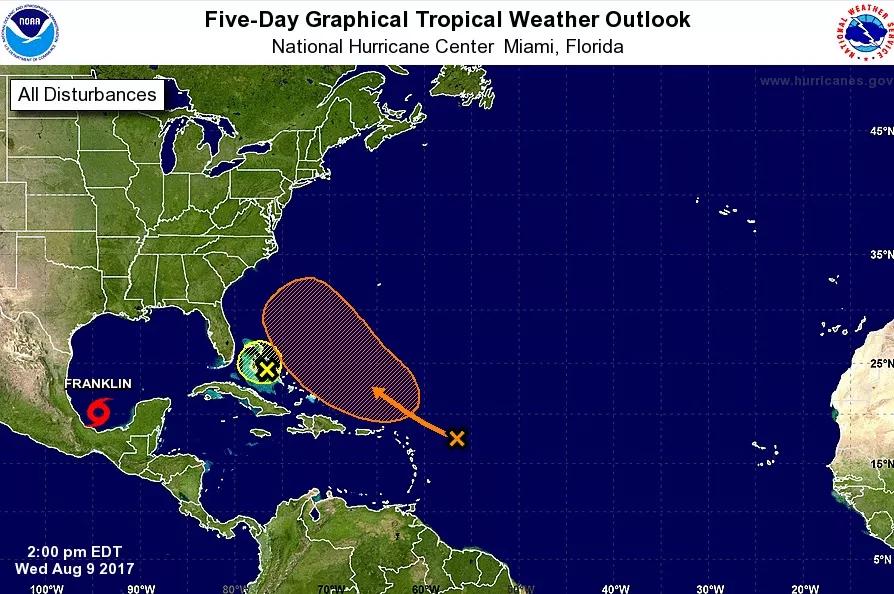
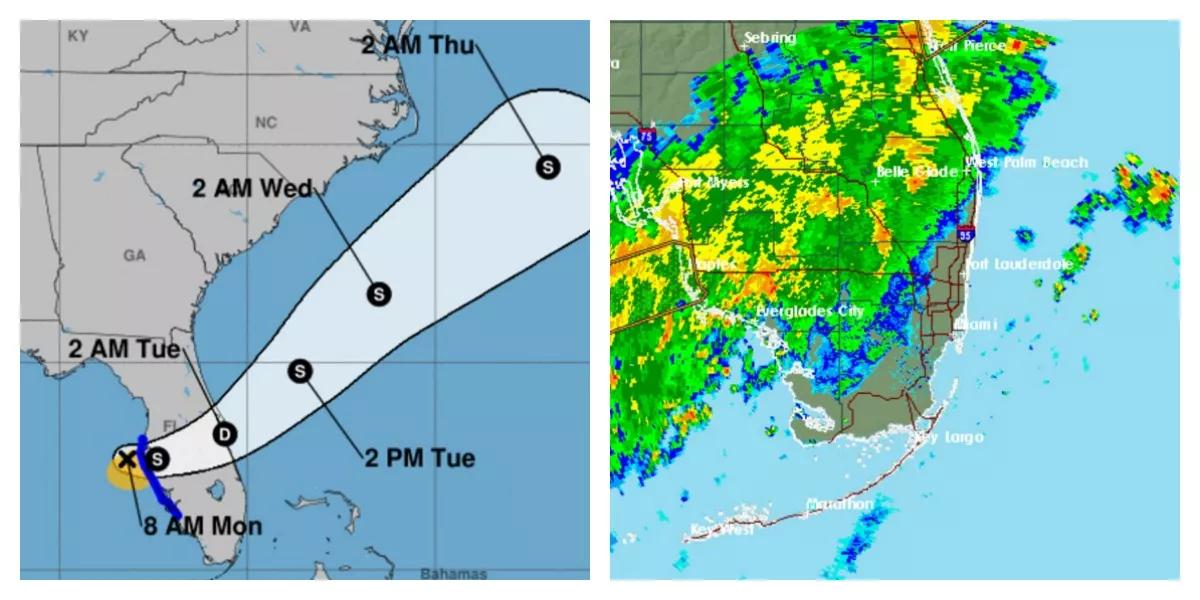
The National Hurricane Center says 92L has a 40 percent chance of becoming a tropical storm.
As Hurricane Harvey spins toward Barbados, another storm looming in the Atlantic Ocean has seemingly set its sights on South Florida. The wave is still days away from nearing the Sunshine State, but forecasters say it’s time to pay attention to this one.
The Florida’s Public Service Commission (PSC) has exactly one job: act as a check on the state’s powerful local electricity monopolies such as Florida Power & Light. The board has to sign off on rate increases and regulates safety and service issues — but critics have long said the regulators are barely a rubber stamp.
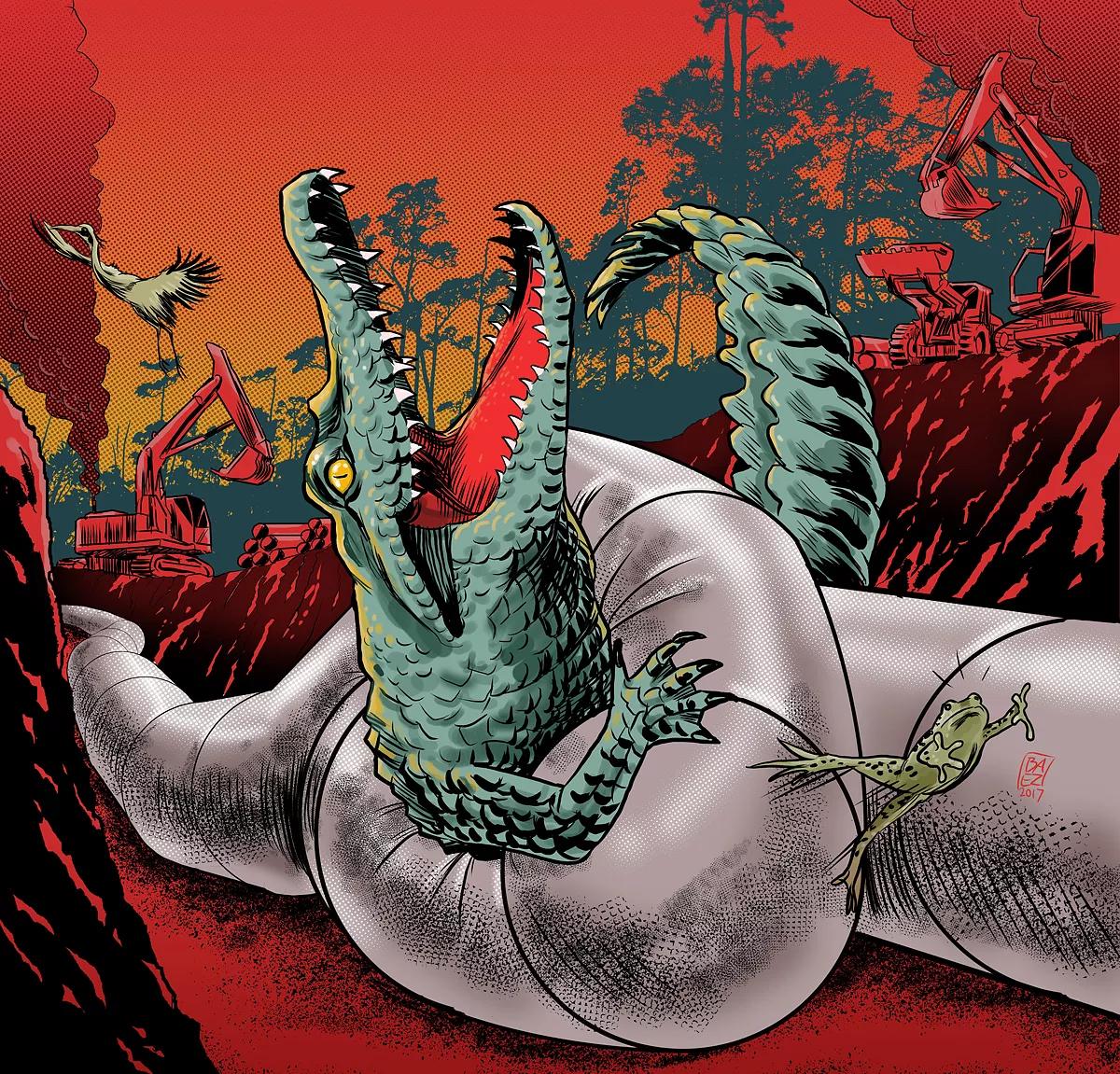
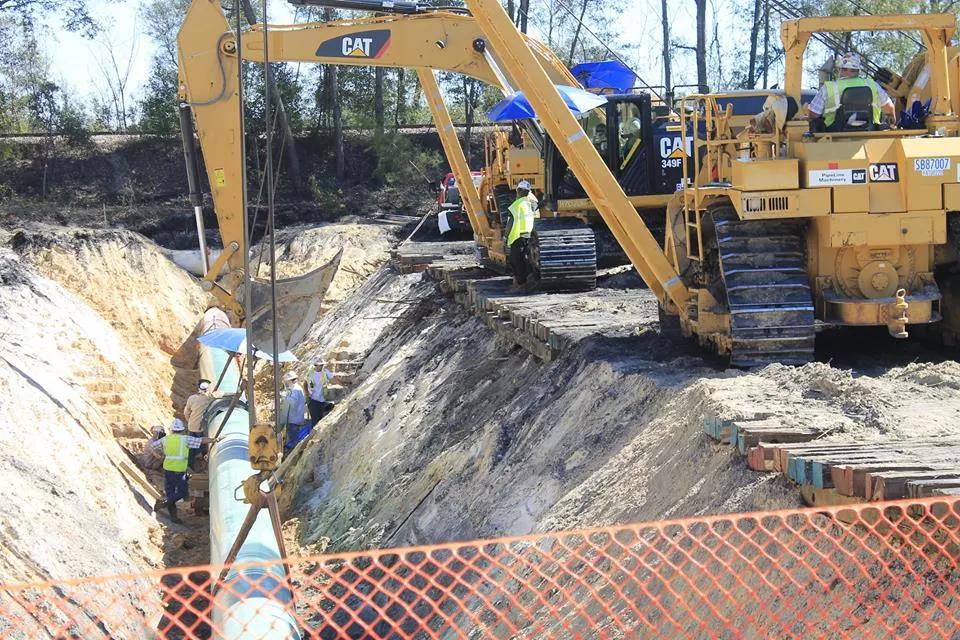
When a group called Sabal Trail began building a 515-mile natural gas pipeline from Alabama to Florida, protestors rightly worried about the possibility of a leak or explosion. All along, Sabal Trail representatives assured residents who lived by the pipeline that the risk of a gas leak was “minimal.”
Every morning for the past seven years, Ethel Domiguez has fed the cats living in the tangle of vegetation on the beach behind her Collins Avenue condo building. But when she went down to the beach yesterday, she was horrified by what she saw: Workers were bulldozing everything. Most…
There are two tropical disturbances brewing in the Atlantic Ocean right now. It’s likely neither will hit Florida. One, called Invest 99L, very likely could become a depression, but current models predict it will loop back out toward the center of the ocean without hitting us. The other, a tropical wave floating over the Bahamas…
Seawalls. Hotel lobbies designed to flood. Raising roads. Installing pumps to suck floodwater underground. Miami-area politicians have undertaken a smorgasbord of projects designed to mitigate the effects of climate-change and sea-level-rise in America’s most ocean-vulnerable city. But a massive federal report on climate change leaked to the New York Times today…
Tomorrow, Miami Beach Mayor Philip Levine will take the media on a tour of the Miami Beach Convention Center to show off the half-billion-dollar renovation the city mounted to expand and modernize the building. The tour will, however, have to carefully step around huge swaths of water damage. According to…
Miami flooded in biblical proportions last night thanks in part to rising seas and a warming planet. This goes without saying, but the deluge devastated Miami Beach business owners, people who own oceanfront property, and anyone who likes driving on streets that aren’t underwater.
Miami Beach has the second most properties threatened by rising seas in the world, so the city recently sank $500 million into a Sisyphean project to install up to 80 anti-flood pumps across the city. Though the system has helped suck away sunny-day tidal flooding, independent engineers have warned…
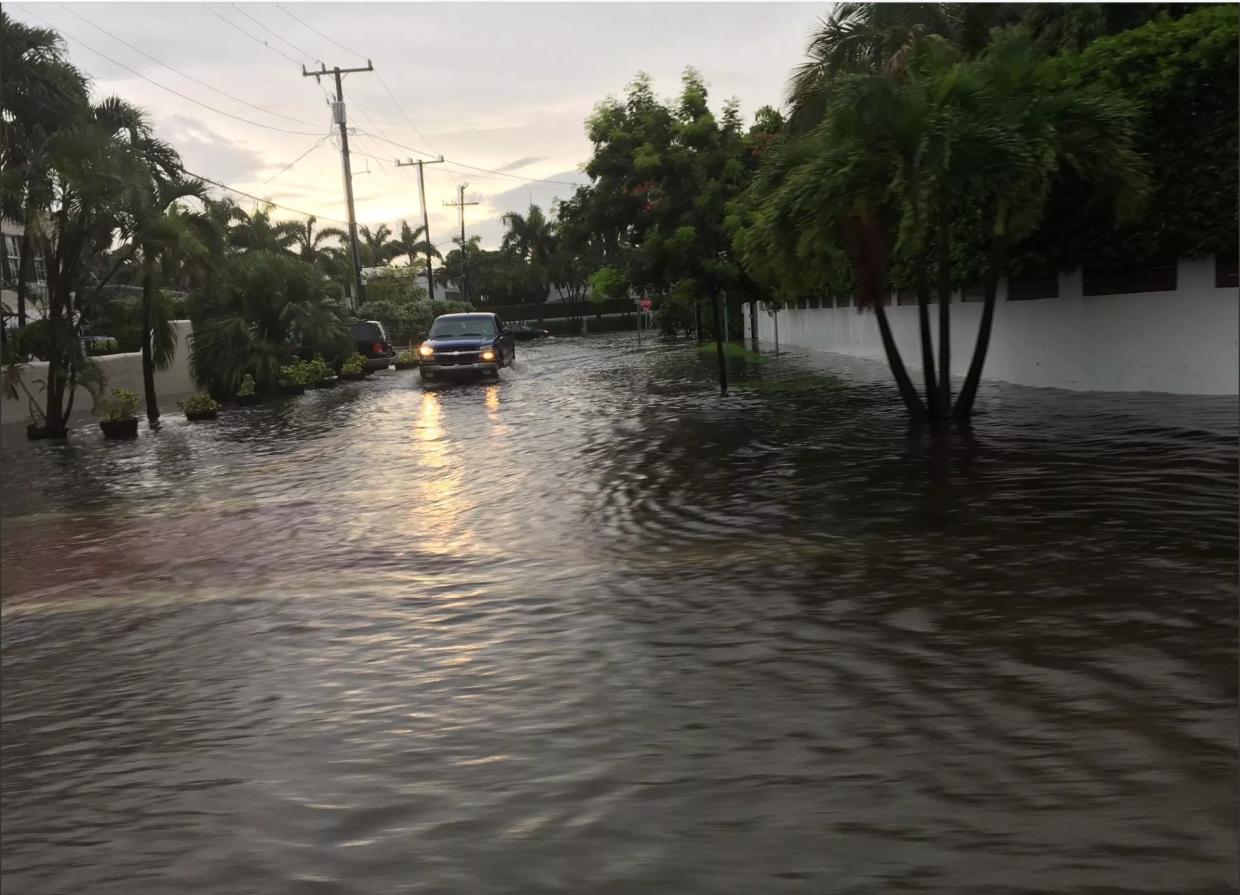
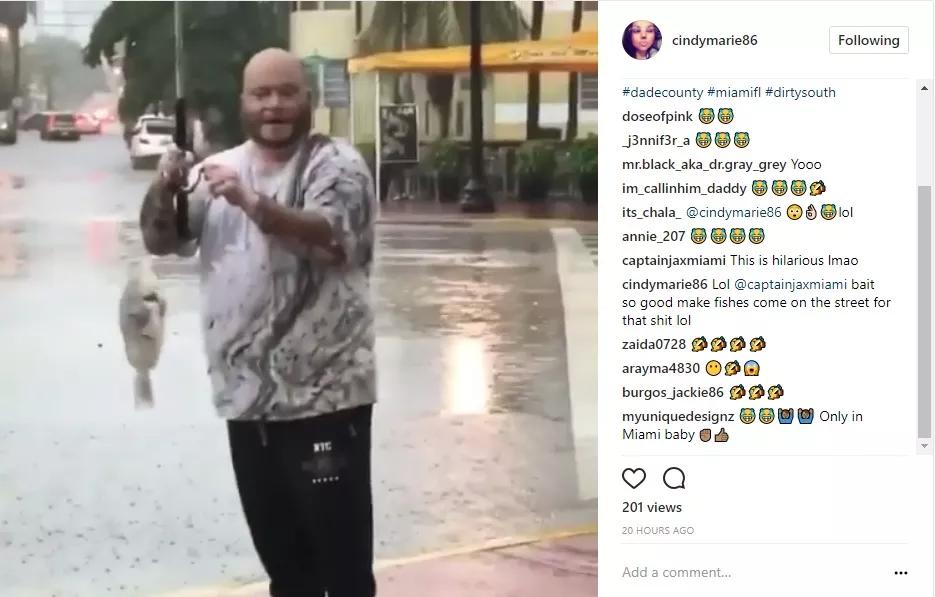
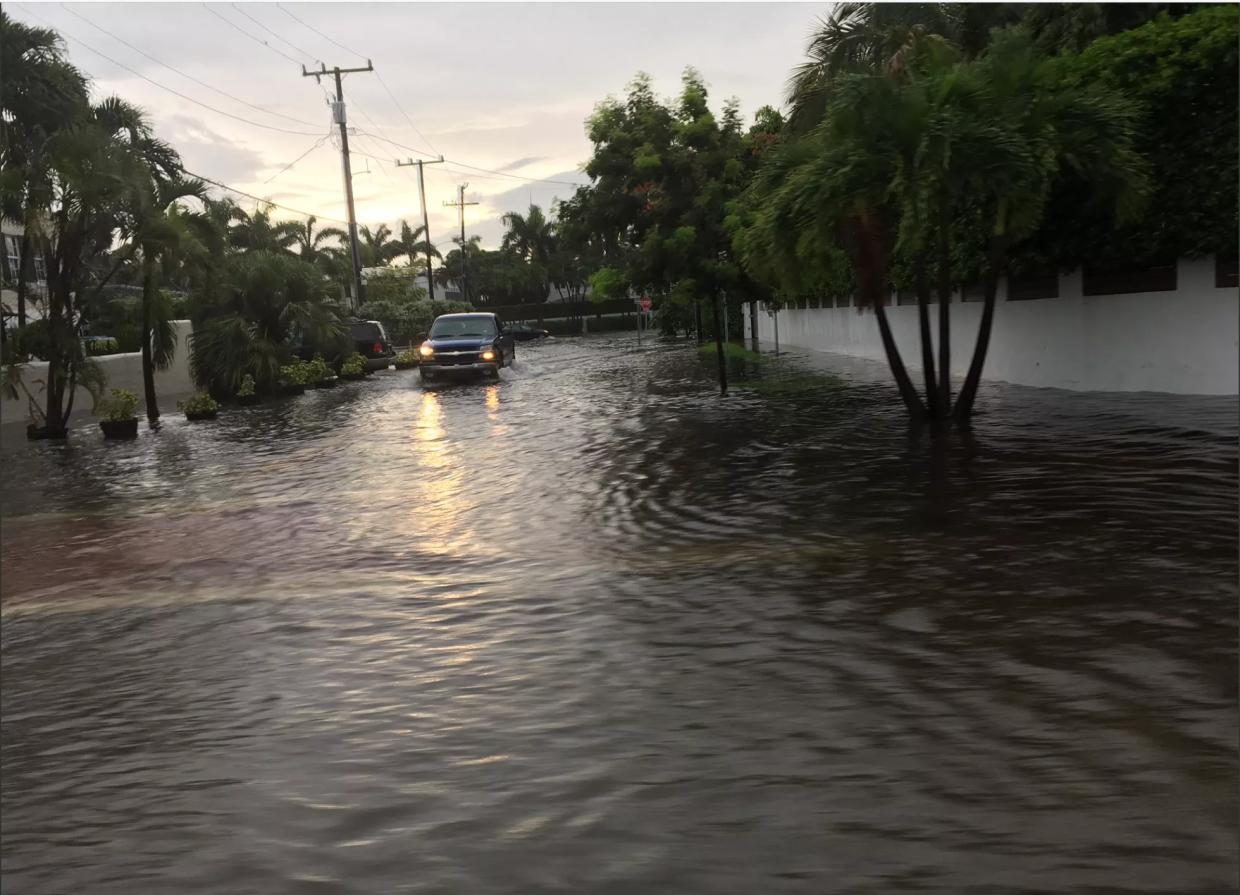
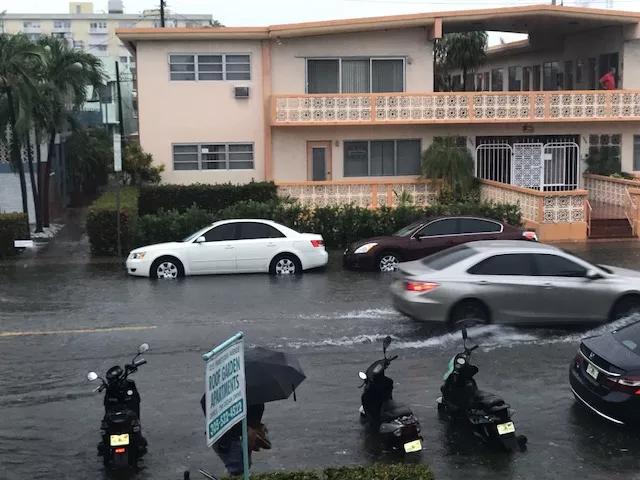
Well, uh, don’t drive in Miami right now. Thanks to the remnants of yesterday’s Tropical Storm Emily (which has since weakened to a depression), most of Miami Beach and a big chunk of downtown Miami sit under something close to a foot of water. Cars can’t move, trees have fallen into roads, and a flash-flood warning has been issued for Miami Beach until 5:45 p.m.
Unless you really hate the prose of Brontë or Dickinson or can’t stand Post’s advice, history is light on villains named Emily. Until now! Tropical Storm Emily is poised to wreck plans and generally be a pain in the ass from South Florida to Tampa Bay this week.
Miami could very well become a tropical Venice — a balmy city with flooded streets where gondola operators ferry tourists past palm trees for a few dollars’ worth of tips.
Florida Power & Light, the third-largest utility in America and the private monopoly that Miamians are forced to pay for power every month, proposed building a coal-fired power plant as late as 2007 before state regulators forced the company to reconsider its plans. FPL still generates most of its power using natural gas, a fossil fuel that creates less carbon than coal but still pollutes the atmosphere and is dug from the ground using the carbon-intensive fracking process.
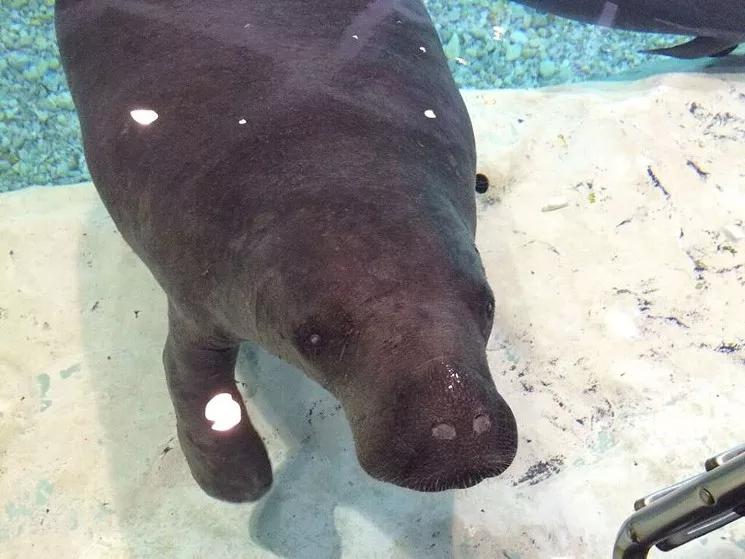
This past Friday, Snooty, the world’s oldest captive manatee, celebrated his 69th birthday surrounded by a singing crowd and a smorgasbord of fruits shaped into a makeshift cake. Two days later, he was dead after getting trapped beneath an underwater hatch.
Florida Power & Light’s Turkey Point Nuclear Generating Station is already leaking dangerous salt water into the aquifers that are Miami’s largest source of drinking water. Despite that alarming fact, the U.S. Nuclear Regulatory Commission (NRC) recently ruled that FPL can move forward with a plan to build two new…
The clock is ticking. Any minute, Andrew Schumann could get called away for a momentous occasion—the birth of his brother’s first child. But at present, he has other firstborns on his mind: 18 Florida grasshopper sparrows. A lot is riding on the survival of these tiny chicks who will be no…
Florida’s rainy season began so slowly this year that farmers worried they would spend the summer under drought conditions. But then, in late June, a month’s worth of rain suddenly poured on Florida in just one week. The deluge swelled the artificially managed water levels in the Everglades, flooding the habitats of deer, endangered birds, and other critical animals and plants.
A major study released this month warned that fetuses and babies who come in contact with naled, the hotly debated organophosphate pesticide Miami-Dade County uses to kill mosquitoes, could actually develop motor-skill issues as they get older. The study adds to the growing pile of research that suggests organophosphate pesticide exposure…
Alex Martinez was surveying sea turtle nests in Miami Beach early Monday morning when a beachgoer flagged him down. On the shoreline at 10th Street and Collins Avenue was a 300-pound loggerhead turtle, dead in the sand near a freshly laid nest. A closer look at the nest revealed tire tracks and boot prints.
After Donald Trump pulled out of the Paris Agreement earlier this month, effectively ignoring the will of the American people, CEOs of the nation’s largest companies, and members of his own party, progressive leaders across the country vowed to battle climate change at the local level.
Some of Miami’s business and political elite have argued that because it might be impossible to stop the effects of climate change, we should let the city flood, capitalize on it, and perhaps become a 21st-century Venice. Vanity Fair has reported that some Miami high-rises are now being built with “washout floors” designed to take consistent flooding.