Hurricane Dorian Leaves Miami’s Bahamian Community Heartbroken
Category 5 winds ripped through the open windows of a home in the Abaco Islands. Outside, floodwaters surged. Portions of the roof had already blown away.
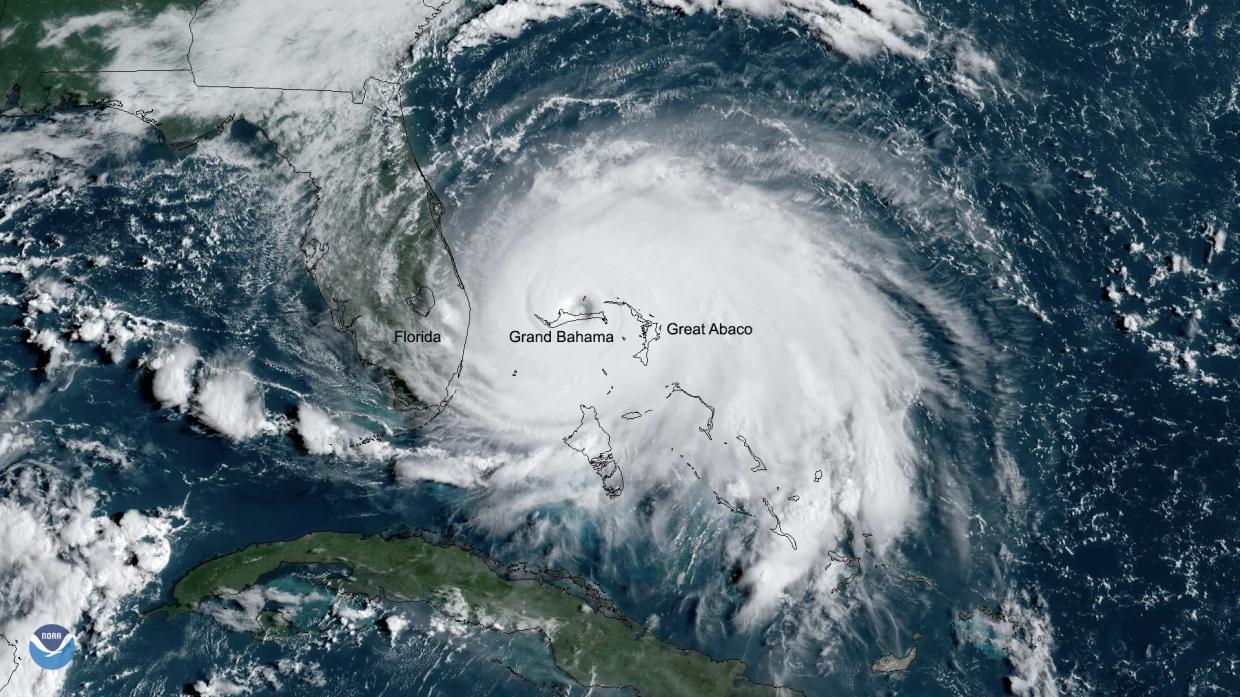
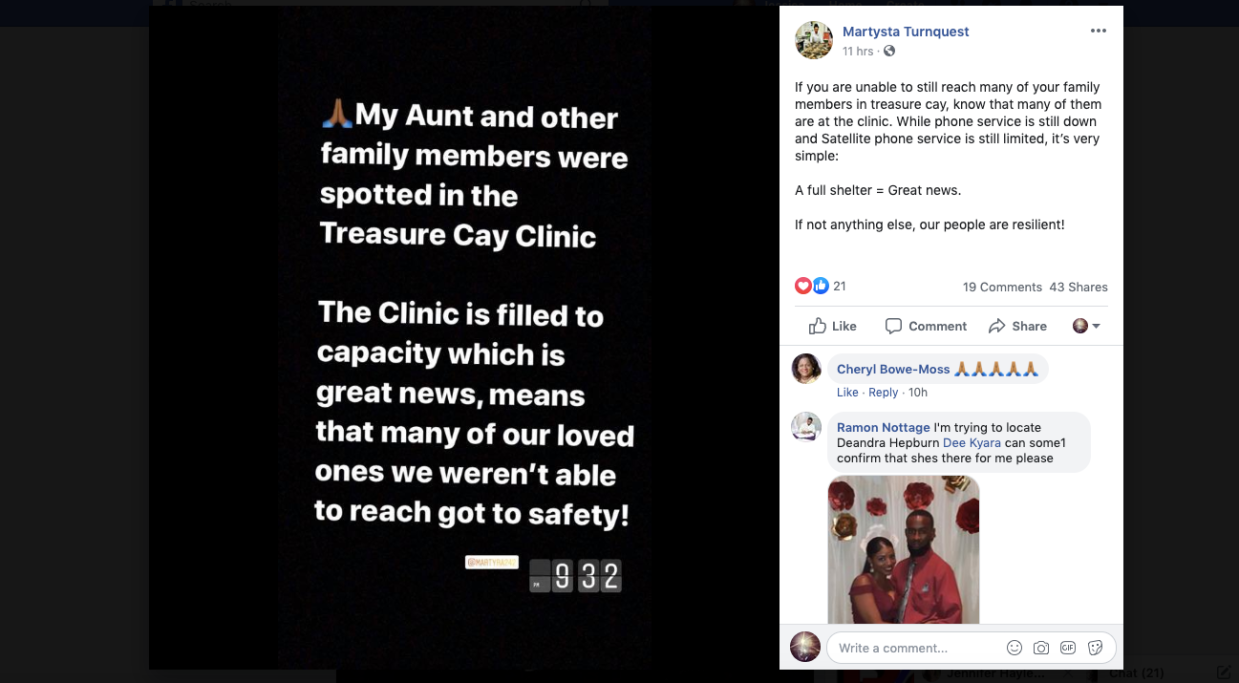
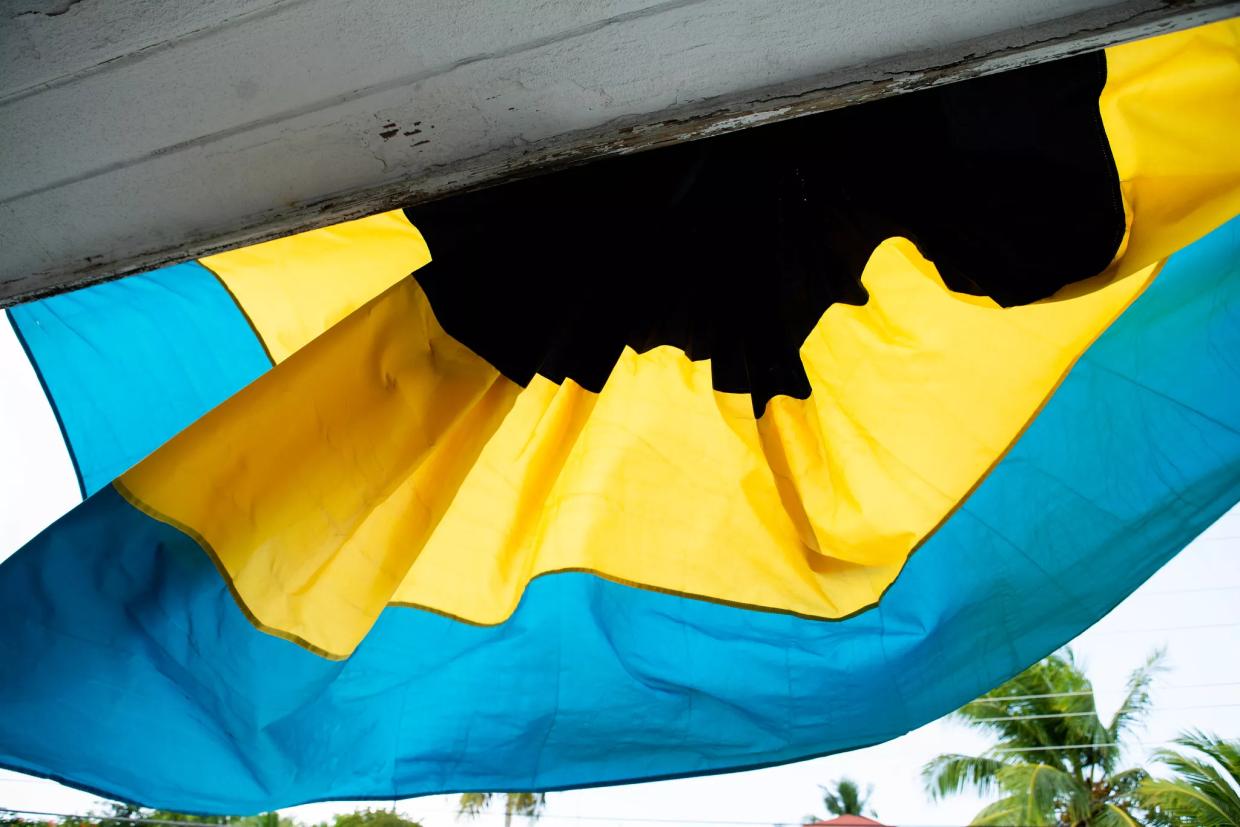
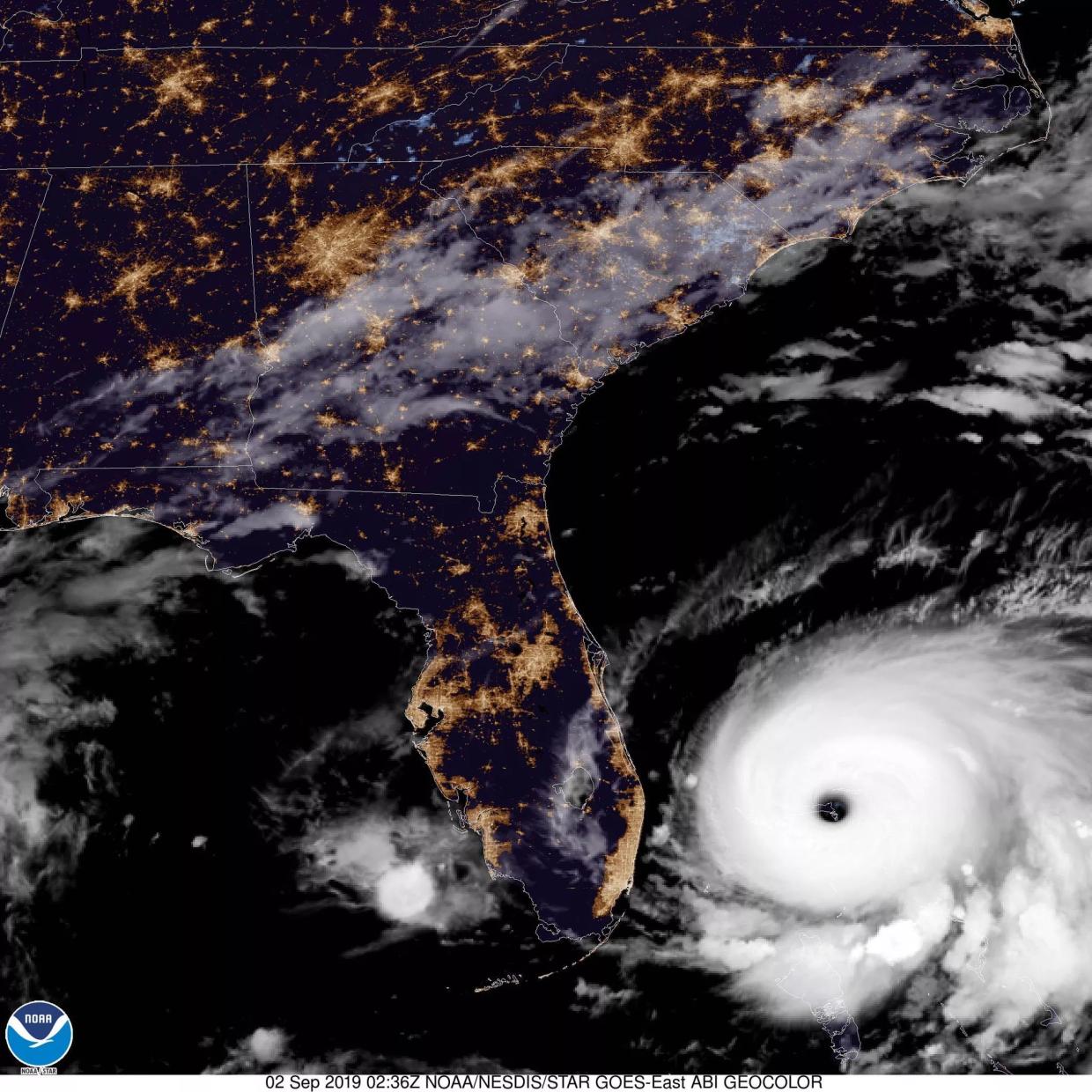
Miamians are rallying together to help their island neighbors as Hurricane Dorian continues to bulldoze the Bahamas. Dorian rapidly intensified into a Category 5 hurricane over the weekend before making landfall in the Bahamas yesterday.
Hurricane Dorian couldn’t have arrived at a worse time for families of Florida’s incarcerated. Many had planned their three-day holiday weekend around visiting their loved ones, only to receive the news Thursday evening that visitation had been canceled throughout the state.
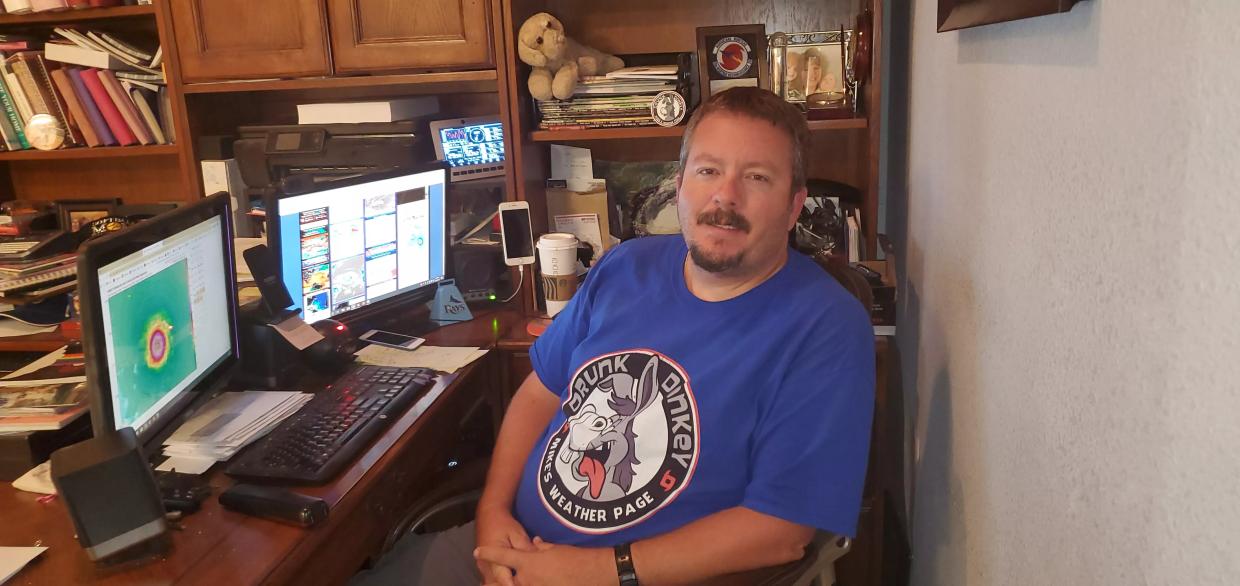
Last year, as Florence approached the United States, Mike Boylan went live from his home office in Oldsmar, about a half-hour north of Tampa. The storm for days had waffled between a Category 4 hurricane and a tropical storm, either of which could become a pain in the ass for parts of Florida, Georgia, and the Carolinas.
Hurricanes: They suck! You’re out of power for days or weeks, all the food in your fridge spoils, maybe your house or boat or houseboat gets completely destroyed and you have to move, and you probably have no WiFi in the meantime.
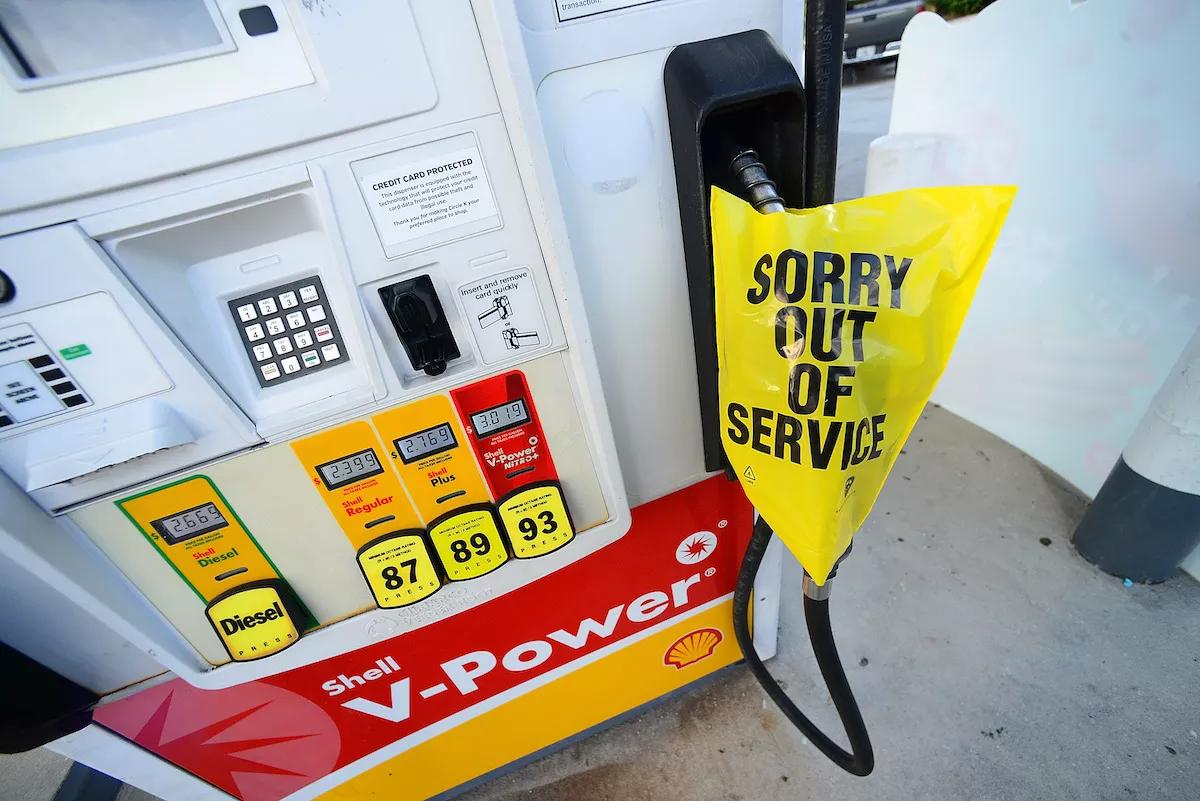
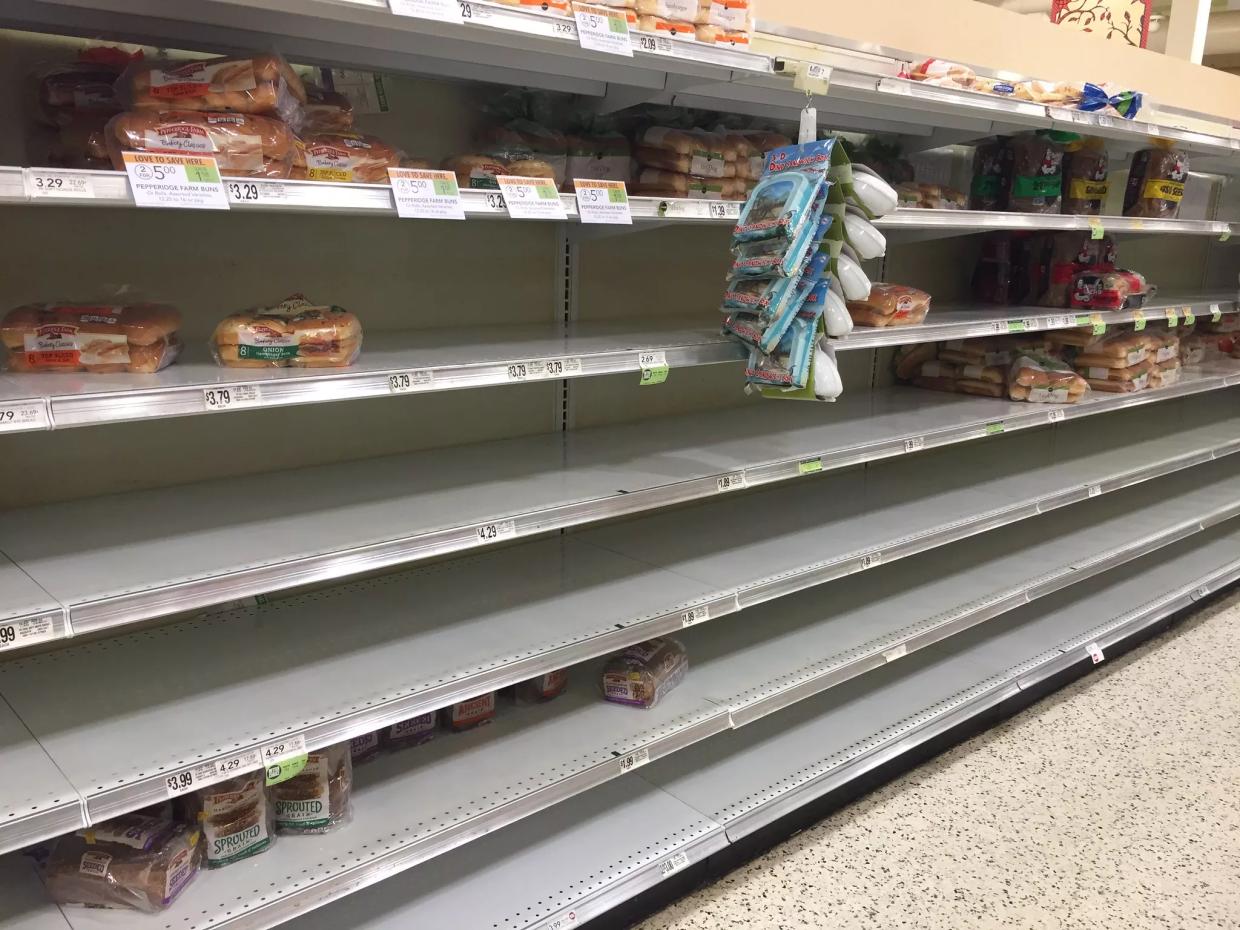
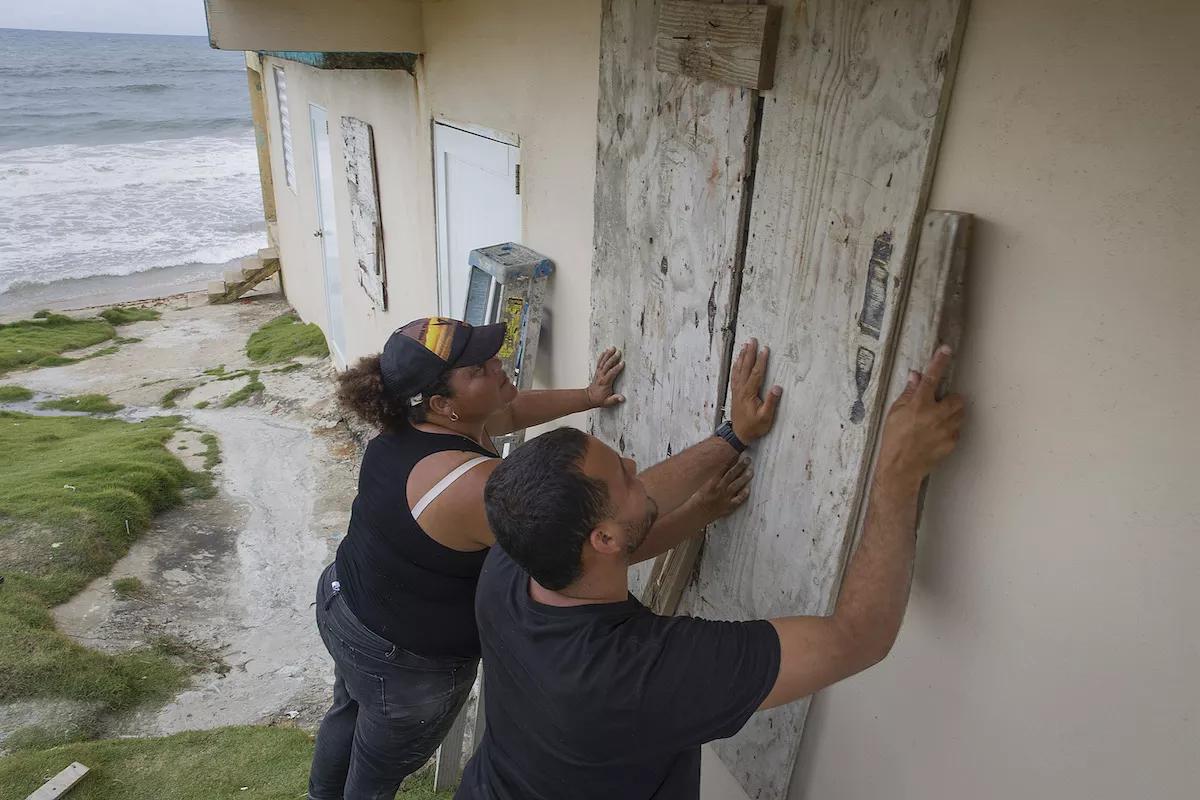
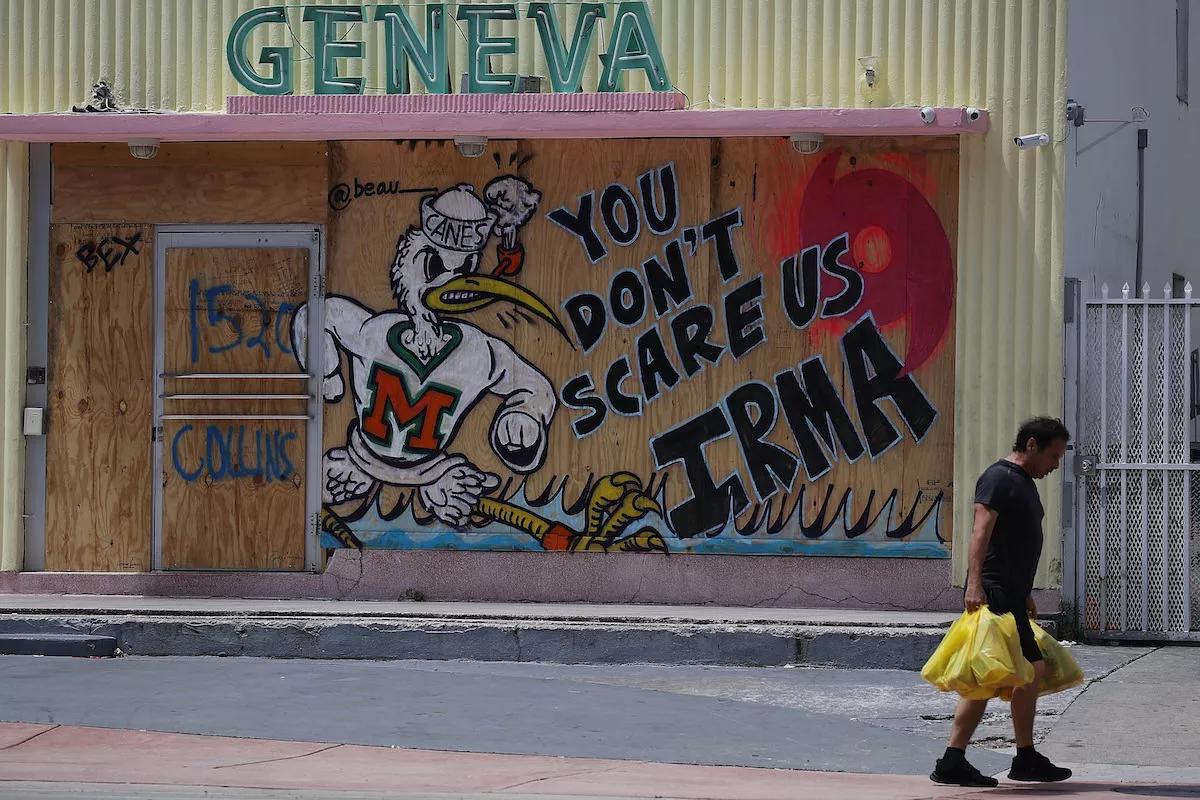
Hurricane Dorian isn’t supposed to hit Florida until Tuesday. Forecasters still don’t even know where the storm will make landfall. But that hasn’t stopped Floridians from preparing for the worst: Social media users have already posted images of long lines at grocery stores and barren shelves at home-improvement warehouses.
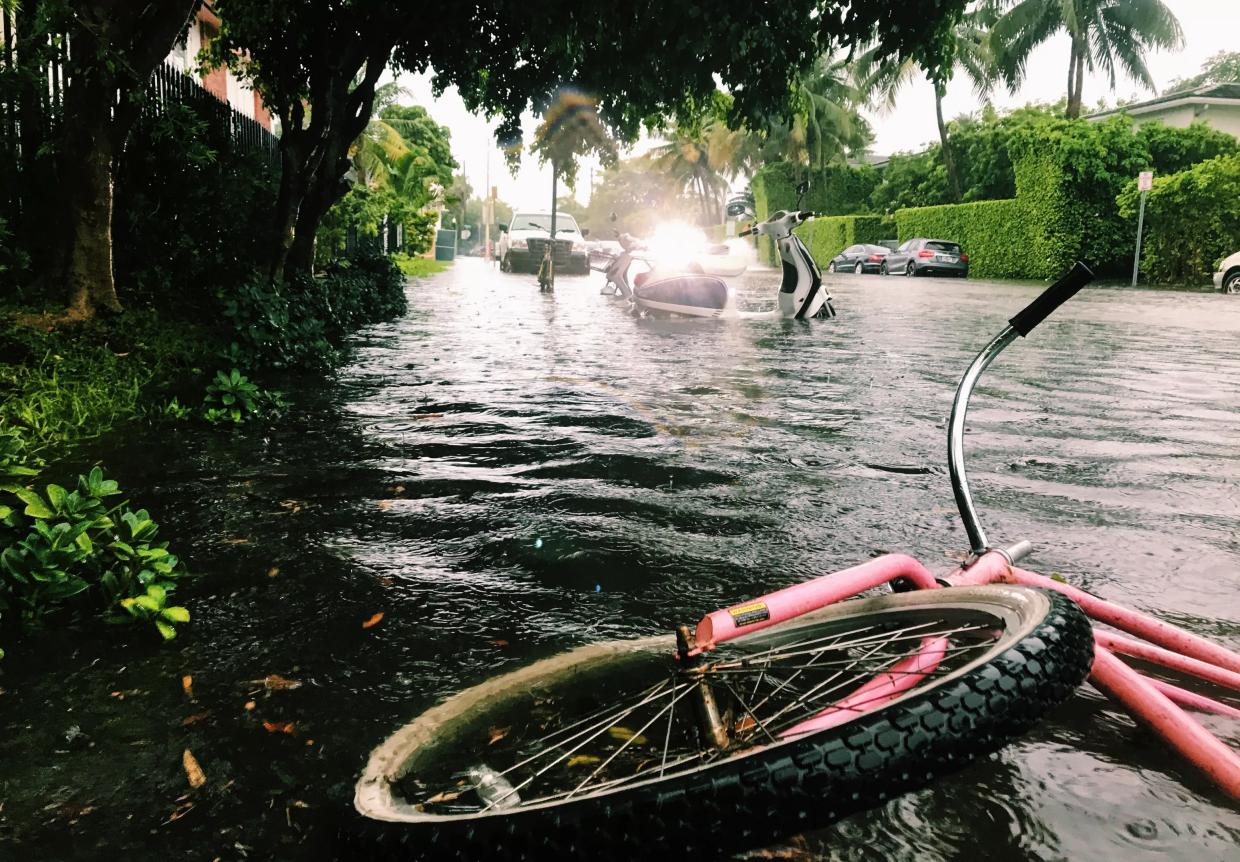
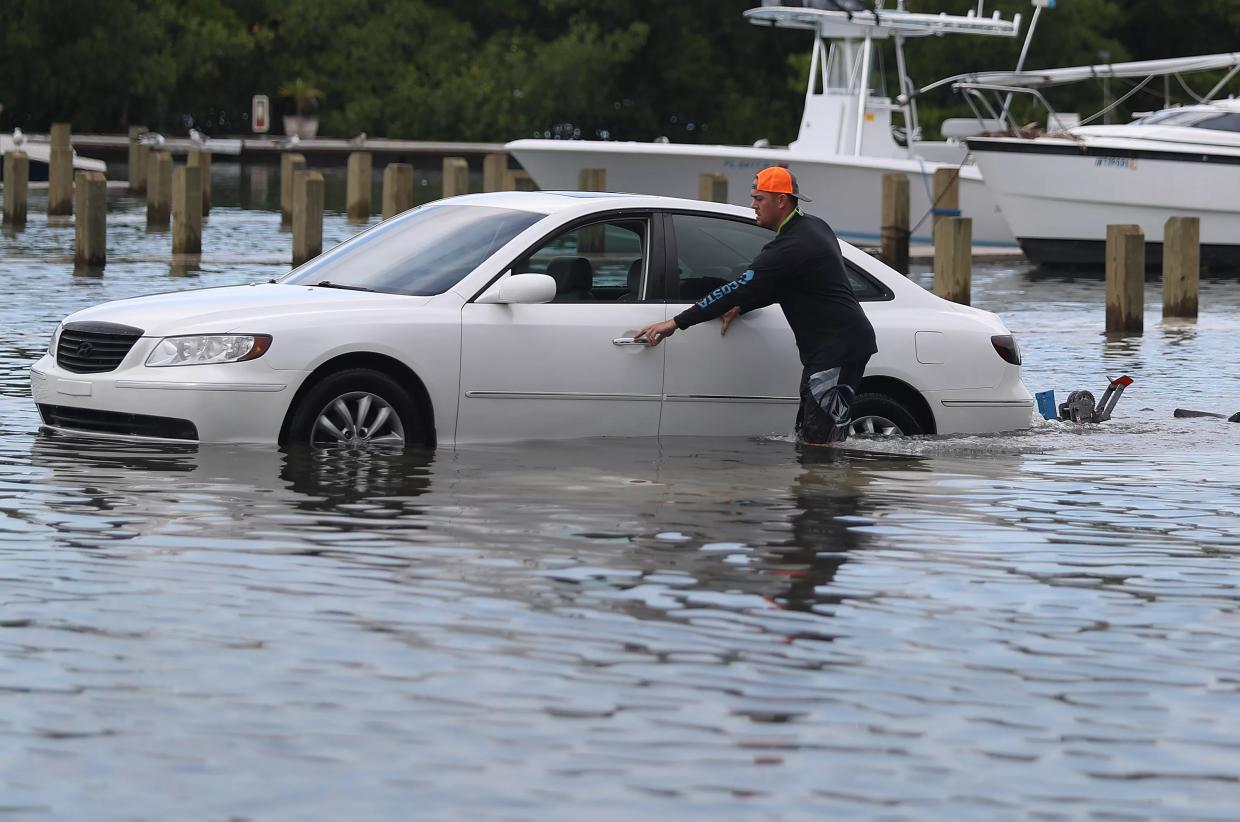
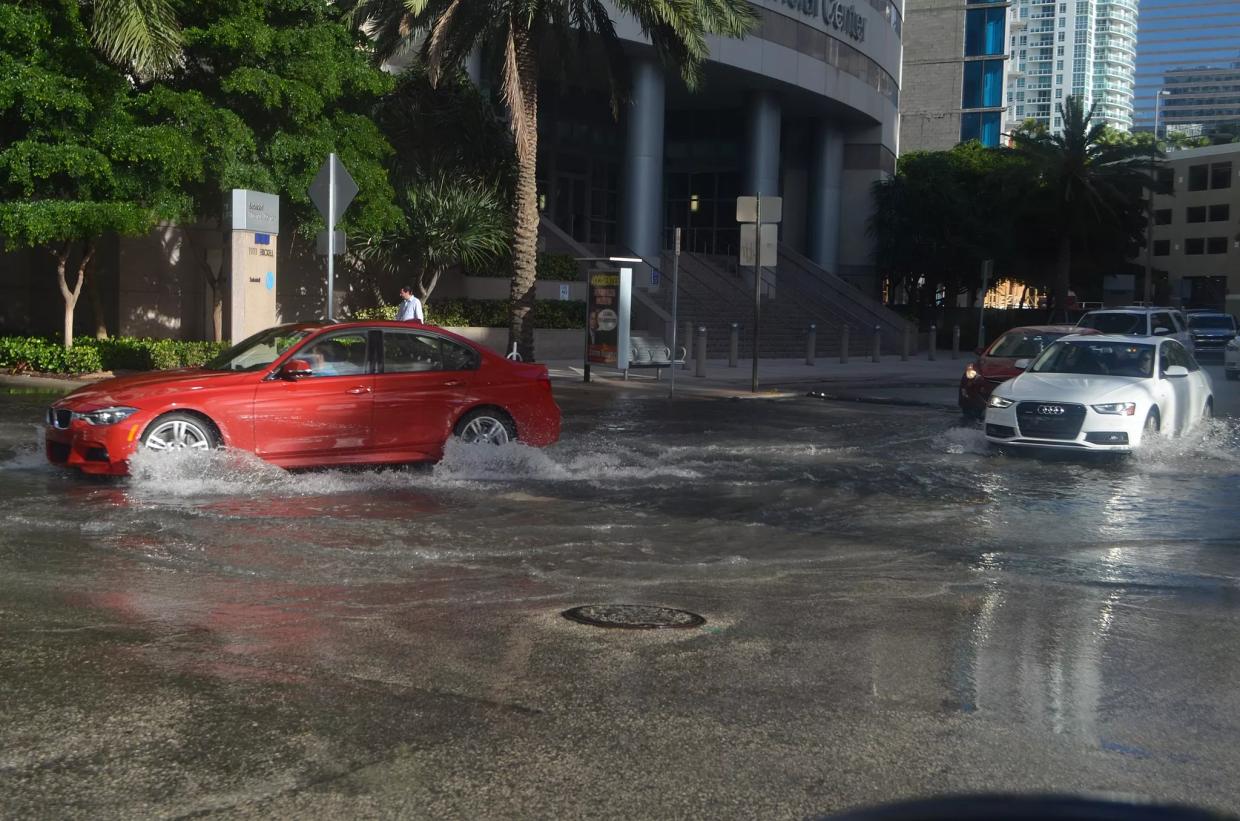
Miami Beach is known around the world for its colorful art deco hotels, boozy party scene, and, on a less fun note, sunny-day flooding. In recent years, dozens of international publications, from Vogue to the New Yorker, have written about how the city — which was basically built on a sandbar — experiences extreme flooding during king tides, when the moon is closest to the Earth.
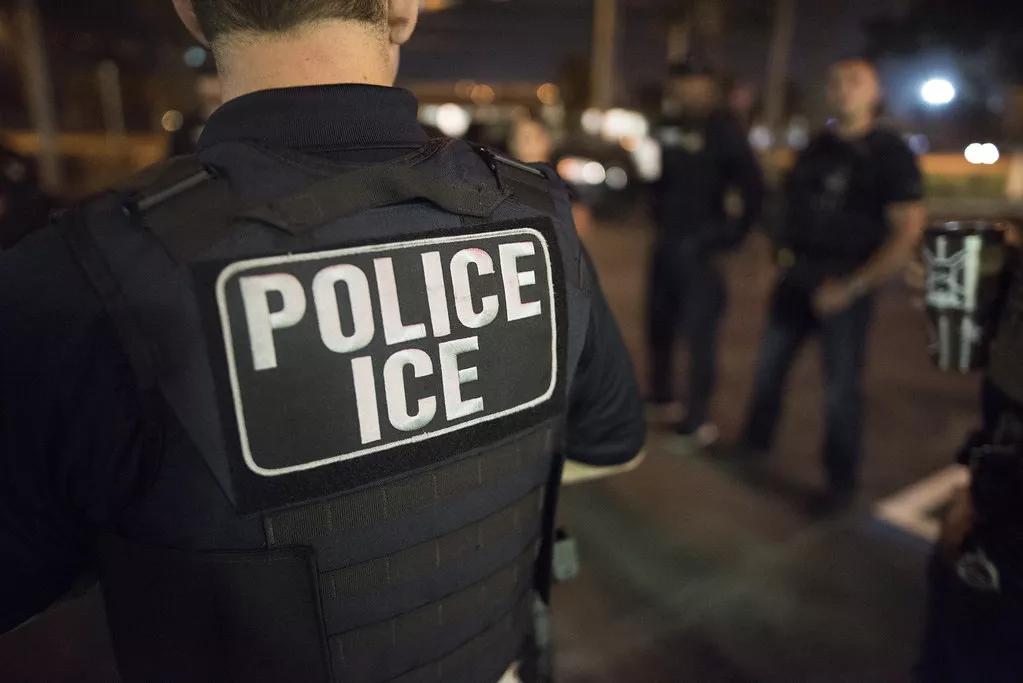
U.S. Immigration and Customs Enforcement (ICE) has announced that they have suspended immigration enforcement operations in Florida until Dorian passes. Immigrant advocacy groups say they’re still preparing for the worst.
The likelihood that Hurricane Dorian will make hit the Sunshine State is increasing. The storm is now predicted to make landfall on Florida’s east coast as a Category 4 hurricane on Labor Day, according to the National Hurricane Center’s latest projections, released at 5 p.m.
We’ve all been there: You get to Publix after a long shift at work, days before a hurricane is projected to mess up your entire weekend. The shelves are picked clean, with just a few lone bottles of Topo Chico and a single can of tuna left for grabs. Someone inevitably throws a tantrum — or a punch. You really do hate to see it.
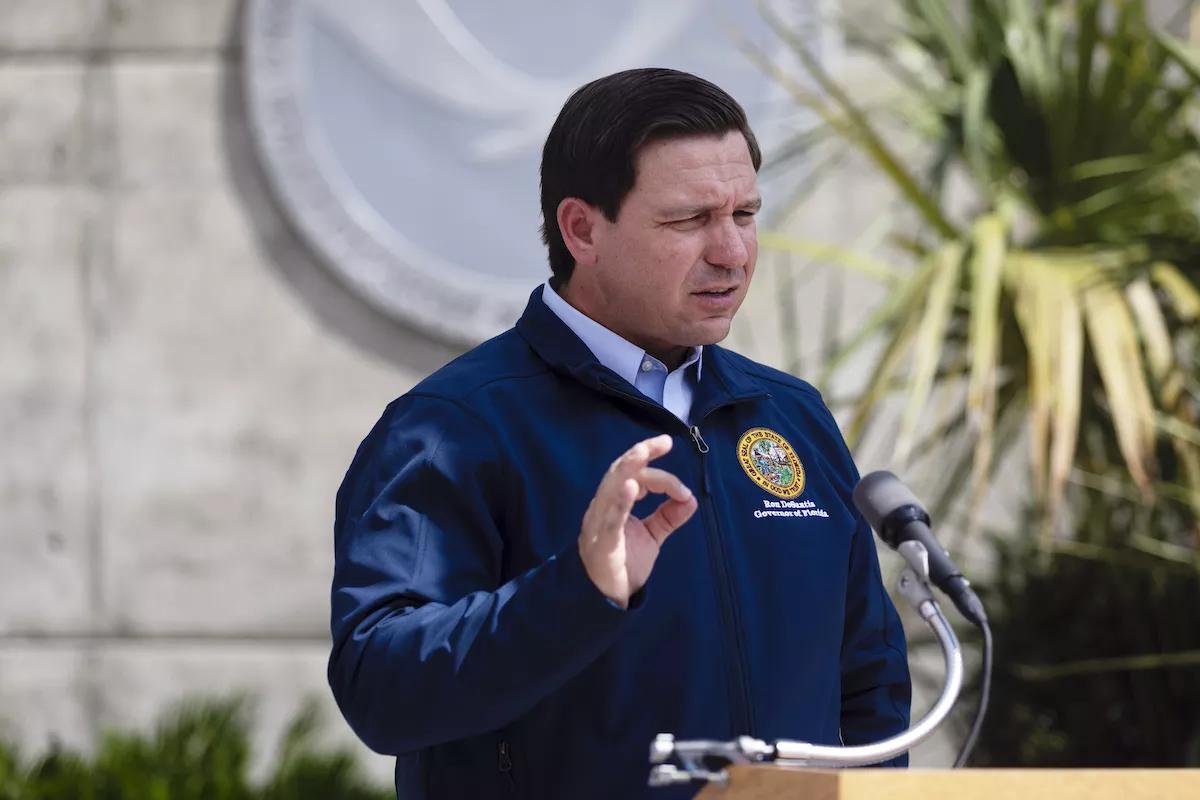
Florida Gov. Ron DeSantis formally declared a state of emergency this afternoon as Hurricane Dorian continues on its path toward South Florida.
If you’ve lived in Miami longer than, say, one week, you’re probably familiar with the South Florida weather sensation known as king tides. During a few stretches of the year when the moon is closest to the Earth, the gravitational pull causes higher-than-normal tides, prompting the hellish phenomenon of sunny-day flooding.
It’s pretty much inevitable that you will face at least one hurricane during your time in Miami. From June 1 to November 30, Floridians are basically always on edge about when the next storm might strike. And thanks to climate change and global warming, hurricanes over the coming years will…
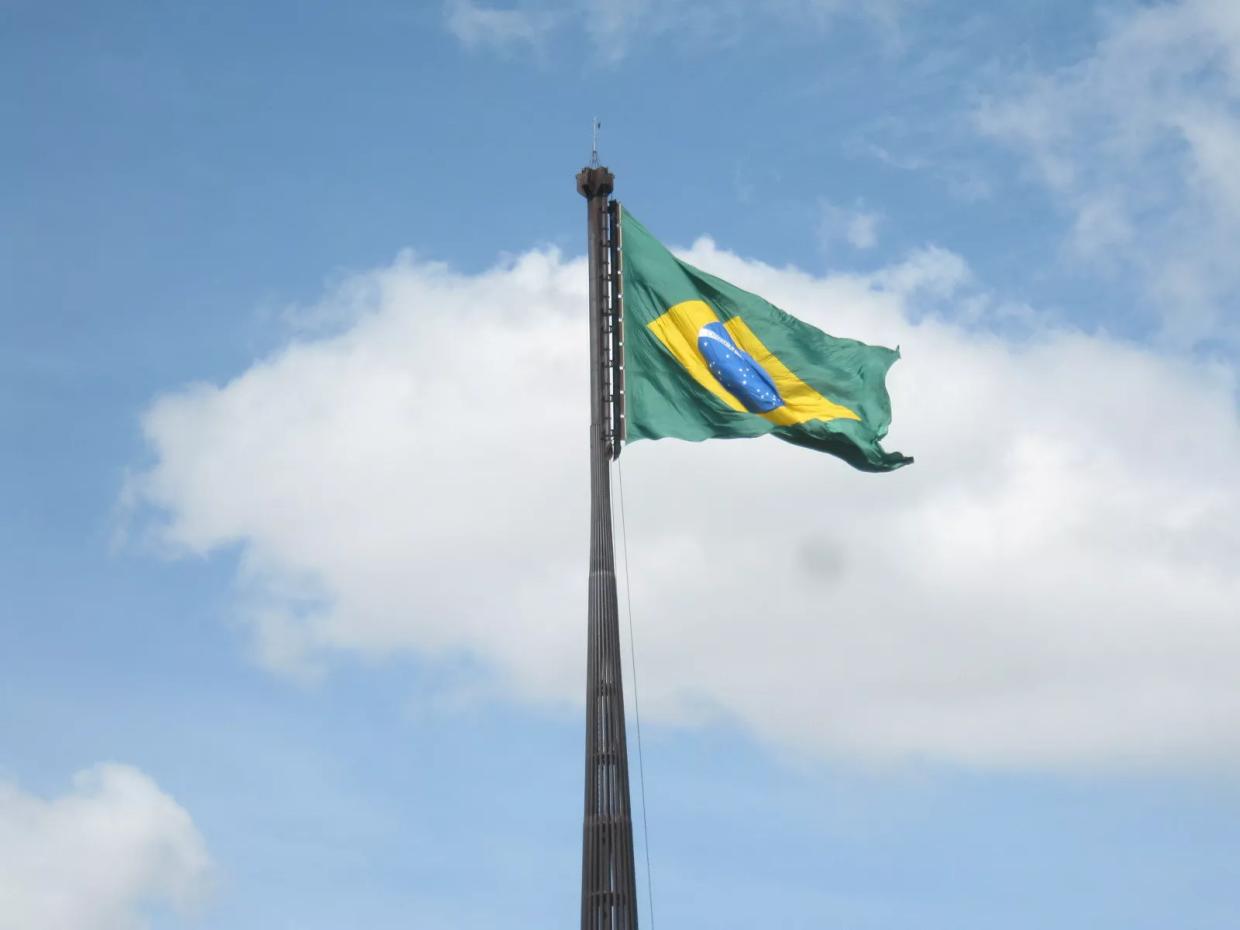
The Amazon rainforest has been ablaze for weeks, cloaking Brazilian cities in smog and drawing international concern. Brazilian President Jair Bolsonaro, who campaigned on reopening the Amazon to business, says his government can’t stop the wildfires. For environmental protesters in Miami and other major cities around the world, that’s not good enough.
Last week, the Trump administration severely weakened the Endangered Species Act (ESA) in a series of changes that included erasing climate change as a threat to wildlife and removing protections from threatened species. In response, a group of environmental and animal protection organizations has filed a lawsuit arguing the amendments violate the law.
Nearly 90 percent of all sea turtle nesting in the United States occurs on Florida beaches. Every summer, thousands of threatened and endangered sea turtles emerge from the water at night to lay their eggs in the sand.
A mere six weeks ago, Surfside commissioners passed a sweeping ban of most single-use plastics, hoping to rid the town of plastic bags, utensils, and dinnerware. At the time, Mayor Daniel Dietch praised the ban as a reasonable measure that would help reduce plastic pollution in the oceanside community.
Changes announced this week to the Endangered Species Act will make it even more difficult to protect endangered wildlife or designate areas as critical habitats.
Just weeks after a pool boy was accidentally shot by an iguana hunter in their neighborhood, two enterprising Boca Raton teens began stuffing mailboxes with flyers advertising the pair’s extermination services.
We’re only one week into August, and the National Oceanic and Atmospheric Administration (NOAA) has already upgraded its forecast for the rest of the hurricane season. Conditions in the Atlantic are now more hospitable to hurricane activity.
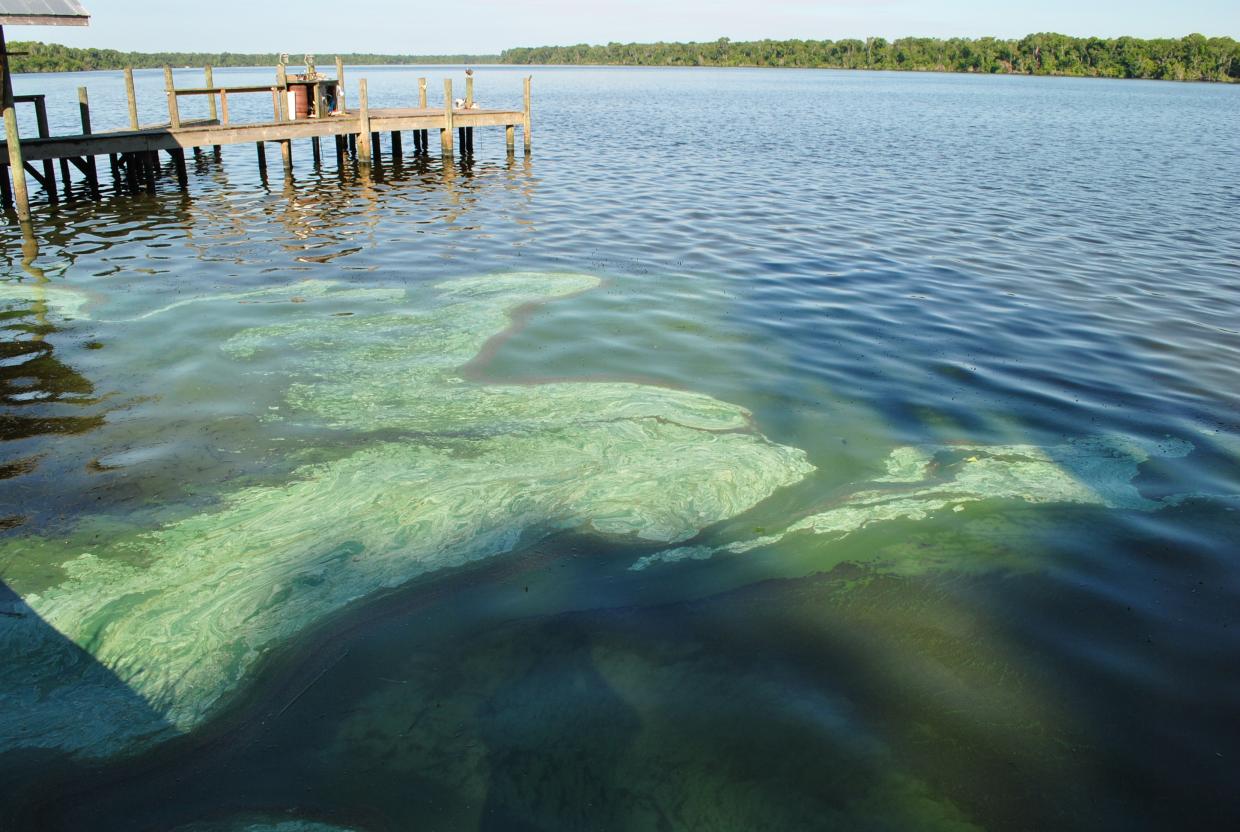
Florida — home of armed iguana hunters, exploding toilets, and the nation’s grandparents — just so happens to be the perfect petri dish for algal blooms. Because blue-green algae absorb energy from the sun and quickly grow in warm freshwater, the Sunshine State offers optimal conditions for the microorganisms called cyanobacteria to thrive.
A few months ago, Jennifer Diaz rented a condo for her 64-year-old mother in Doral. She had heard there was a garbage dump nearby, but for the price, she thought it would be worth it. When she moved her mother in, neither of them expected to be next-door neighbors with “Mount Trashmore” — the Medley Landfill.