Photo by Chip Somodevilla/Getty Images

Audio By Carbonatix
Despite being a small Central American country, Honduras has over a million immigrants, a small yet mighty force, living in the United States. They have also been an essential part of Miami’s history for generations. More than 60,000 of them live in Miami-Dade County and have established deep roots in communities like Allapattah, Wynwood, and Little Havana.
In those same communities, they have quietly become the primary victims of Trump’s mass deportation campaign. Video after video posted to social media shows immigration enforcement operations unfolding across Miami-Dade, often in the very neighborhoods where Honduran families live and work. Since President Donald Trump’s second term began in January 2025, approximately 55,000 Honduran immigrants have been deported from the United States. As a group, they rank third among nationals with the most deportation orders signed by immigration judges in Florida. The immigration enforcement against Hondurans in Miami has become so intense that just this month, Brayan Sánchez, a Honduran truck driver in Miami, along with a group of Cuban and Ecuadorian migrants, was detained and deported to the Central African Republic for no apparent reason whatsoever.
Yet the scale of what is happening to Miami’s Honduran community has received remarkably little attention. In large part, the reason Honduran immigrants have been so disproportionately affected by the surge of U.S. Immigration and Customs Enforcement (ICE) activity in Miami is a two-fold problem.
First, with very limited exceptions, Honduran immigrants have not benefited from some of the immigration policies that have historically provided other immigrant communities with pathways or protections in the U.S.
Second, Hondurans in Miami are heavily represented in some of the industries most exposed to immigration enforcement. Roofing, construction, landscaping, painting, and other blue-collar industries have provided generations of Honduran immigrants with a way to support their families and contribute to Miami’s economy. Today, those same jobs can make them especially visible to immigration authorities.
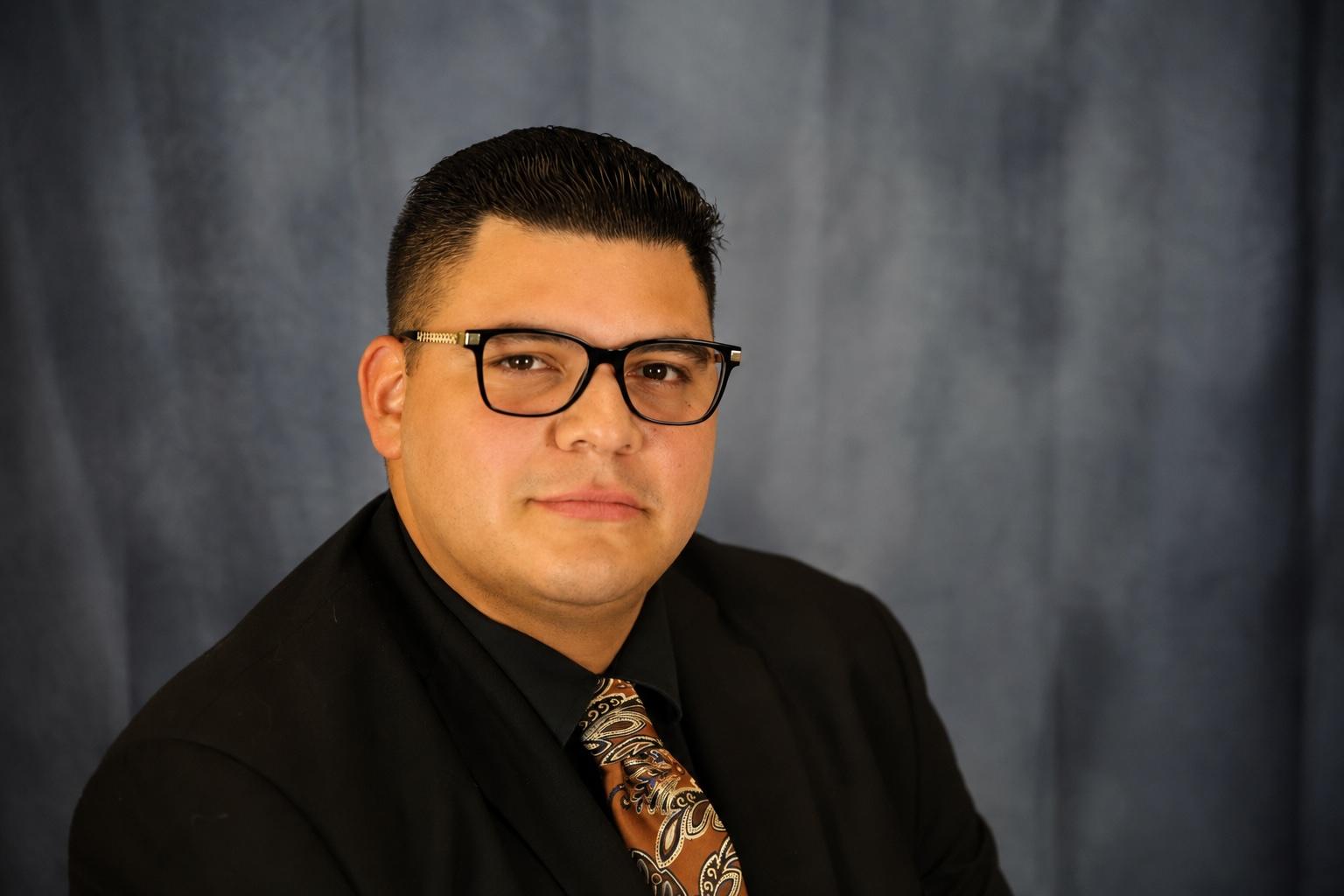
As a Honduran-American born and raised in the 305 myself, I feel the terror and uncertainty amongst my community. Recently, that fear became personal.
A very close family friend of mine, whom I’ll call Miguel, was detained by ICE early one morning in July 2026 while on his way to work in Allapattah. The ICE agent who pulled him over claimed his license plate reader notified them that he was an “illegal alien,” although Miguel has a valid driver’s license, work permit, and Social Security Number through his pending asylum application. Miguel was then sent to the Krome Detention Center, where he was held for a few days, and later transferred by plane to the Denver Contract Detention Facility in Aurora, Colorado, thousands of miles away.
His wife and stepchildren, all US citizens, advocated tirelessly for his release. Fortunately, he was able to safely return to Miami after several weeks in detention, but not before paying a $10,000 immigration bond and being forced to wear an ankle monitor along with weekly check-ins with ICE at their Miami field office. While Miguel was lucky enough to return home, most Honduran immigrants in this country are not.
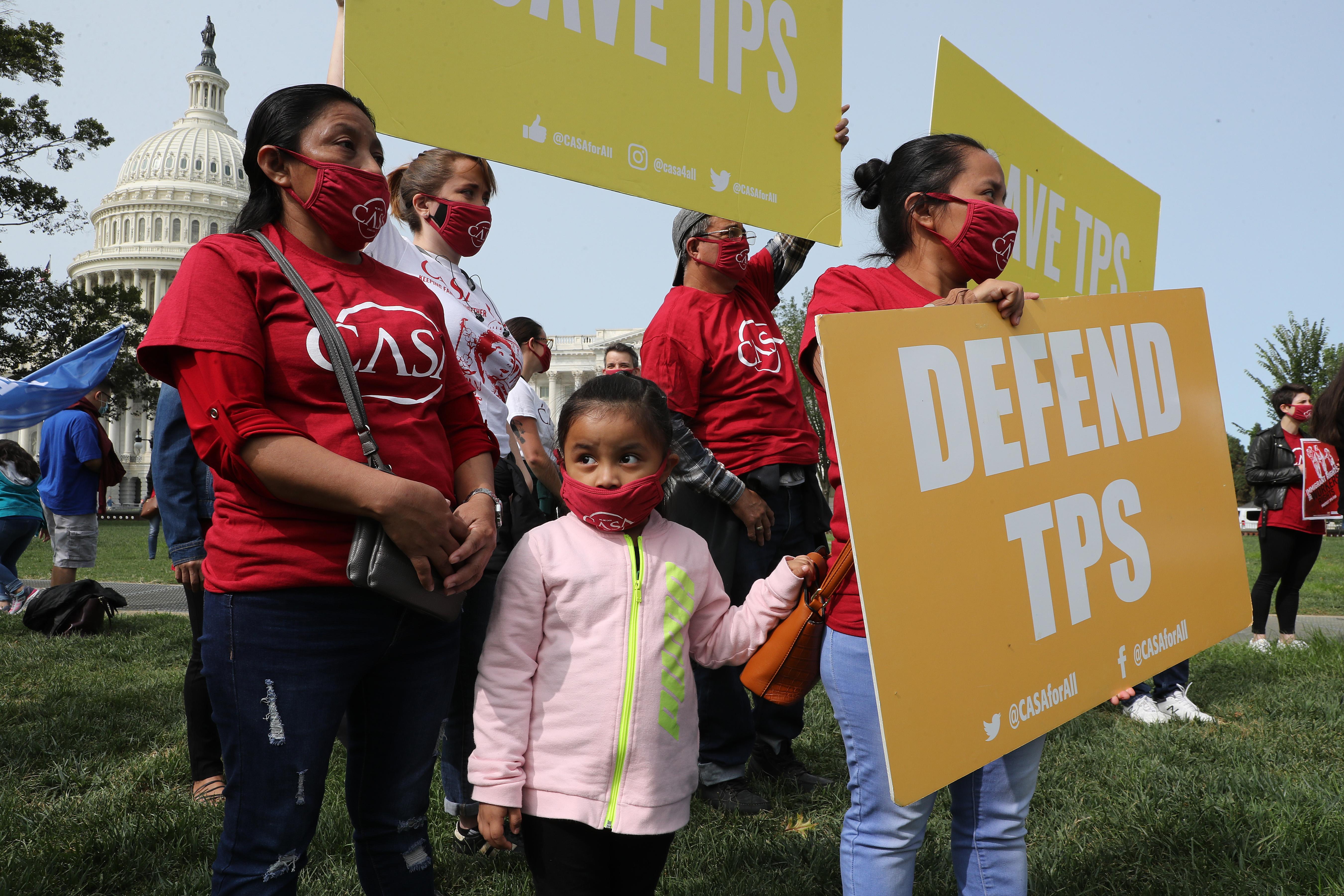
The Trump administration recently announced the official termination of most Temporary Protected Status (TPS) designations. The Clinton administration granted Hondurans TPS in 1999, after Hurricane Mitch struck and killed thousands, displacing many more. For 26 years, roughly 72,000 Honduran immigrants in the U.S. were protected from deportation by this TPS designation. Many of them started families, created businesses, became homeowners, and built productive lives as contributing members of our society. Now, they are faced with an ultimatum: self-deport to Honduras or stay and risk being detained by ICE, sent to a detention center, and forcibly removed from the country.
The Hondurans who climb onto roofs beneath the South Florida sun, build our homes, landscape our neighborhoods, paint our businesses, and raise their families here are part of the fabric of this city. Their children attend our schools. Their families worship in our churches. They shop in our businesses and live in our neighborhoods. They are Miami.
Yet, while our city rightfully celebrates its identity as a refuge for generations of immigrants, one of its oldest Latino immigrant communities is experiencing a profound moment of fear largely outside the spotlight.
The Honduran community may not have the political influence or national visibility of some of Miami’s larger immigrant communities. But that should not determine whose suffering receives our attention. For decades, Honduran immigrants helped build Miami while asking for nothing in return. Now, as thousands face the possibility that their lives could be entirely uprooted by a traffic stop, a workplace raid, or a knock at the door, Miami owes them something remarkably simple: We need to see them.