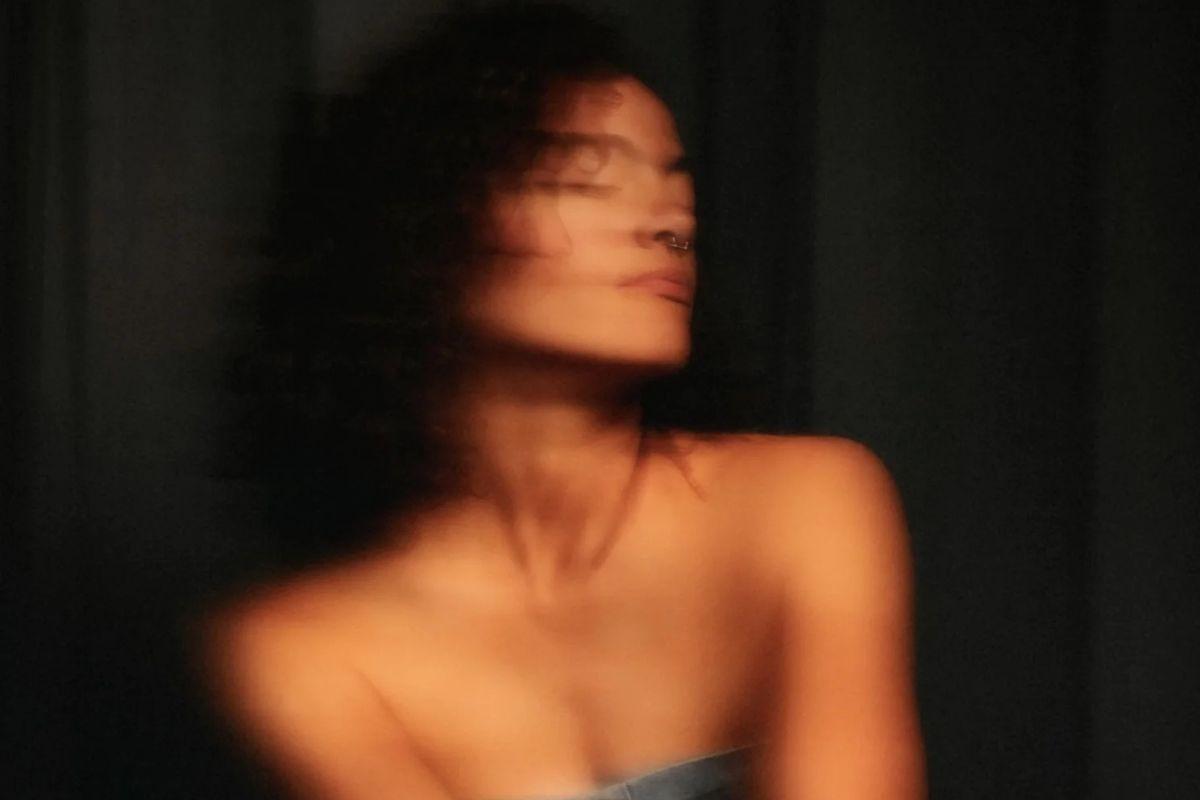
Photo by Daniel Hygge

Audio By Carbonatix
Reader support matters more than ever
We're in the final stretch of our summer campaign. Our goal is to raise $10,000 by August 9 to support the journalism our community relies on. Reader support is helping shape the future of local news.
“Motherhood is earned, first of all, through an intense physical and psychic rite of passage,” Adrienne Rich wrote in her 1976 book Of Woman Born, challenging the sentimental mythology surrounding motherhood decades before phrases like work-life balance entered the cultural lexicon.
Rich understood that the lived experience of motherhood often bears little resemblance to the idealized version society celebrates. For artists, that tension can feel especially acute. Creativity demands vulnerability, devotion, and the willingness to follow inspiration wherever it leads. Motherhood demands presence, patience, and an acceptance that control is often an illusion.
Conventional wisdom suggests those demands are incompatible, that one identity inevitably flourishes at the expense of the other. Yet across Miami, a remarkable group of women is quietly dismantling that assumption. They are writing songs between nap times, bringing children into studios, performing while pregnant, turning down opportunities when necessary, and finding ways to continue creating without abandoning the responsibilities of motherhood.
Motherhood has not silenced their creativity. It has given it a new vocabulary. Their stories are not about “having it all.” They are about redefining what “all” means.
For singer-songwriter Jahzel Dotel, motherhood never represented the end of a creative chapter. It became a deeper connection to the purpose behind her work. “I wouldn’t want my son to think I quit because of him,” Dotel reflects.
The statement carries the weight of a generation of women who have been asked to believe motherhood and ambition exist on opposite sides of a dividing line. For Dotel, music was part of her identity long before she became a mother. She spent her childhood in the Dominican Republic, where her father ran a radio station from their home, introducing her to a world of sounds beyond traditional rhythms. Music was not something reserved for stages or studios. It was woven into everyday life.
That relationship continued throughout pregnancy. Dotel remembers performing late into the night, sometimes finishing gigs at three in the morning. During a Bastille Day performance, she sang an entire set in French while pregnant. Rather than feeling limited, she discovered unexpected changes in her voice.
“Hormones and pregnancy changed my voice,” she recalls. “I could hit higher notes more easily. I felt like a goddess.” Today, her son Jahbriel occasionally joins her at recording sessions and performances, growing up surrounded by the creative process. “I want my son to be exposed to different cultures and music,” she explains. “That will help him gain confidence and awareness.”
For Dotel, motherhood did not pull her away from artistry. It strengthened her connection to it. “The best things in my career are happening now after motherhood.”
That belief echoes throughout Miami’s creative community.
Before welcoming her son Enzo, Latin Grammy-nominated artist Vikina feared pregnancy would slow the career she had spent years building. Instead, it became one of the most creatively fulfilling periods of her life. She released music, performed internationally, and appeared at the FIFA Club World Cup opening ceremony while pregnant. She also created “Estuario,” a deeply personal song about change and rebirth, accompanied by a maternity music video featuring the women who shaped her life.
After Enzo arrived, her perspective shifted. “Motherhood isn’t a pause. It changes everything,” Vikina says. “You don’t return to the person you were before. You build a new version of your life where your career and your family coexist.” That coexistence requires discipline. Writing and recording now happen between feedings, naps, auditions, and meetings.
“What people don’t always see is that creativity doesn’t arrive on a schedule,” she explains. “It isn’t easy to squeeze inspiration into small windows of time.” Yet motherhood has also changed what success means to her. “I’m no longer driven by the idea that every project has to change my life,” Vikina reflects. “I have the most life-changing piece of art right in front of me every day.”
For Milla Santana, motherhood has meant embracing different seasons of life.
A mother of two toddlers, Santana balances raising her family with her role as an associate vice president at a public relations and marketing firm while continuing to nurture her identity as a musician. She rejects the idea that those identities compete. “My executive leadership and my creativity enrich each other,” Santana says. “Who says stewarding a family isn’t an art form in itself? It’s the most beautiful piece of work I’ve ever been entrusted with.”
Santana believes women are often pressured to maintain impossible standards. “We’re often sold the illusion that we can do it all at once,” she explains. “We aren’t meant to carry every season at full speed.”
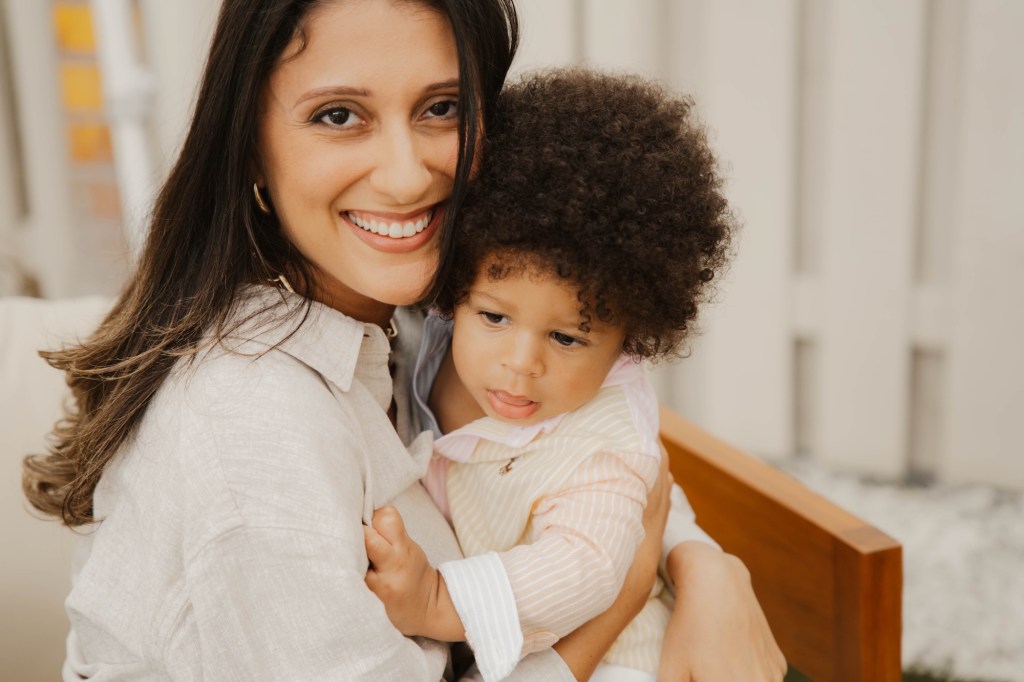
Mila Santana photo
For her, ambition is not about constant visibility. It is about building something sustainable. “The quiet sacrifice is stepping back from immediate momentum to build a healthy foundation,” she says.
For Monique González, better known as MoMo, motherhood did not mean choosing between two identities. It meant realizing those identities were always connected. Known for performances tied to the Miami Heat, major venues including Barclays Center, and collaborations with artists such as Pitbull, MoMo entered motherhood with the fear many artists experience: that becoming a parent might require stepping away from the dream.
Instead, she discovered the opposite. “I have lived two different lives,” she explains. “But the mom and artist have now integrated.” At first, she struggled with the pressure of trying to exist as both. Eventually, she realized the separation itself was exhausting. “The artist and the mother are the same person,” MoMo says. “Sometimes chaos, sometimes soothing.”
Motherhood did not diminish her ambition. It made her more intentional. “Some mothers let go of their dreams when they become moms,” she says. “I wouldn’t allow myself to do that.”
Her son Cairo has become her biggest supporter. “I never want him to think I stopped chasing my dreams.”
For artist Nikki Guerra, who performs alongside her husband Ariel de la Portilla in the Miami duo Mama Fuma, motherhood reshaped how she sees herself as a creator. There was a time when she felt divided between the artist and the mother. “At first, I was showing up depleted,” Guerra recalls. Eventually, she realized she did not need to choose one version of herself over another. “It made me more honest,” she says. “I’m presenting the truest form of myself.”
Singer-songwriter Mickey Blue understands that fear intimately.
Before becoming a mother, she worried that having a child would bring her career to an end. The reality was more complicated. The challenges came behind the scenes: postpartum struggles, sleepless nights, financial uncertainty, missed opportunities, and navigating an industry where women are often forced to prove their commitment after becoming mothers.
She missed a chance to travel to South Korea. She endured health challenges during pregnancy that affected her ability to sing. She learned to manage her time differently. But those challenges also strengthened her. “I’ve become a better artist and a better businesswoman,” Blue says.
Across Miami, these women are rewriting an outdated narrative that motherhood represents the end of artistic ambition. Their music has changed. Their priorities have shifted. Their definitions of success have expanded. Recognition still matters. Albums still matter. Performances still matter. But so does legacy.
Motherhood has too often been written as the final verse in a woman’s creative story, the moment when ambition fades into the background and the spotlight moves elsewhere. Adrienne Rich wrote about the tension between the lived experience of motherhood and the expectations imposed upon women. These artists are rewriting that narrative in real time. They are proving that motherhood is not a farewell to artistry. It is not an erasure of identity. It is another movement in the composition.
Their children may not remember every concert, recording session, or late-night rehearsal. They may not remember every sacrifice made behind the scenes or every opportunity their mothers quietly postponed. But they will remember something far more important: they watched their mothers choose creation over disappearance. They watched women who loved them fiercely continue to honor the dreams that existed before they were born. They learned that motherhood did not require becoming invisible. It meant carrying every part of themselves forward: the caregiver, the creator, the dreamer, and the artist.
And perhaps that is the greatest masterpiece these women will ever create.