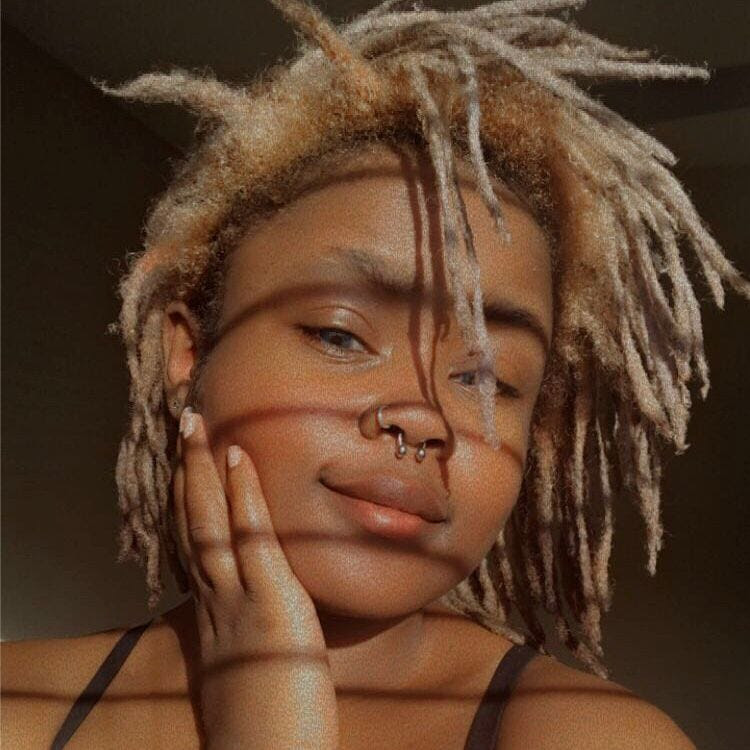
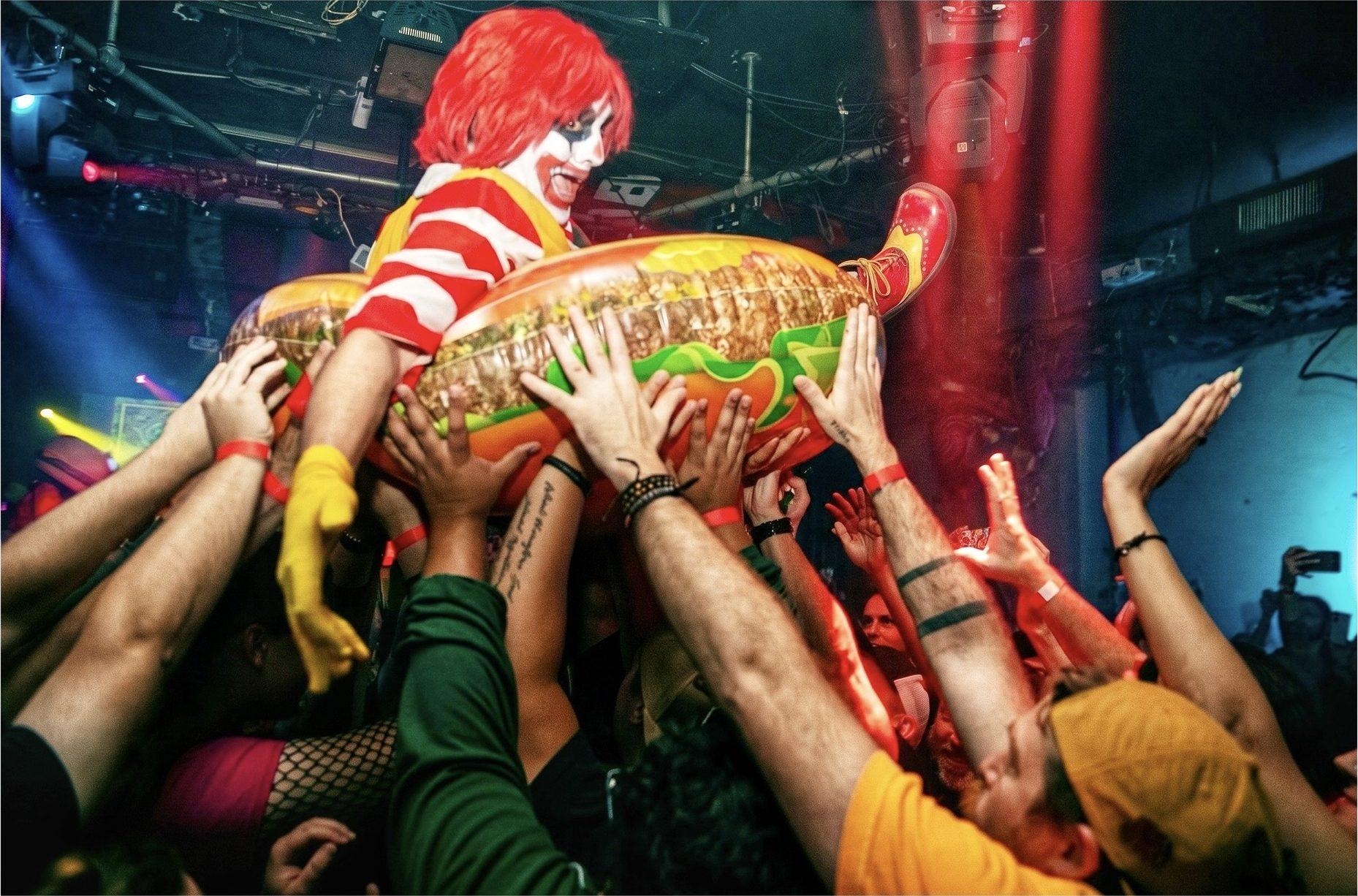
Photo by Maureen Roxanny

Audio By Carbonatix
When you see the coolest photo from an underground punk show, how often do you wonder how many beers got spilled on the photographer to land that one night-defining image? Or when you’re scrolling through an Instagram post, how likely are you to ask about the style choices that encapsulate the spirit of the show?
New Times reached out to four music photographers to learn more about the stories behind the storytellers: Who are the people capturing the moments that create the visual archive of our music scene?
April Nicole
April Nicole began her photography journey in her late teens and early-20s on the opposite side of the camera. As a model, she was often her own creative director, coming up with concepts and styling her shoots. She discovered her love for camerawork when she moved to Rome at the age of 23, and in 2020, she came to Miami as both a musician and a music photographer.
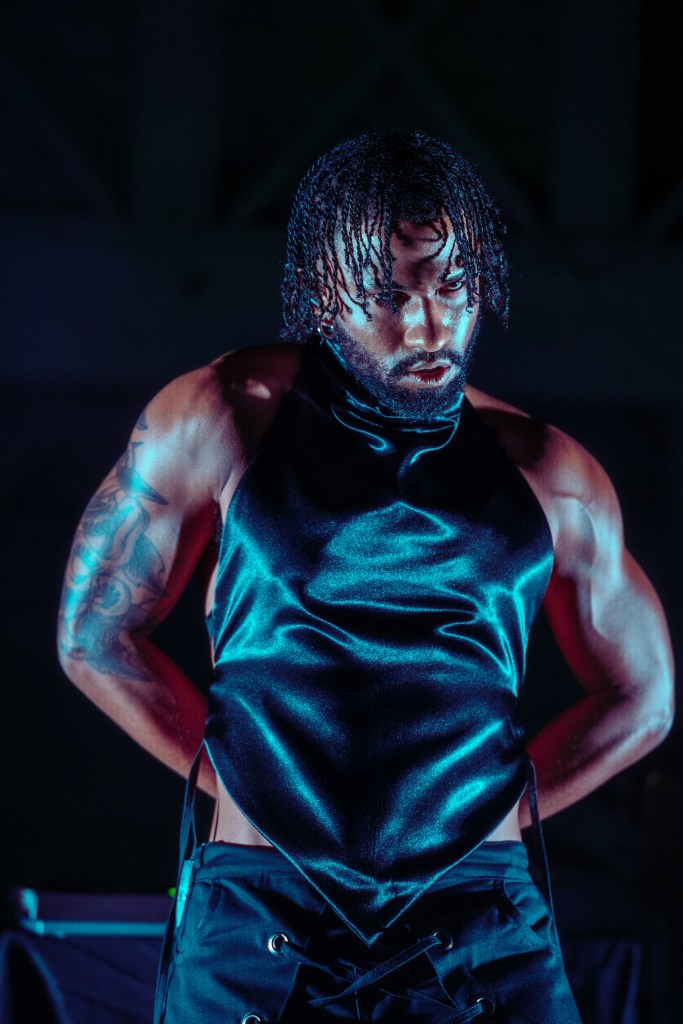
Photo by April Nicole
“I think in the modern musical world, there’s a lot of need and pressure to stand out,” says Nicole. “There’s so much going on in the world, and there are so many things reaching for our attention. You need to be noticed and remembered in a sea of people. So, the visual representation, I think, says a lot.”
Nicole points out that, in the music sphere, looks may precede sound — a trend she doesn’t necessarily agree with, but makes the most of.
“What I want people to see and take away [from my photography] is a glimpse of the artist’s essence,” says Nicole. “I hope that they see those artists with their passion and with their expression and with their style and just get a sense of who they are and their creativity, to see the image and feel some of that energy and personality.”
Nicole’s experience as a musician gives her a unique knack for photographing musicians: whether that means capturing the best angles or composing the most cohesive shots.
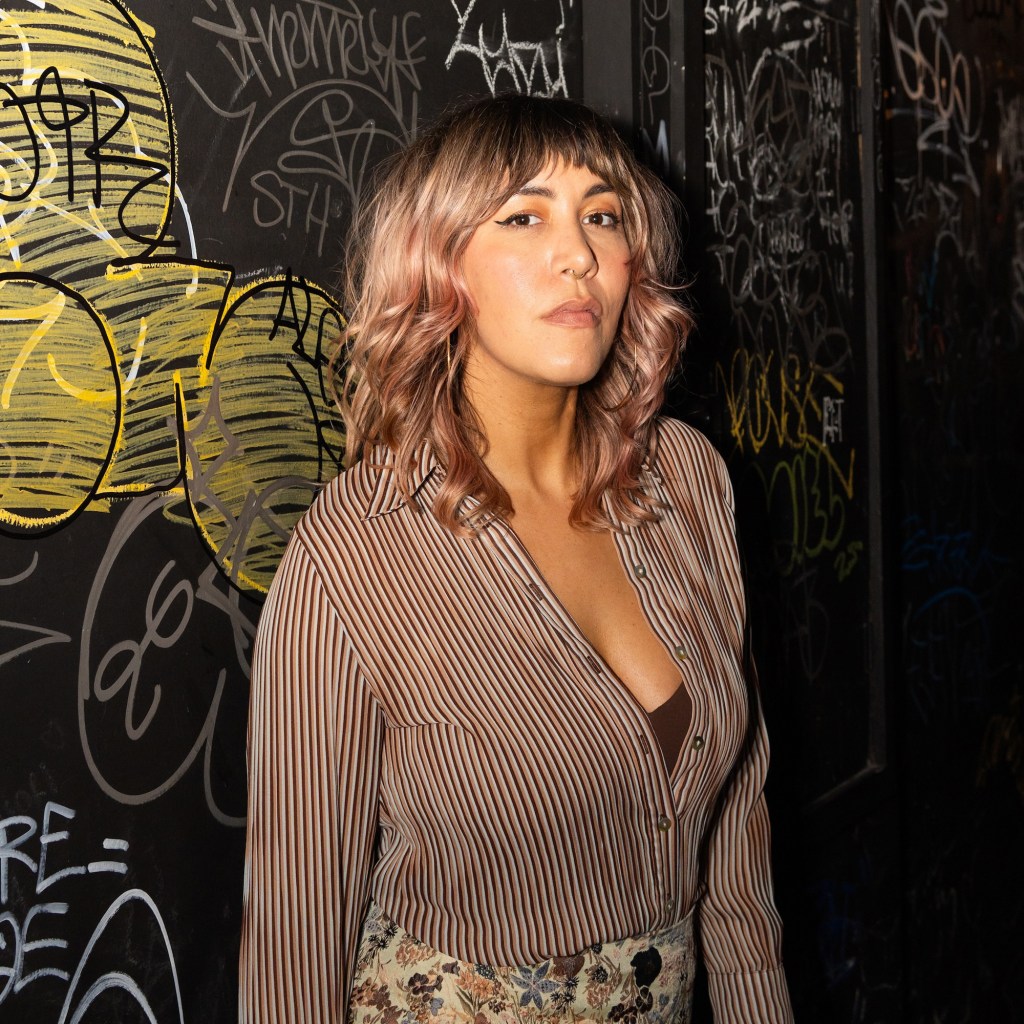
April Nicole photo
“I’d love to continue working more in the realm of music, whether that’s concert photography, shooting live session videos for artists, or artist portraits,” she says. “I think our image is another way of expressing our creativity and ourselves. For me, as a musician, I love the possibility to use performance as… another opportunity to give an artistic representation of self.”
Hydee Mustelier
IG: @hi__d
Hydee Mustelier started photographing when she was 15. She took film photography and yearbook classes in high school, and concert shoots came naturally after that: a marriage of music and images, storytelling and visuals. Currently the house photographer for Las Rosas and Churchill’s Pub, Hydee emphasizes the narrative elements of a show, capturing the “predominant energy in a space.”
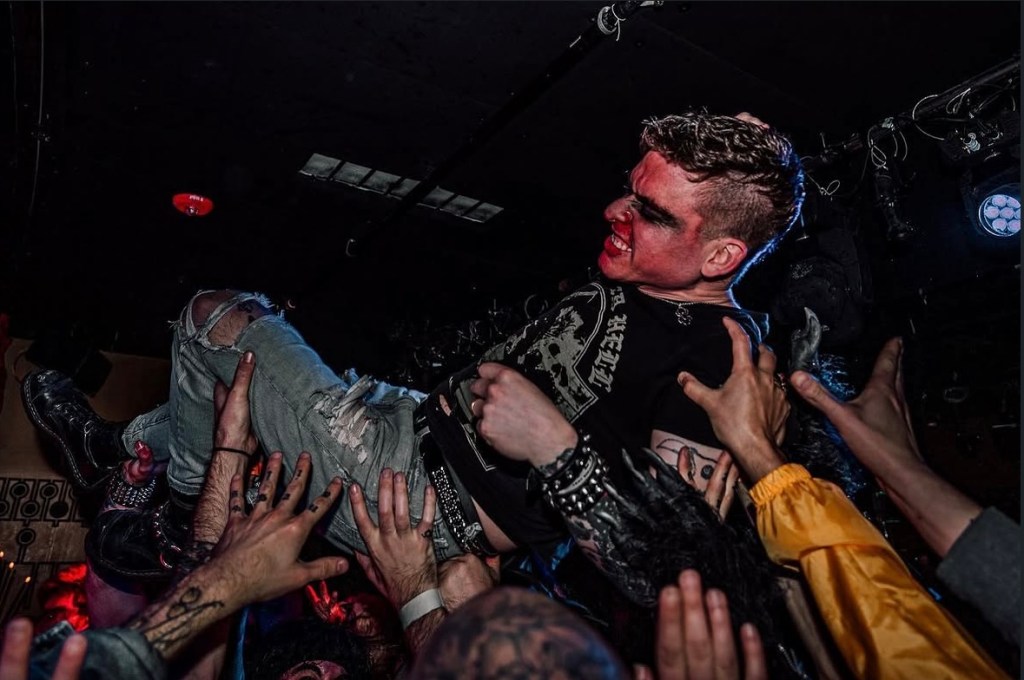
Photo by Hydee Mustelier
“I love a spectacle,” says Mustelier. “I love to see a bizarre or interesting performance. I really like theatrical bands, bands that incorporate a lot of performance art.”
For Mustelier, the element of movement inspires the narrative. Although an individual photo can tell a story, she often looks for a pattern or a particular arrangement in her work that best grabs the viewer’s attention.
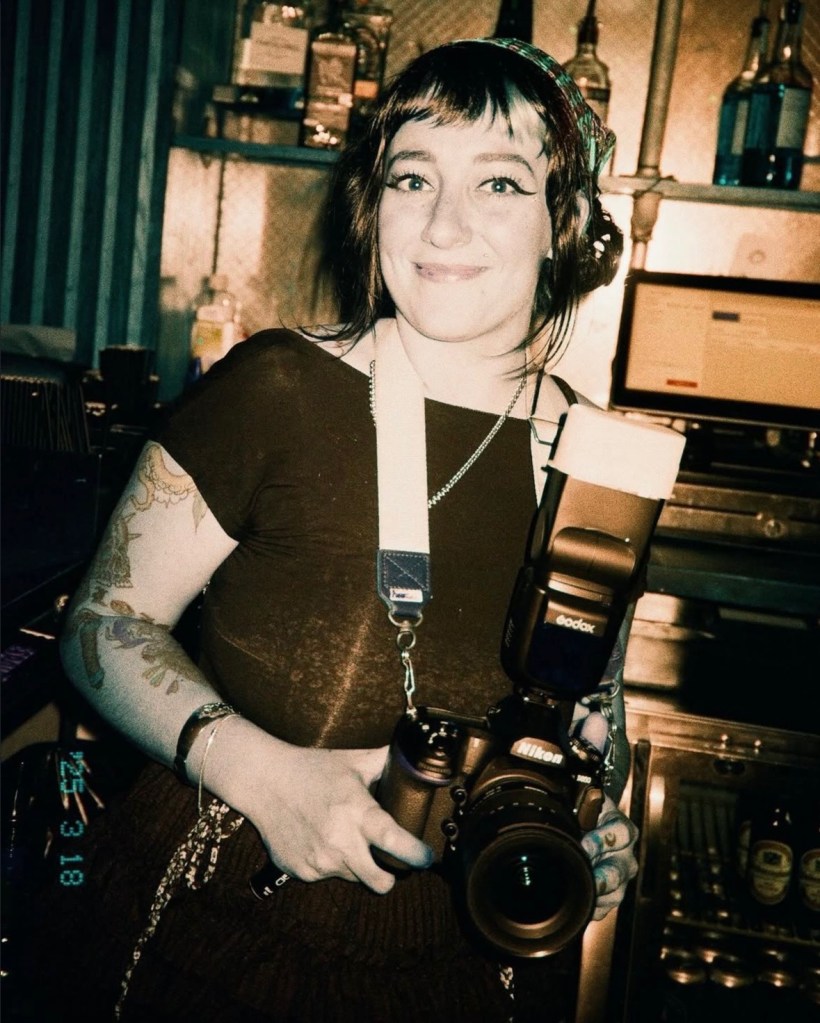
Sharing the images with the performers is also a priority for Mustelier, a way of honoring the subjects of her shoots. Other than through her lens, they would never be able to see “how cool they look,” she says. But it’s not just the composition of the photograph; edits play a big part, too. She tries to use the environment, and the mood, to determine how she edits her photos. She considers the edits to be the “brand” of the photographer.
Hydee Mustelier phot
“It’s a really wonderful feeling to capture someone in their element, when they’re at their most bold,” says Mustelier. “One of the things [I hope to do] is curate the photos I’ve already taken and put them in different collections… I’m also an illustrator and designer, and I want to rotoscope my photos. That’s kind of like my personal side quest.”
Maureen Roxanny
IG: @maureen.roxanny
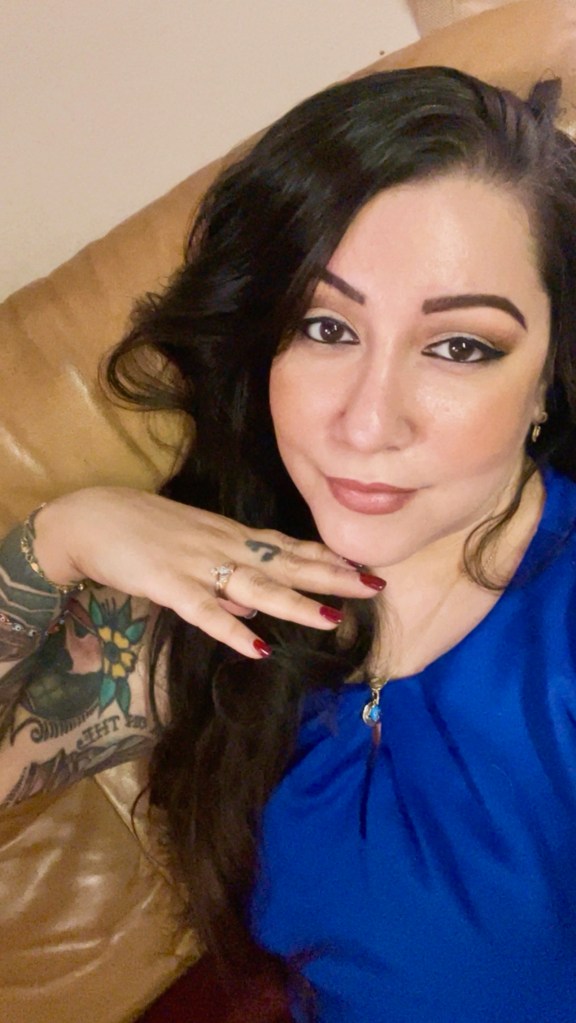
Maureen Roxanny began photographing as a way to document her life. She went to a house show in 2003 with a point-and-shoot, and by 2004, she was firmly entrenched in the music scene, photographing different Miami venues like Churchill’s and The Alley.
“Back then, there was hardly anyone documenting the scene,” says Roxanny. “It sucked because I was definitely the only female photographer out there. “
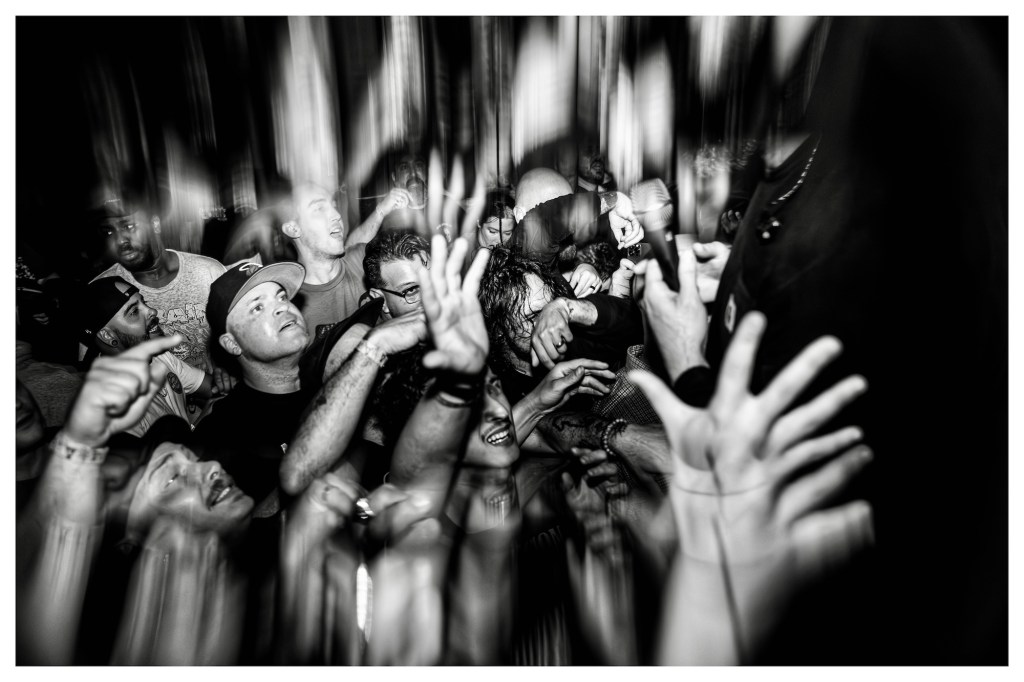
Photo by Maureen Roxanny
In the male-dominated space, Maureen forged her own way. For her, it’s not just about preserving the memory but “archiving our culture.” She’s always been passionate about photography and the documentation of events from different points of view. She believes all moments look different to different people, and the photographer’s opinion of their own work is of more value than what others think.
“I have this rule with myself that I don’t look at the pictures of what I take at the moment,” says Roxanny. “One, I’m trying to avoid getting kicked in the face or [having] my camera gear get hit by a stage diver. But two, it’s mostly because whatever I take, I take. I’m not trying to put this pressure on myself to get the best shots.”
Roxanny, who’s been part of the Miami music scene for decades, believes that it’s more about “being in the moment” than seeing if you got the perfect image.
“I can bring up a picture from 2016, and everyone can literally remember the ambiance of it, what bands played, what age we were, what our outfits were, I think it’s definitely a memorable thing that’s always trapped on a piece of paper,” says Roxanny.
Maureen Roxanny photo
But as younger concert photographers flood the scene, Roxanny is turning her attention elsewhere.
“I think I’m just gonna leave the music photography for like the new generation that can deal with the stage divers and things like that,” says Roxanny. “I definitely want to work on more street photography — life photography, you can say — because I think one of my biggest goals would definitely be having my photos displayed somewhere.”
Yuval Ofir
IG: @yophojo
Yuval Ofir considers his craft a “pandemic byproduct,” some mixture of soul-searching and chance that landed him firmly in the event world. Originally a writer, he moved from cell phone photography to a DSLR in 2022.
“I fell into concert photography because it was a natural kind of pairing with the coverage that I was doing through writing,” says Ofir.
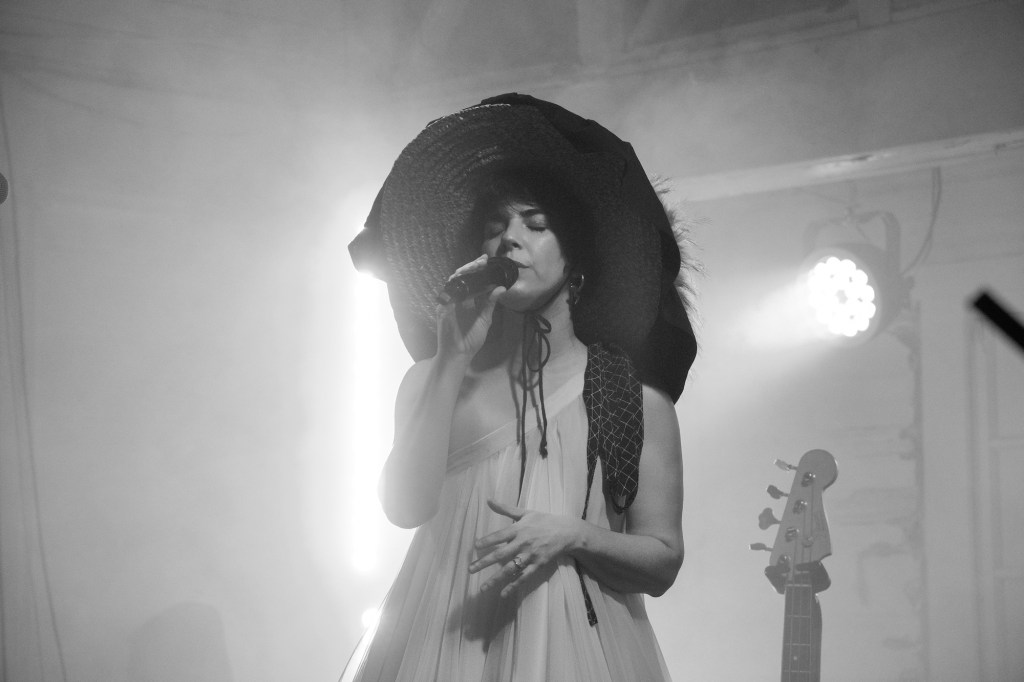
Photo by Yuval Ofir
Yuval doesn’t go for the “polished” look; he aims to capture the “in-between moments” of a night, whether amid set changes or backstage. He wants people to feel seen: whether it’s the talent performing, the audience watching, or the staff setting up. For him, style isn’t as important as vision.
“Memory, as we know, is very fickle and malleable and imperfect,” says Ofir. “I think that memory can’t help but be informed by or shaped by photography and, by proxy, the photographer’s vision.”
Because of the nature of his craft, he strays from heavy-handed edits, humorously mentioning that he “shoots analog on digital.”
“What I get in camera, that’s what it is,” he affirms. “I would say at this point, I use [Adobe Lightroom] mostly to crop and shift angles.”
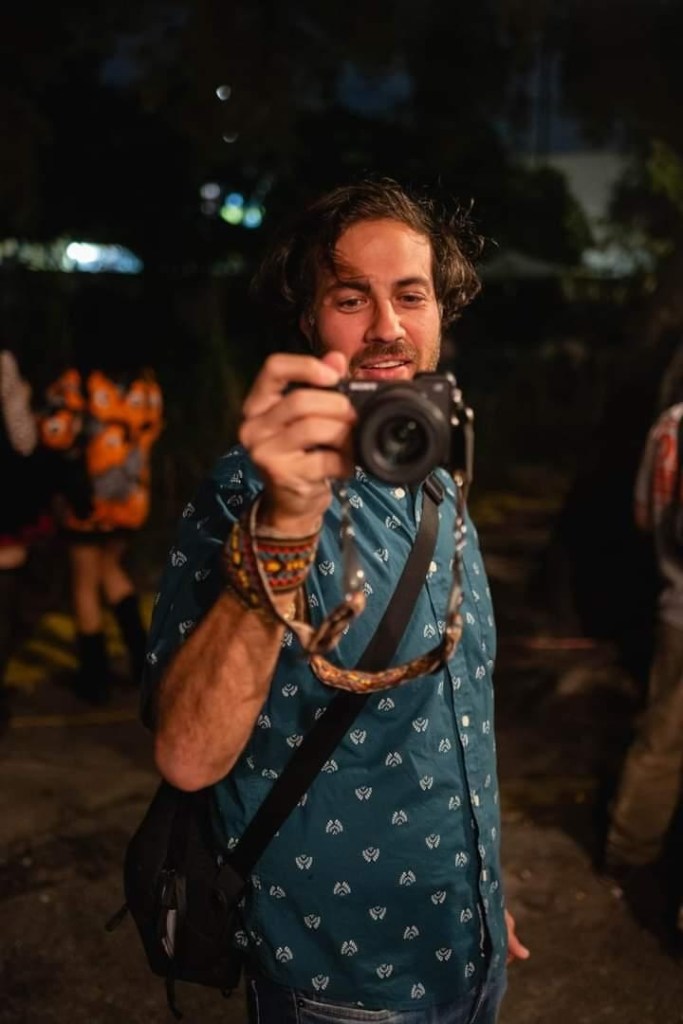
Yuval Ofir phot
Ofir is looking to use concert photography as a doorway into more creative work. He jokingly references the Cameron Crowe classic Almost Famous.
“I didn’t realize until I rewatched it like a few years ago how much that must have informed my subconscious identity-building,” says Ofir. “I would love to be able to, in that vein, pivot into doing more behind-the-scenes shoots with bands and musicians.”