
Photo by Paul Goyette/Flickr

Audio By Carbonatix
If you live in South Florida and drive a car, you’ve probably rolled past a Flock camera recently.
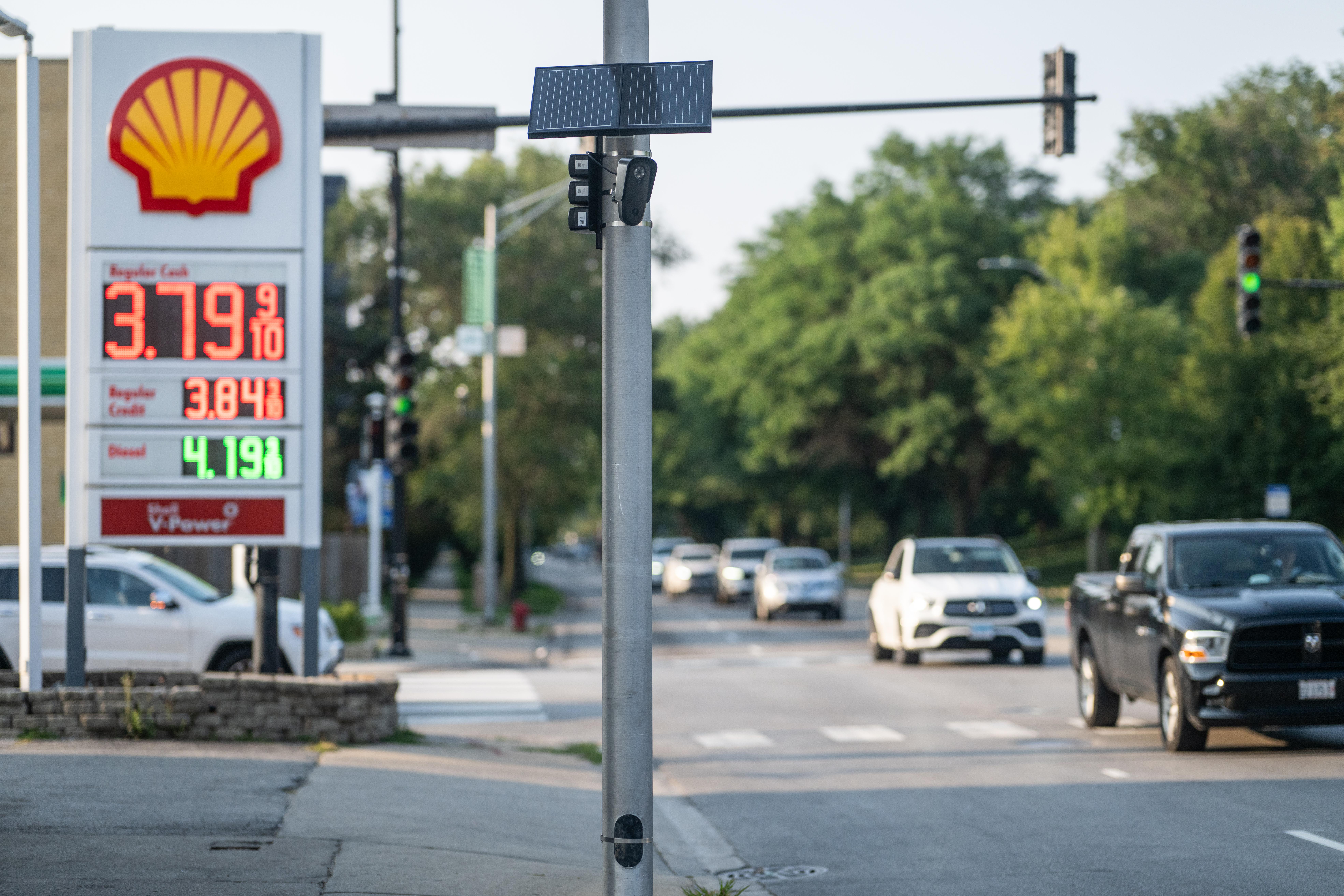
Flock Safety’s automated license plate readers (ALPRs) have spread rapidly across the country, scanning plates billions of times a month in every state except Alaska. More than 120,000 cameras are now in place, each logging the plate of every car that passes and uploading the plate number to a searchable database. The devices have drawn nationwide backlash from privacy advocates who say the cameras sweep up the locations of drivers suspected of nothing at all, as well as others who have pointed to reports about police misusing the systems to stalk their girlfriends and other romantic interests.
So, is there one near your house? On your commute? At that intersection you hit every single day? (Spoiler: almost certainly.)
While Flock doesn’t publish where its cameras are, a crowdsourced DeFlock Maps does.
The crowdsourced app aiming for “surveillance transparency,” pinpoints ALPRs, including Flock cameras, on a map, which uses crowdsourced data from DeFlock contributors and is powered by the open-source project OpenStreetMap. According to the app’s website, “Camera locations come from volunteers and the OpenStreetMap community, not a private company or government agency.”
Mapped devices include cameras from Motorola Solutions, Genetec, and other vendors, though Flock accounts for more than 80 percent.
“Mass surveillance infrastructure is expanding rapidly in our communities, often without public awareness or consent,” DeFlock’s user guide reads. “DeFlock makes surveillance infrastructure visible. By documenting these devices and uploading the data to OpenStreetMap, we create a transparent, searchable record of the surveillance apparatus in our communities. Knowledge is power, and transparency is the first step toward accountability.”
Using it is simple: type in an address and the map shows the cameras reported nearby. Volunteers have logged more than 1,500 Flock cameras across South Florida, including more than 300 in Miami-Dade County and close to 900 in Broward County.
As anger over police contracts with Flock has grown, some people have gone after the cameras themselves. In late July, The Guardian identified at least 33 cases across 23 states in which people damaged or destroyed the devices in apparent protest.
In Tennessee, an independent congressional candidate admitted to shooting four of them. In Winona, Minnesota, police found all eight of the city’s Flock cameras gone, the poles sawed off at the base, and the cameras tossed into the weeds. In New Mexico, police arrested a man on accusations of destroying 13 cameras; when asked whether he planned to keep going, he told local reporters: “Absolutely.”
And in Fort Lauderdale, police say someone recently “melted and slashed” two of them. They still don’t know who did it.