
Photo by Giorgio Trovato/Unsplash

Audio By Carbonatix
A microscopic parasite that causes weeks of watery diarrhea is making people sick across the country — including in South Florida, where health officials have reported more than a dozen cases in recent months.
The parasite, called Cyclospora cayetanensis, has sickened more than 1,700 people nationwide as health officials investigate a surge of cases across several states. Michigan, Ohio, New York, Illinois, Indiana, North Carolina, and Texas are among the states reporting infections, though it remains unclear whether the cases are connected.
While the parasite is rarely deadly, health experts warn that an infection can be far more miserable and long-lasting than a typical stomach bug.
Here’s what South Floridians should know.
What is Cyclospora?
Cyclospora is a microscopic parasite that infects the intestinal tract. People contract cyclosporiasis after consuming food or water contaminated with the parasite.
What are the symptoms of Cyclospora?
Symptoms usually appear about a week after someone is infected and can include frequent watery diarrhea, stomach cramps, bloating, nausea, fatigue, and loss of appetite. Unlike a typical stomach bug, cyclosporiasis can linger for weeks or longer, with symptoms that improve and then return.
How do people catch it?
Cyclospora does not spread directly from person to person. Instead, people get infected by eating or drinking something contaminated with the parasite. While investigators have yet to identify the source of this year’s cases, past outbreaks have been linked to contaminated fresh produce, including lettuce, basil, cilantro, salad mixes, and raspberries. In 2022, Florida health officials traced an outbreak to Caesar salad kits, resulting in 508 confirmed and probable cases statewide.
How many Cyclospora cases are in South Florida?
According to the Florida Department of Health’s reportable disease database, there have been 60 cases of cyclosporiasis reported statewide between January 1 and July 4. Sixteen of those cases were reported in South Florida:
- Miami-Dade County: 9 cases
- Broward County: 5 cases
- Palm Beach County: 2 cases
How can you avoid getting sick?
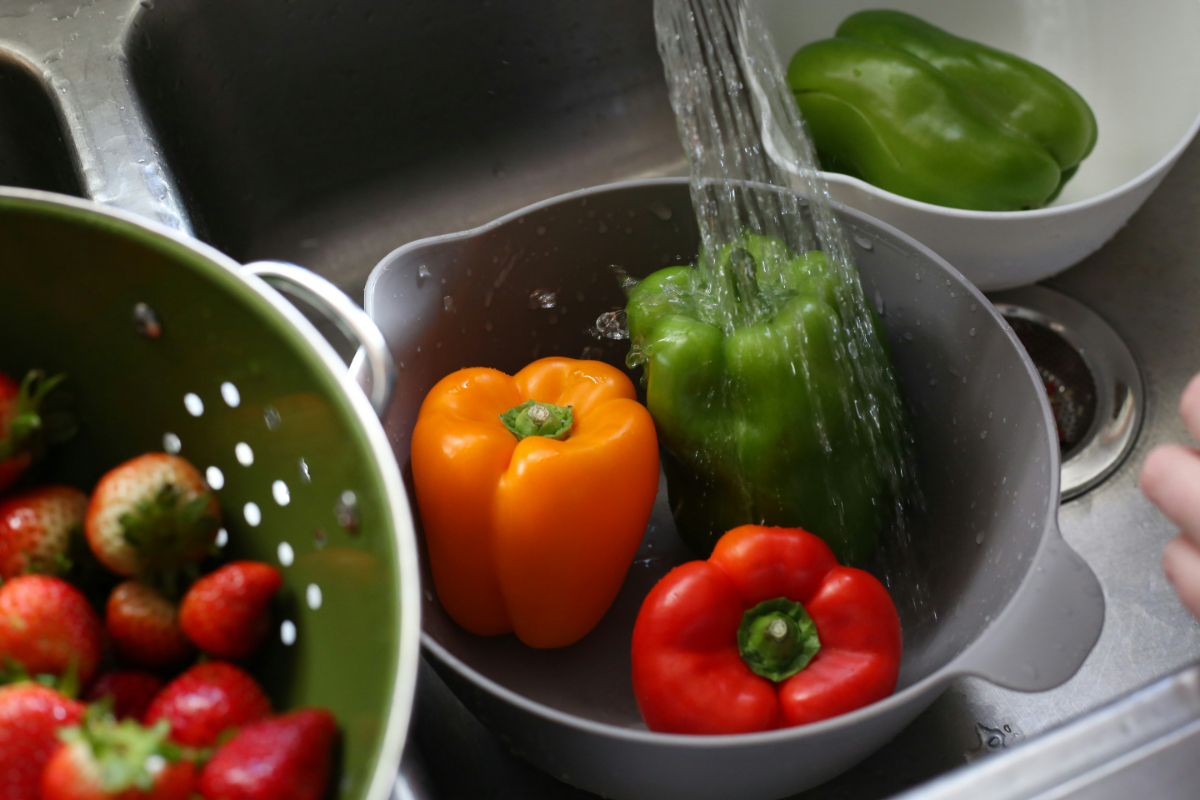
The safest way to prevent infection is to handle and prepare food properly. Experts recommend washing produce thoroughly and cooking fruits and vegetables when possible. Cooking food to an internal temperature of 158 degrees Fahrenheit or higher kills Cyclospora, according to the Michigan Department of Health and Human Services.