
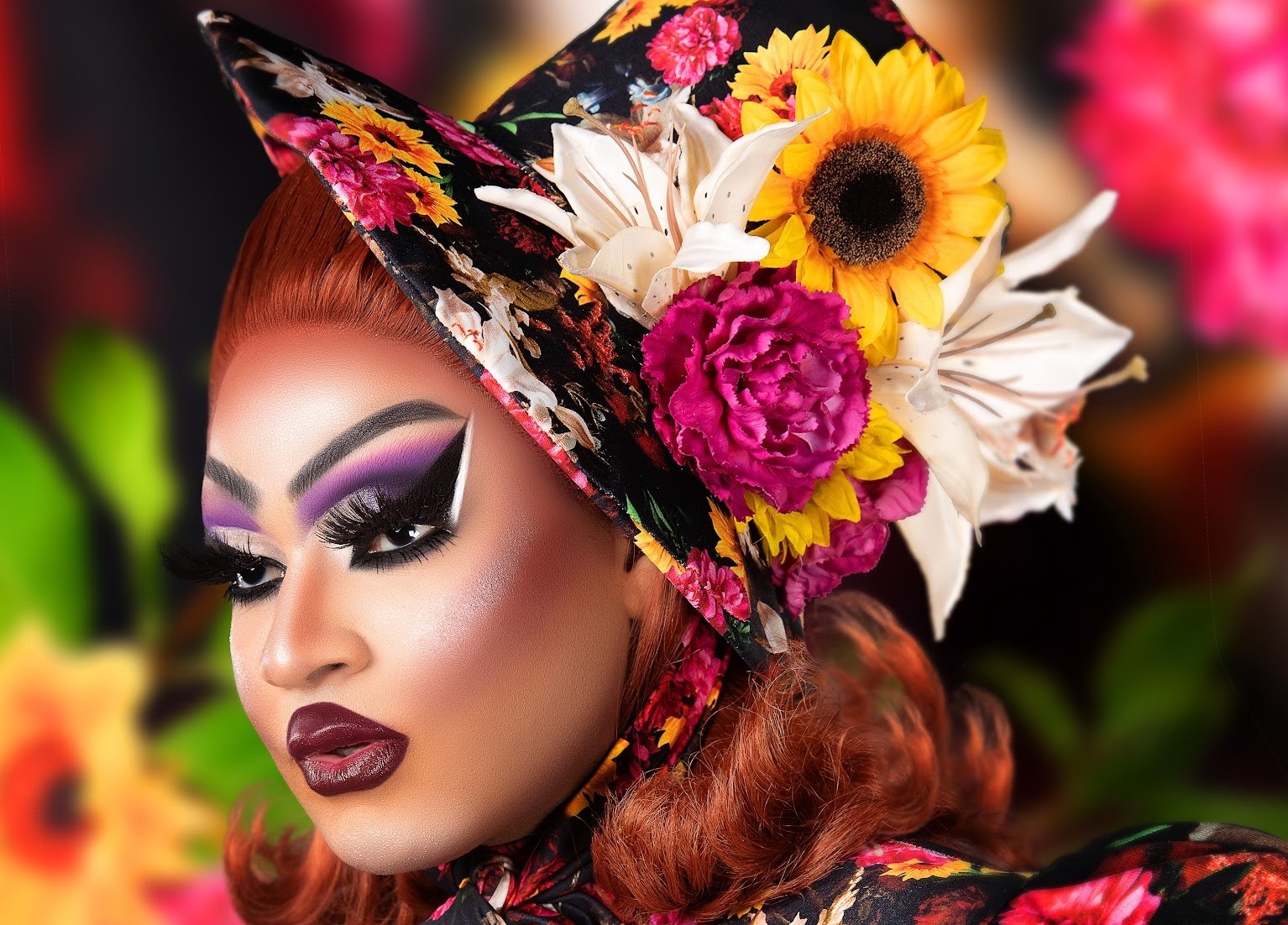
Photo by Erika Wagner

Audio By Carbonatix
Independent Journalism in Miami Needs You
We need to raise $10,000 by August 9 to support the reporting our community depends on. Reader support keeps us independent and is playing a larger role in funding local journalism and shaping what comes next. If you believe independent local journalism matters, make a contribution today.
South Florida is no stranger to fierce drag entertainers, but recently, particularly after the closure of vital queer spaces like Gramps in Wynwood and Spanish Marie’s Beer Garden in Kendall, local drag venues have dwindled, a loss that is deeply felt in a region long known for fostering the art form.
As a drag queen who’s performed in Miami, Miami Beach, Kendall, Fort Lauderdale, and West Palm for six years, I know there are many reasons for the shrinking number of host spaces in South Florida.
When drag nights get cut, performers hear a familiar refrain from venues: “Things just didn’t work out.” But as a performer, I know that too often partnerships with venues flop because spaces fail to take the necessary and proper steps to grow and uplift their shows and talent.
From an outsider’s perspective, it might seem that drag divas are asking for too much, but, in my experience, it’s often the venues themselves that are doing too little. As a series producer, for example, I’ve been told that asking for a private area to change or an extra $25 in the show budget to pay for a stagehand was over the top. But for a drag show or recurring series to be successful and long-lasting, venues need to invest in their entertainers and treat them with the respect they deserve — collaboration requires equal cooperation from performers and host venues.
For starters, promotion is crucial for any event, but especially for a drag performance. This art form is mainstream now — if people know about a drag night, they will show up. But these days, host spaces expect performers to do the bulk of the marketing, while the venue itself might post about the event once, twice, or maybe three times if they’re feeling generous. The math doesn’t add up. Venues have a healthy following of their own, whether on social media or through the community of regulars they foster, so letting customers know about upcoming shows (while performers promote to their own audiences) only maximizes reach.
Collaborating on content is vital. Making the flyer, making reels, tracking RSVPs — all while planning stunning looks and a stellar show — is a lot of work to fall on the shoulders of one sole drag queen. When venues don’t contribute, complaints of low attendance and lost revenue ring hollow.
Sadly, this is a problem so many drag producers face: Venues fail to take accountability for weak promotion on their end. I’ve heard, “The numbers just weren’t right,” too many times, but the numbers are always right when promotion is collaborative.
Getting from flyers to showtime is hard enough, but once we get into a venue, the facilities can leave much to be desired. You’d be surprised at some of the places where drag entertainers are asked to get dressed. I’ve changed inside a broom closet, a narrow food pantry, and even in a bathroom used by customers who were there to see me perform. The worst was when I had to change with my fellow performers in a tent outside in the dirt — and the sprinklers went off. Thousands of dollars’ worth of wigs and custom garments (with feathers!) were nearly ruined. Worse yet was the feeling that we’d been treated as less than any other artist worthy of respect for our existence and talent.
Drag performers are crafty and resourceful; we don’t need a warehouse with vanities and perfect lighting to impress. But a decent-sized private space where we can keep ourselves and our belongings safe goes a long way.
It’s Business 101: To see a profit, you must invest. Paid promotional ads, sound equipment, and mirrors are necessary tools for these shows to be successful.
Another essential business tip? Pay queens fairly and on time. Though we’re not on the venues’ payrolls, there’s no excuse for professional entertainers to be paid months after a show.
Having to hound venues for payment is bad enough, but it’s especially disrespectful when venues low-ball performers in the first place. Entertainers and DJs are offered scraps to make magic happen — putting on a fierce drag show with four queens and a DJ requires more than $300 (try doubling that). Optimizing venue conditions and paying performers a fair wage (in a timely manner) will result in great shows that attract repeat customers and, in turn, deliver a return on investment.
Even when these conditions are met, a drag series — and the scene overall — needs time to grow. Many venues, especially in South Florida, expect to hit the jackpot in sales and attendance from the start. When they don’t get the numbers they want quickly, they cancel shows after the first run. Performers need time to cultivate an audience, improve the show, and find their groove. Rome wasn’t built in a day, honey, so why should a drag show be?
I’m an optimist at heart, and I think if these venues take the time and energy to figure out how to improve on their end as they implement drag programming, South Florida can truly be a mecca of the craft once again, one where everyone — performers, hosts, and audiences — wins.
A successful drag show needs to be a well-oiled machine, because if one part messes up, it can trigger a domino effect that causes everything to fall apart. We have the building blocks to create a scene that better serves its drag entertainers, and that’s essential to keeping our local queer community thriving.