
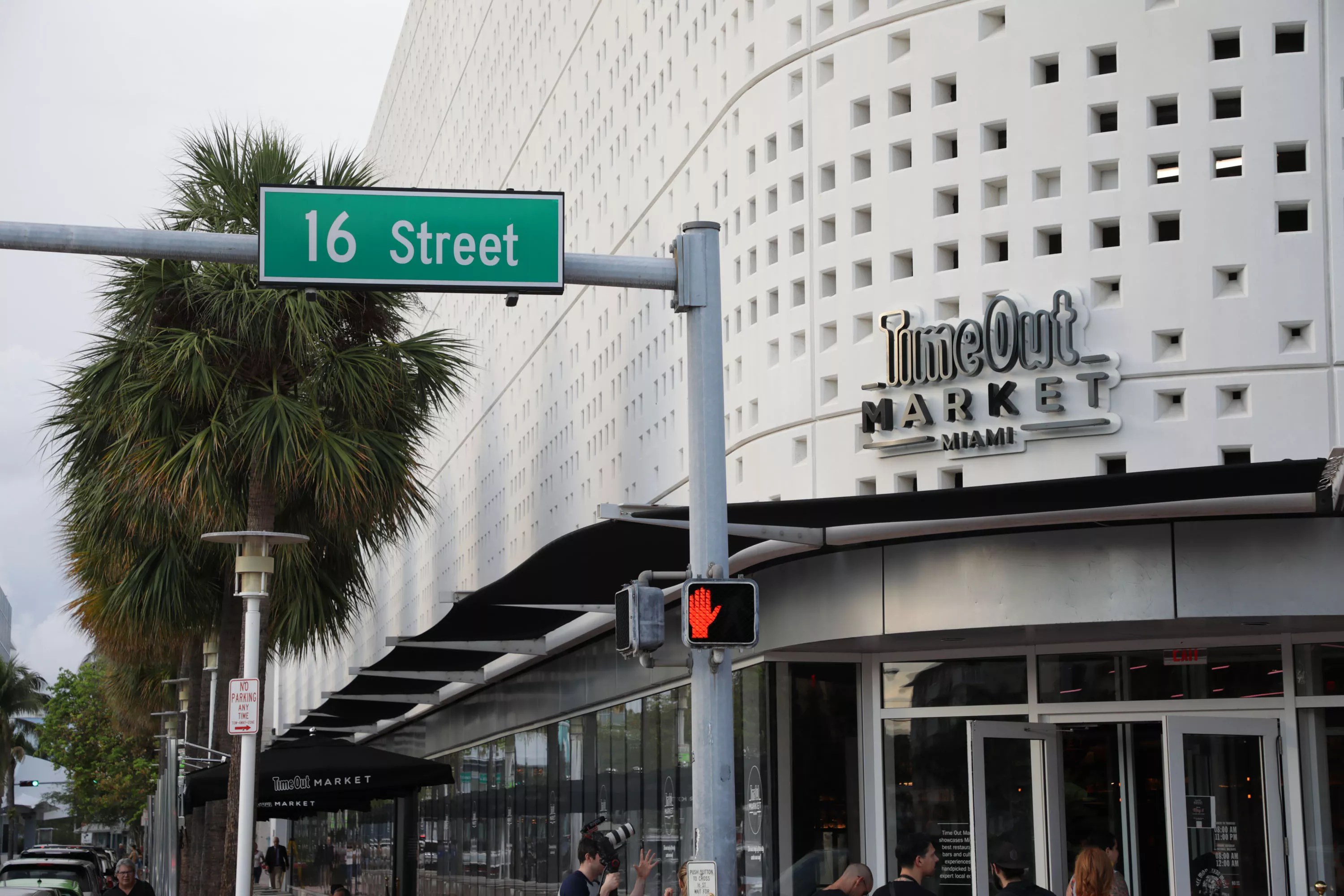
Photo by Deepsleep Studio

Audio By Carbonatix
If you have walked down Lincoln Road or Washington Avenue lately, you have likely noticed the gaps. Vacant retail spaces have become a persistent problem for the city’s most famous corridors, and the Miami Beach City Commission finally decided to take a hammer to the bureaucracy keeping them empty.
On February 9, the commission unanimously approved an ordinance temporarily deregulating how restaurants can move into these blocks, including easing rules to bring live music venues back to Miami Beach.
The move is designed to fast-track “qualifying” businesses into commercial spaces without the months-long headache typically found with a conditional use permit. It is a major shift in a city known for having some of the most rigid zoning and permitting hurdles in South Florida.

Photo by Leah Gabriel
The Return of Entertainment at Restaurants
Commissioner Alex Fernandez, who pushed for the policy, argues that the city’s own rules had effectively banned the very things that made Miami Beach a destination in the first place. During the commission meeting, he pointed to the Van Dyke Cafe, the legendary jazz bar that once anchored Lincoln Road and closed in 2013, as a prime example. Under the framework the city just scrapped, a restaurant like the Van Dyke would not have been allowed to open “as of right.”
By removing the requirement for conditional use permits, the city is opening the window for restaurants to move in without a public hearing. As reported by CBS News, this deregulation is intended to fill those empty storefronts faster by lowering the barrier to entry for operators who want to offer more than just a quiet meal.
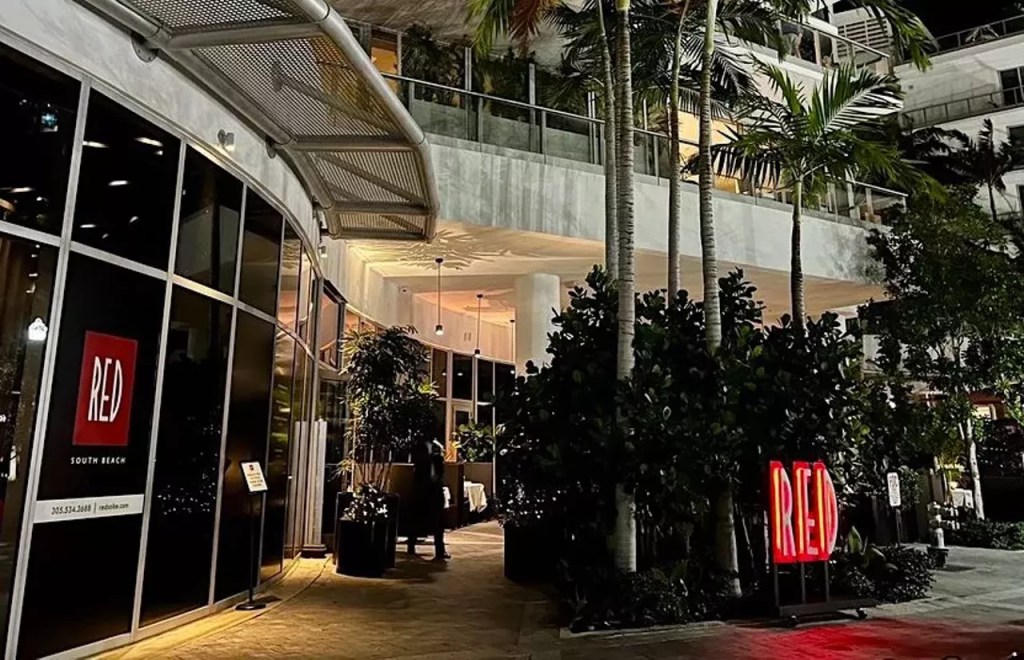
Red South Beach photo
Raising the Occupancy Ceiling
The most technical change in this ordinance involves the occupancy threshold. In the past, any restaurant with indoor entertainment was capped at 200 people. If they wanted to host more, they were forced to go through a lengthy, expensive approval process. That cap has now been raised to 750 people.
This jump allows mid-sized venues to open their doors and start hosting live sets without spending a year getting a permit. For businesses that are already up and running with a capacity of under 750, the process is even simpler. Instead of filing new applications, they can update their certificate of use or business tax receipt to include live indoor entertainment. Mayor Steven Meiner summarized the goal by stating the city is cutting red tape while keeping standards high so “responsible businesses” can bring some energy back to the streets.

Yard House photo
Specific Corridors and Strict Boundaries
This is not a citywide free-for-all. The commission has targeted five specific areas that they believe need the most help. The deregulation applies to Lincoln Road between Collins and Alton, Washington Avenue from Fifth to Lincoln, and 41st Street between Alton and Pine Tree Drive. It also includes Collins Avenue between 65th and 75th streets, as well as the 71st Street and Normandy Drive area.
Lyle Stern, president of the Lincoln Road Business Improvement District, noted that these restrictions have historically kept the business community from being competitive. However, the city also established clear boundaries. The program explicitly forbids outdoor entertainment, open-air rooftop venues, and adult entertainment.
The commission made it clear that this is a “proactive business tool” with plenty of strings attached. Any business that violates city codes or abuses the streamlined process faces immediate revocation.
This policy follows a string of other recent reforms, including same-day permitting for interior commercial work and the waiver of certain municipal fees. For now, the city is betting that less paperwork will lead to more energy.