
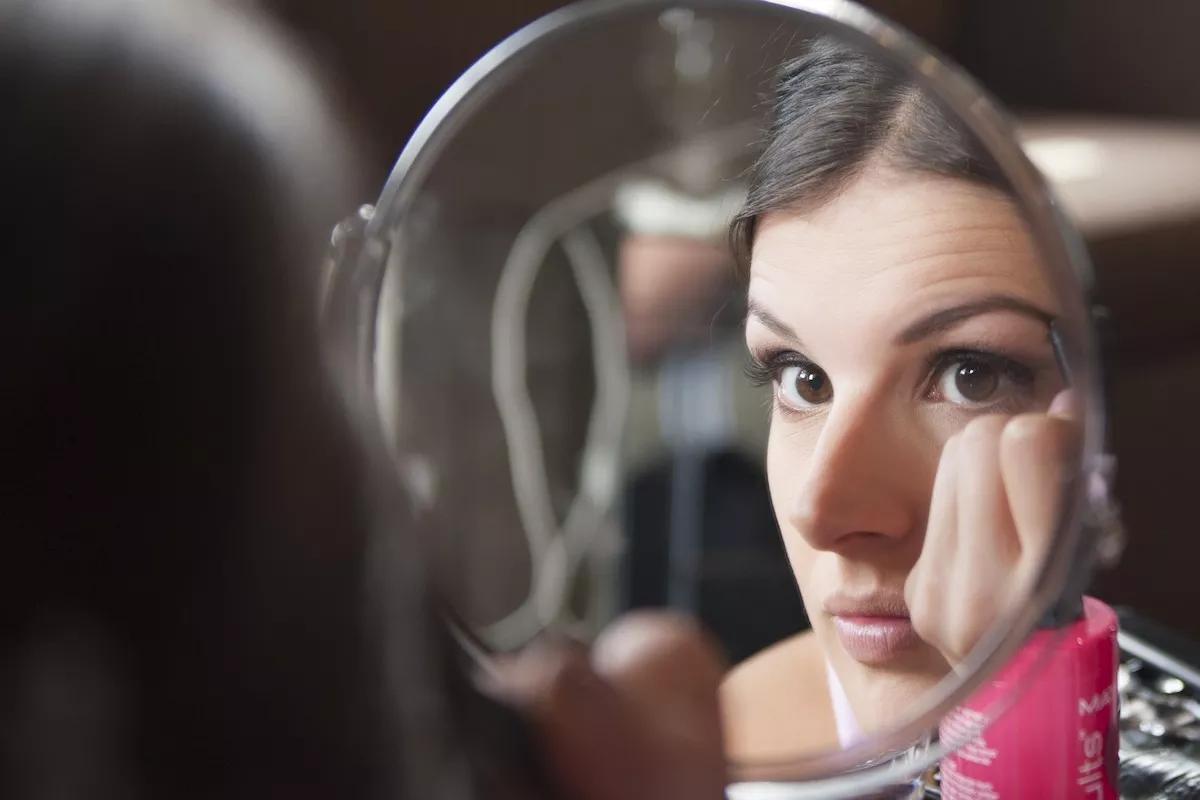
Photo by Keith Ellwood / Flickr

Audio By Carbonatix
Independent Journalism in Miami Needs You
We need to raise $10,000 by August 9 to support the reporting our community depends on. Reader support keeps us independent and is playing a larger role in funding local journalism and shaping what comes next. If you believe independent local journalism matters, make a contribution today.
Miami is often said to be home to some of the most beautiful people on Earth, but unlike Beyoncé, most of us didn’t just wake up like this. A new study from medical supplier Medica Depot recently ranked Miami one of the most beauty-obsessed cities in the U.S., coming in behind only New York City and Los Angeles.
The study analyzed a year of Google Trends and search data across 50 U.S. cities, tracking activity across nine key categories – skincare, makeup, hair care, nail care, body care, salon, spa, Botox, and dermal fillers (Medica Depot supplies some of these products, including the latter two). Miami’s “strong search volume around spa treatments, injectables, and body care” contributed to its high overall ranking.
The study also isolated rankings for individual search categories, including skincare, makeup, and anti-aging treatments. Miami came in at number one for skincare-related searches. Medica Depot attributes this to residents’ “year-round sun exposure and a culture rooted in personal care.” We also placed in the top five cities for makeup searches – the company calls us “a style-conscious city where bold, polished looks are part of the daily aesthetic.”
In case you were wondering, not every city is as concerned with image as we appear to be. The study also ranked the least beauty-obsessed cities in the country. Among the places that seemed to surprise researchers: Portland, Oregon, which ranked low “in traditional beauty metrics like salon visits and skincare” despite its interest in holistic wellness; San Jose, California, which “lagged behind in search interest for aesthetics and personal care,” and Seattle, Washington, where “a strong wellness culture didn’t translate to beauty interest.”