
Iron Peptides

Audio By Carbonatix
The following is sponsored content by Iron Peptides.
For people seeking new ways to deal with weight loss, the effects of aging, injury recovery, and performance, peptides may provide the breakthrough they seek.
For over a century, peptides have played a key role in therapeutic medical treatments, most notably as insulin to treat diabetes. But in recent years, use of peptides has exploded in the health and wellness scene. That’s because peptides are short chains of amino acids that act as signaling molecules in the body, influencing hormones, metabolism, immune responses, and tissue repair.
In medicine, according to researchers at Iron Peptides, synthetic peptides are designed to mimic or modify these signals; they can be formulated as injections, topical creams, oral tablets, or nasal sprays. The most visible trend is metabolic and weight-loss peptides that reduce appetite, improve blood sugar, and produce substantial weight loss. Wellness clinics and med spas also market peptides as a path to faster injury healing, better sleep, muscle gain, skin rejuvenation, libido support, and “anti-aging.”
For Iron Peptides, a Midwestern manufacturer of peptides, it’s more than just another health and wellness fad. The company has built its business on one simple promise: lab-made, tightly controlled peptides for research and medical use. Iron Peptides makes its products in-house, from raw materials to final testing. With its U.S.-based lab, it is focused on precision synthesis and consistency, unlike a compounding pharmacy or a white-label reseller.
With more than a decade of experience, medical-grade standards, and a closed-loop supply chain that never leaves the company’s hands, Iron Peptides carefully vets every supplier that feeds into its production line and keeps tight oversight on purity and potency at every step, according to company executives. For researchers watching the explosion of peptide clinics and gray-market injectables, that attention to sourcing and control is crucial.
Below is a closer look at four of Iron Peptides’ flagship products, and how they can be used as wellness treatments for anyone tracking the peptide boom.
Iron Peptides
Wolverine Stack Peptides
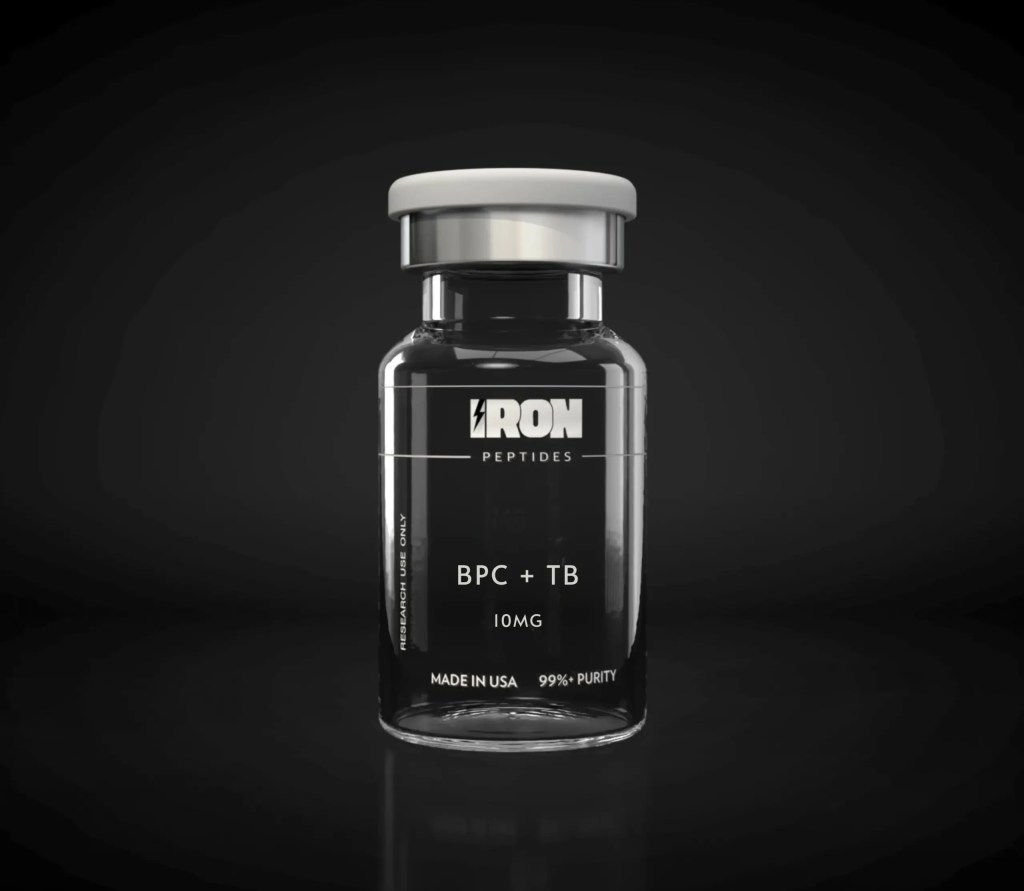
Iron Peptides’ Wolverine Stack peptides bundle two of the most well-known “healing” peptides in lab circles: BPC-157 and TB-500. Working together, these peptides are designed to track how cells respond to injury, how blood vessels grow, and how tissues rebuild themselves over time. In simple terms, the blend is meant to help scientists map what happens from the first moment of damage to the slow, complicated work of repair.
BPC-157 is a small fragment originally linked to proteins in the stomach. In lab models, it has been probed for how it might affect blood flow, cell survival, and the way cells communicate under stress. TB-500, built from a piece of a naturally occurring protein called thymosin beta-4, is more about structure and movement. It has been studied for its impact on the internal “scaffolding” of cells — the actin system that helps them move, line up, and organize into tissue.
Instead of doubling up on one effect, BPC-157 and TB-500 are studied for how they might each influence separate choke points in the healing process: early cell recruitment, how the matrix around cells is rebuilt, how new blood vessels sprout, and how the body shifts from inflammation to remodeling. In the lab, that gives researchers a way to watch multiple phases of recovery at once with a single combination rather than trying to stitch together separate experiments.
MOTS-C Peptides
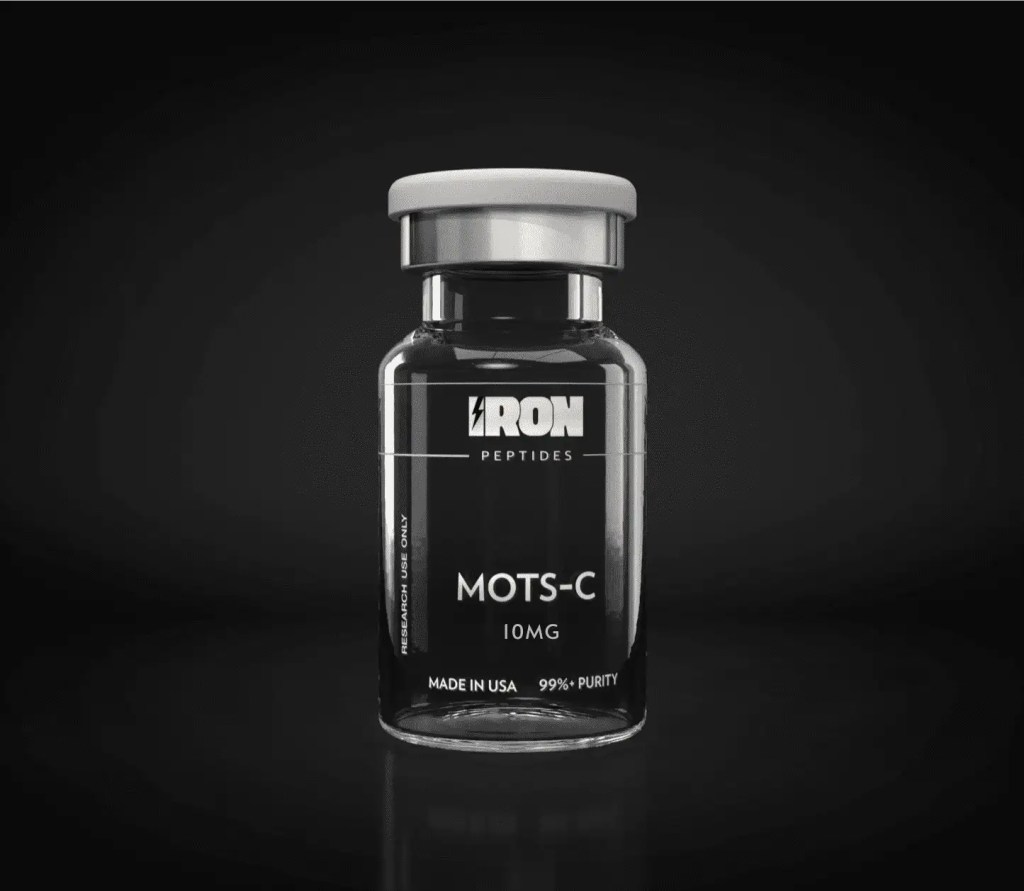
Another Iron Peptides offering, MOTS-C, comes out of one of the buzziest corners of biology: mitochondria, the tiny power plants inside cells. Unlike many peptides coded in the main genome, MOTS-C is encoded in mitochondrial DNA and has become a hot target for researchers looking at metabolism, aging, and stress resilience.
In straightforward terms, MOTS-C is being studied for how it nudges the body’s energy systems. In animal models, it has been linked to activation of key energy-sensing pathways, better use of glucose, and more efficient burning of fat. That makes it a candidate for research into weight control, insulin sensitivity, and exercise performance — areas where peptide-driven shortcuts attract big hype and equally big scrutiny.
Scientists are also probing how MOTS-C behaves as the body ages. Levels of the peptide appear to drop over time in experimental settings. Giving MOTS-C to older animals has been tied to better fitness, stronger metabolic responses, and markers of longer “healthspan,” not just lifespan. For Iron Peptides, that makes MOTS-C a flagship product for labs chasing the intersection of metabolism and aging.
Iron Peptides
Ipamorelin Peptides
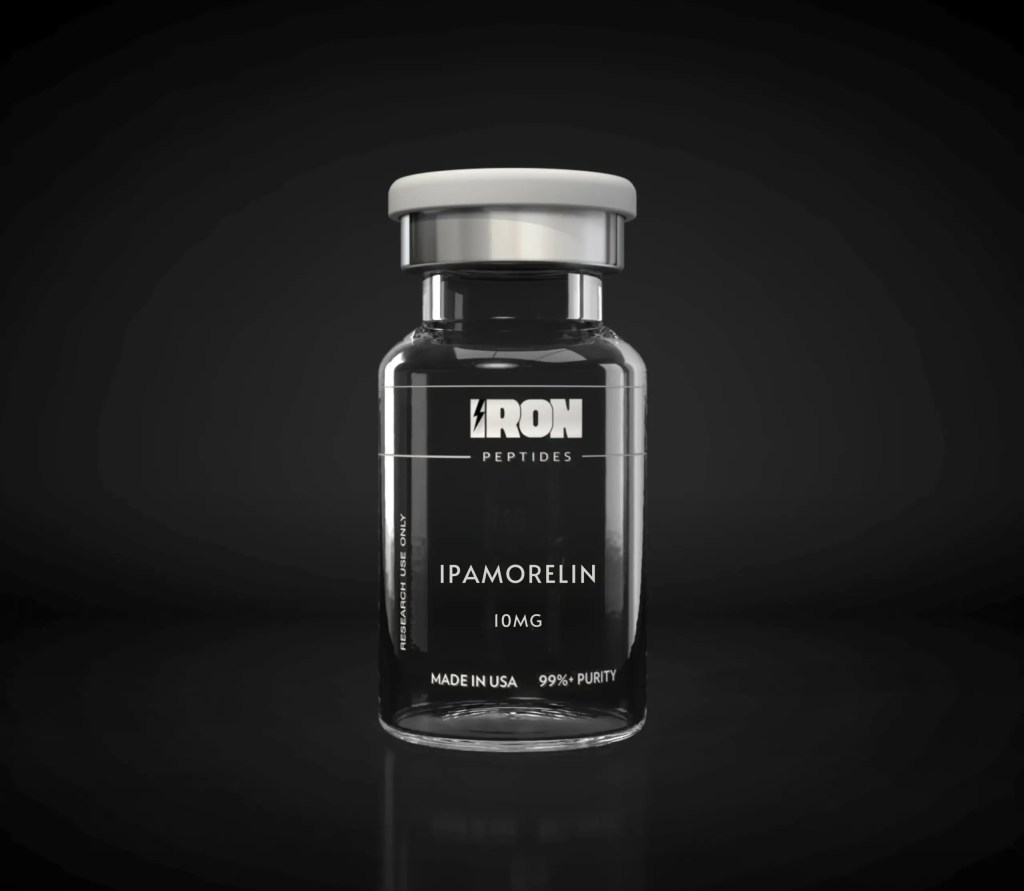
Ipamorelin is Iron Peptides’ nod to the long-running fascination with growth hormone. It is a small, lab-designed peptide that binds to the same receptor as ghrelin, the so-called hunger hormone, but with a narrower focus. In research settings, it is used to trigger growth hormone release from the pituitary gland without kicking up other hormones like cortisol and prolactin that earlier compounds were known to disturb.
As explained by scientists at Iron Peptides, ipamorelin is a tool for probing how growth hormone affects tissue repair, muscle maintenance, and fat use. Studies in animals and controlled lab systems have linked ipamorelin to increases in growth hormone that track with signals for muscle recovery, cell renewal, and possible shifts in fat metabolism. That has made it popular in performance-oriented research, where scientists look at how growth hormone pulses might shape recovery, body composition, and sleep-related repair.
Iron Peptides is careful to frame ipamorelin as a research-only product. It is not approved as a treatment, and the company underscores that it is meant for controlled lab use, not injections in a clinic or at home. In a marketplace where growth hormone-linked peptides are pushed as quick fixes, that distinction matters. It also positions Iron Peptides as a manufacturer that follows regulatory guidelines while still serving a booming niche.
Iron Peptides
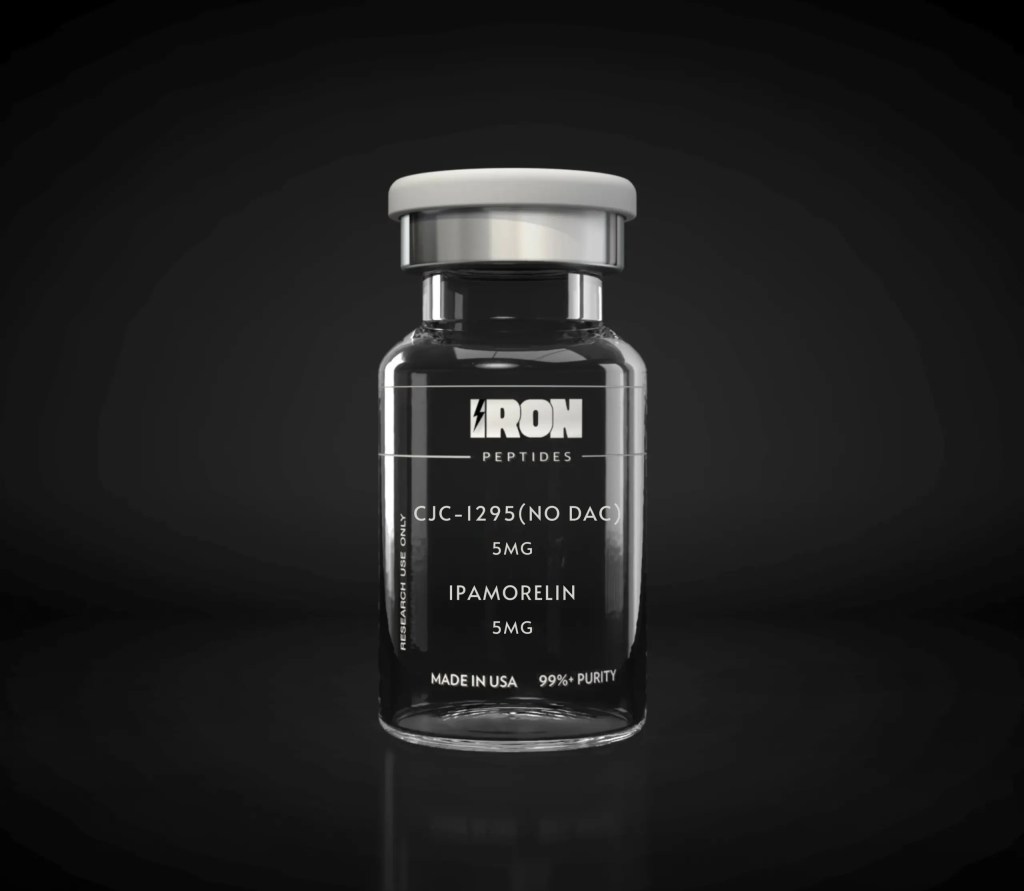
Ipamorelin / CJC-1295 No DAC Peptides
If ipamorelin is a single-channel growth hormone switch, Iron Peptides’ combination of Ipamorelin with CJC-1295 No DAC is a dual-control board. The blend is built on a simple research idea: hit growth hormone release from two angles — one through the ghrelin receptor, one through the growth hormone-releasing hormone (GHRH) receptor — and watch what happens.
Ipamorelin provides the ghrelin-like signal, nudging the pituitary gland to release growth hormone without dragging up a wave of other stress hormones. CJC-1295 No DAC, also known as Mod GRF 1-29, is a shorter-acting version of a GHRH analog, designed for pulsed hormone release rather than long, flat exposure. Together, the combination allows researchers to study how coordinated bursts of growth hormone might translate into changes in muscle repair, protein synthesis, and fat burning.
In animal and pre-clinical models, the pairing has been used to look at muscle growth, tissue healing, collagen production, and shifts in how the body mobilizes stored energy. As with Iron Peptides’ other offerings, the company stresses that this combo is for research only. Still, the very existence of a packaged blend aimed at “synergy” shows how far the peptide trend has moved — from single compounds toward stacks designed to push several levers in the body’s repair and growth machinery at once.
For now, Iron Peptides is staking out a middle ground: catering to that demand with American-made, tightly controlled products while insisting that its peptides stay inside the lab.