Books & Books photo

Audio By Carbonatix
As a bookseller for 40 years and a founder of the Miami Book Fair, I’ve seen the power of literature to open doors for young people and adults alike. I’ve watched teenagers debate novels, and their parents discover new voices. I’ve seen whole communities come together around shared stories. Books open minds and inspire community.
Alarmingly, proposed legislation in the State Legislature, HB 1119 and its Senate companion, SB 1692, would require schools to further stifle this spirit of open-mindedness. The bills would build on existing law that already drastically constrains how Florida schools respond when someone objects to a book.
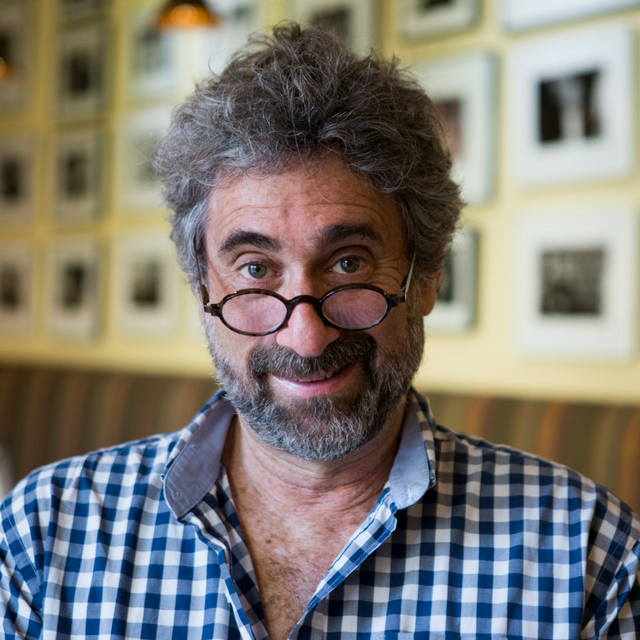
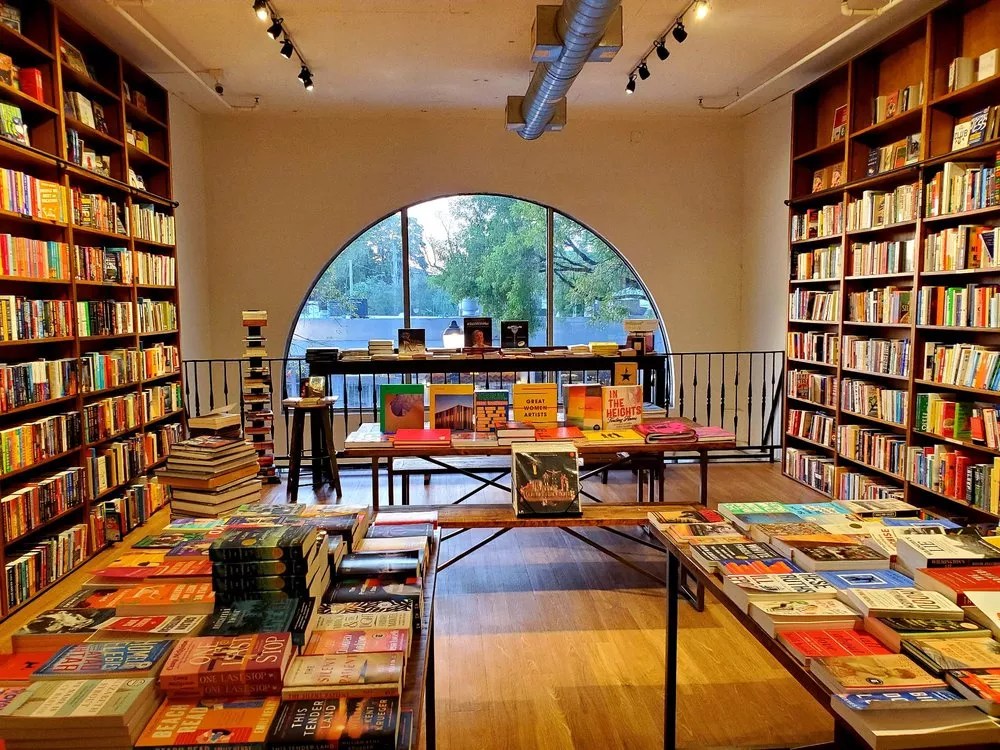
I have run Books & Books, the independent bookstore in Miami, since 1982 and helped start the Miami Book Fair in 1984 with a simple but powerful belief: stories build community. Over decades, I have watched books connect neighbors, welcome newcomers, and help young people find their voices. I have shared countless works that helped Florida better understand itself.
I have brought many notable authors to Miami over the years, including Toni Morrison. When Morrison came to the Miami Book Fair, she did not bring provocation; she brought depth, rigor, and moral seriousness. She challenged readers to think more honestly about history, identity, and responsibility. Removing her books from school shelves strips students of that same encounter.
According to PEN America’s latest reporting, Florida has become the nation’s leading book-banning state, and these new bills threaten to worsen an already dire crisis.
In line with best practices for reviewing book challenges, educators should consider a work in its entirety and weigh its purpose, context, and value to students. This approach reflects a fundamental truth about literature: meaning depends on context. A paragraph does not stand on its own, just as a scene cannot explain itself without the story surrounding it.
HB 1119 would force educators to abandon that understanding. The bill requires schools to judge books by isolated passages rather than by the work as a whole. It lowers the bar for removing books and restricts how educators assess a book’s value. Florida legislators took this same approach in 2023, when they banned all materials with “sexual conduct” from schools – a provision ruled unconstitutional by a federal district court last summer. But students have already suffered the consequences. Faced with vague standards and real consequences, schools choose the safest route. They pull the book. Shelves empty quietly, not because the work fails students, but because the law discourages thoughtful judgment. And yet, legislators are trying again.
Under HB 1119, a book by Toni Morrison could be treated as harmful to all high school students based on any reference to sexual violence or a single sexual scene or passage, though the book appears on nationwide reading lists. Even when a scene from one of Morrison’s books serves a clear literary, historical, or moral purpose, when the work as a whole condemns violence or exploitation rather than glorifying it, and when trained educators teach the book carefully and responsibly, this legislation still allows the book to be removed.
HB 1119 takes Florida in the wrong direction. It replaces a communal spirit and literary exploration with suspicion. It turns schools into battlegrounds instead of places of discovery. It sends the dangerous message that people should police ideas rather than discuss them.
Florida deserves better.
The literary culture we have built at Books & Books and the Miami Book Fair stands as a testament to what becomes possible when we invest in literacy, celebrate storytelling, and create spaces where books connect rather than divide us. Florida lawmakers should follow that example.