
Photo by Vacla Zilvar/Adobe Stock

Audio By Carbonatix
A Miami wildlife attraction that sells close encounters with wild animals has been cited by federal inspectors after an endangered clouded leopard lost a leg and a capybara was killed during separate breeding attempts, according to records released by PETA.
The U.S. Department of Agriculture last month cited Zoological Wildlife Foundation, or ZWF, after PETA filed a complaint accusing the facility of failing to protect animals placed together for breeding. The news comes after PETA asked USDA to investigate the facility, citing state records showing that employees and visitors, including children, had been bitten or clawed by captive animals at the Homestead facility between January 2022 and May 2024.
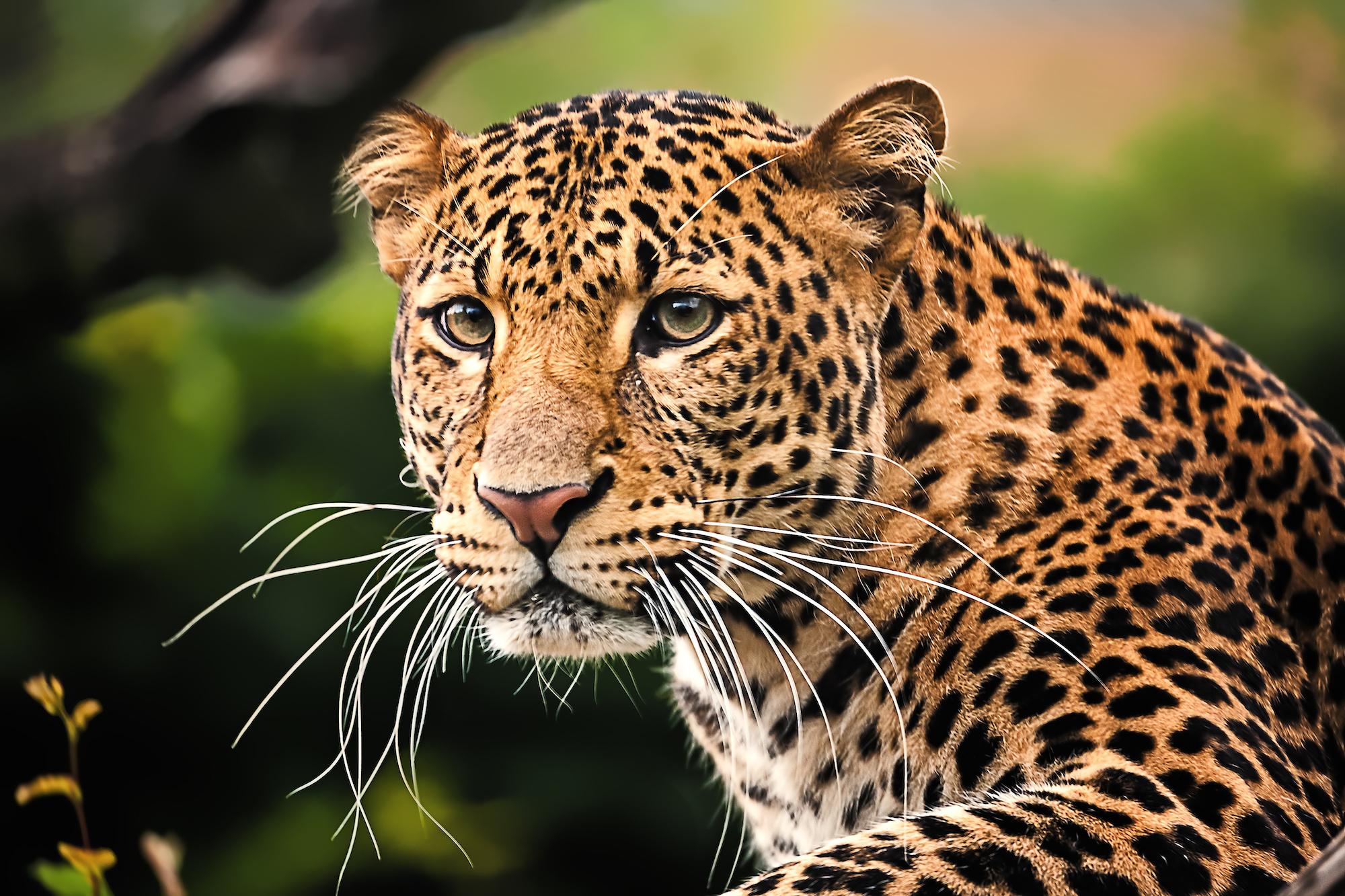
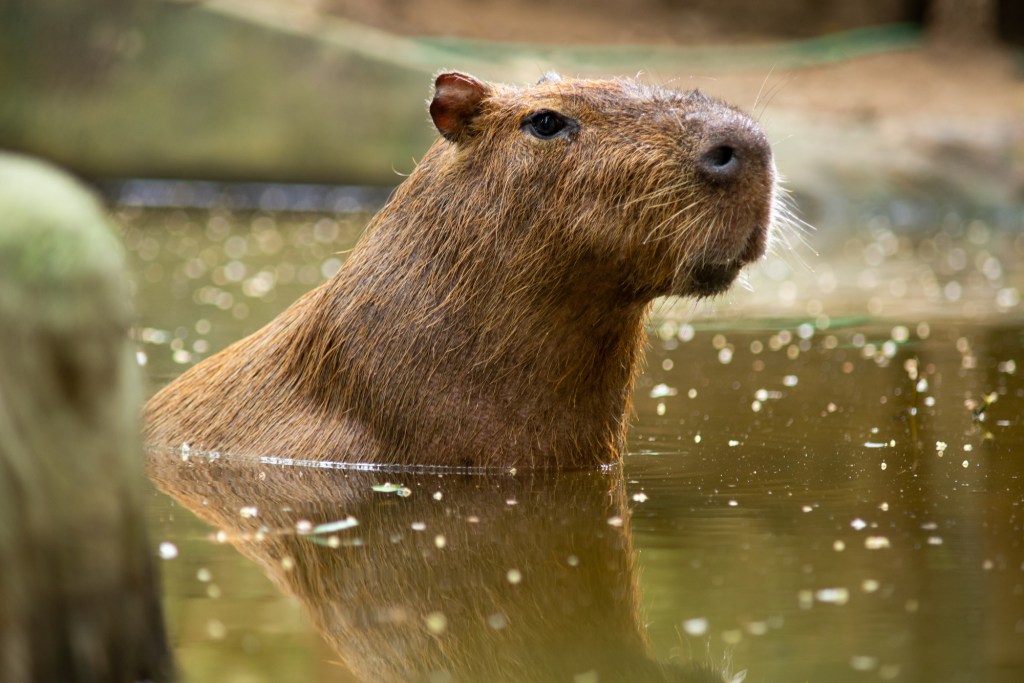
The clouded leopard’s leg had to be amputated after she was mauled by another leopard during what PETA described as a forced breeding attempt. The USDA inspection also documented the death of a female capybara during a separate breeding attempt, PETA said. Capybaras are large, semi-aquatic rodents native to South America that can weigh more than 100 pounds.
The allegations cut to the core of the group’s complaint: These animals are not choosing mates in the wild. They are confined, paired, and managed for human purposes — sometimes with grisly results.
Clouded leopards are listed as endangered under the U.S. Endangered Species Act.
In an emailed response to questions from New Times, ZWF’s owner, Mario Tabraue, a former drug kingpin who appeared in Netflix’s Tiger King, disputed PETA’s claims and the findings of the USDA inspection.
ZWF does not market itself as a look-but-don’t-touch zoo. Its website promotes “up close and personal” wildlife experiences and says encounters give visitors time to take pictures, videos, and play with animals. It also notes that animal availability can depend on size, health, character, and temperament.
That fine print reads differently now that a leopard lost a leg and a capybara wound up dead.
J.Natayo/Adobe Stock
In a statement Thursday afternoon, PETA said USDA inspectors documented 10 citations against the Miami facility, including a critical citation for failing to separate incompatible animals. Inspectors also found repeat violations involving excessive rust and sharp metal edges in enclosures, water bowls filled with algae and debris, and a food freezer contaminated with dead flies and gnats.
Inspectors also cited conditions affecting other animals, including capuchin monkeys, kinkajous, servals, and parrots, with alleged problems ranging from rusty enclosures and sharp edges to dirty water bowls and pest issues near animal food.
PETA says those encounters are part of the problem. The group pointed to ZWF’s continued public encounters, which allow visitors to come into direct contact with wild animals. PETA also cited previous incidents involving injuries to visitors and workers during hands-on encounters, arguing that such attractions place both animals and people at risk.
“In nature, wild animals roam expansive habitats and choose their own partners, but at the shoddy Zoological Wildlife Foundation, they’re confined to barren, rusty enclosures and are injured or killed during reckless forced breeding attempts,” Klayton Rutherford, PETA Foundation director of captive wildlife advocacy, said in a statement. “PETA is urging the public to stay far away from this roadside zoo and any business that thrusts wild animals into customers’ hands.”
Tabraue, a former drug kingpin, on Thursday disputed PETA’s framing and said the facility was “never cited for either one of those PETA complaints,” though the USDA inspection report lists the clouded leopard injury and capybara death under a critical citation for failing to separate incompatible animals.
“The clouded leopard was wounded by the male and unfortunately we had to amputate the leg,” Tabraue said in an email to New Times. “The veterinarian staff was here within thirty minutes to take her to the hospital.”
Tabraue said the leopard was hospitalized for more than two weeks, recovered for another two weeks in an air-conditioned room, and is now “living in an outdoor enclosure by herself off site from the public and thriving very well.”
As for the capybara, Tabraue said the male “suffocated her while trying to breed her.” He said both incidents were “beyond our control” and things that happen in nature.
“I was never cited by USDA,” Tabraue said. “These are constant PETA complaints, because they would love to see us all go out of business.”
The USDA report, however, states that ZWF “did not ensure that animals housed together or near each other were compatible.” It says incompatible animals housed together or near each other can lead to “stress, injury, and/or death.”
The case comes as Florida’s hands-on wildlife industry faces broader scrutiny. In April, the Sloth Conservation Foundation said Sloth World Orlando would close permanently after records showed at least 31 sloths died before the attraction opened. Sloths, slow-moving tree mammals often marketed as cuddly photo-op animals, are wild animals with specialized needs. The foundation said 13 surviving sloths were transferred to the Central Florida Zoo & Botanical Garden for veterinary care and placement through an accredited species-survival program.