
Photo by Eneas De Troya/Flickr

Audio By Carbonatix
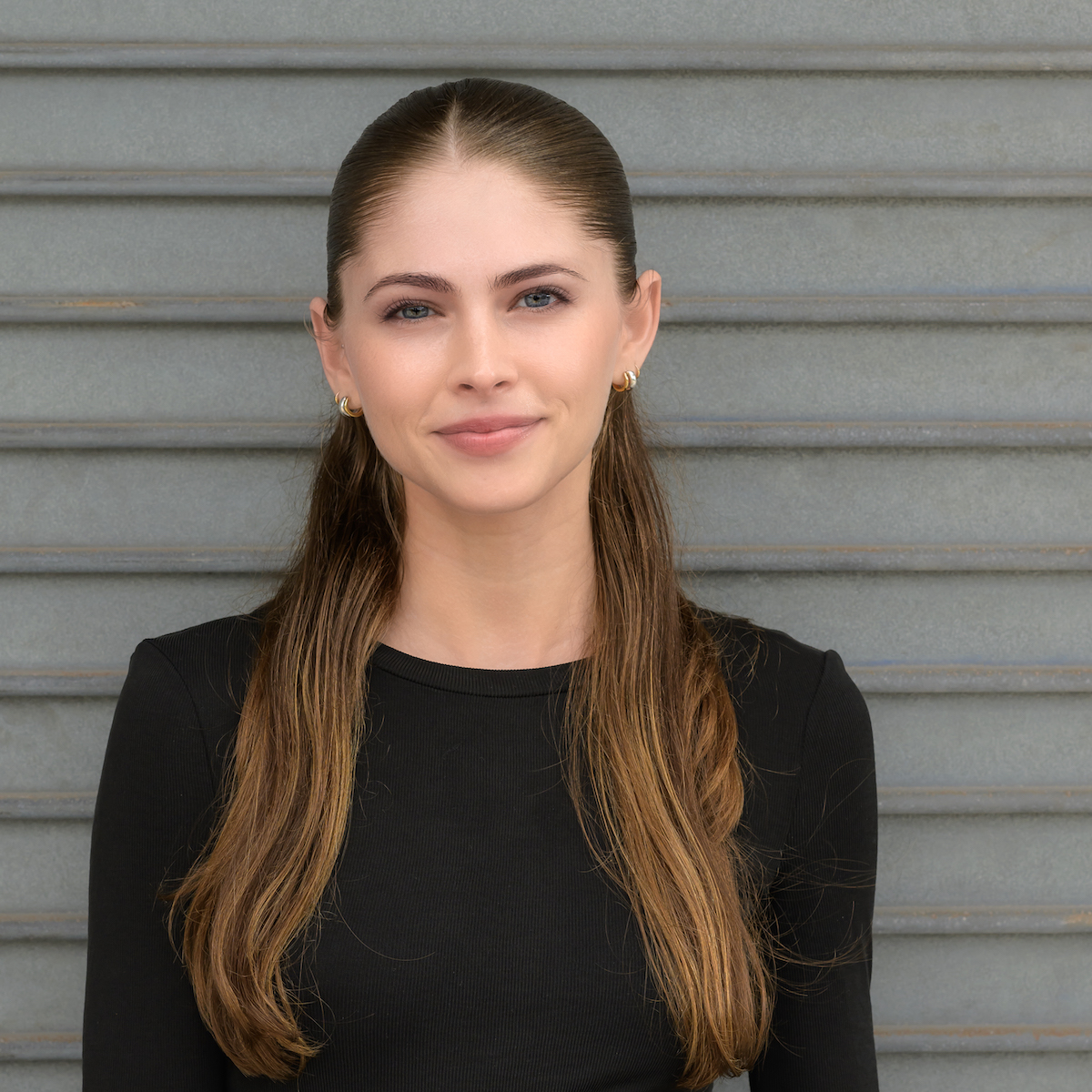
Patricia* was born in Caracas, Venezuela. In 2015, when she was a teenager, her family fled the Latin American country as it descended into severe turmoil — joining the almost 8 million Venezuelans who have left the economically devastated nation over the past decade. She eventually settled in Miami along with many others in the diaspora who, on January 3, awoke to news of Venezuelan dictator Nicolás Maduro’s stunning capture by the United States.
*Editors’ note: Patricia asked that New Times withhold her name for fear of retaliation against her family in Venezuela.
So, when Patricia read that Maduro would be sent to a New York jail to face narco-terrorism charges, she saw an unexpected opportunity.
“I wanted to give Venezuelans in the country who are not able to express themselves freely an opportunity to say something to the one man who made their lives a living hell,” she tells New Times.
The 21-year-old posted on social media that she planned to write a letter to Maduro, who is currently being held at the federal Metropolitan Detention Center in Brooklyn. She quickly received thousands of messages from Venezuelans in the country and beyond who had…a few things to say to the ousted dictator.

Photo provided to New Times

On Thursday, Patricia printed a three-page letter incorporating nearly three dozen anonymous messages she received — mostly from Venezuelans who remain in the South American country — and mailed it to Maduro.
The first page of the letter features a meme of a cat pointing and laughing alongside the words: Feliz año te desea los Venezolanos. Una carta de mensajes anónimos para Nicolás Maduro Moros, quien ahora está en Nueva York.” (Happy New Year from the Venezuelans. A letter of anonymous messages for Nicolás Maduro Moros, who is now in New York.)
It goes on to list a handful of messages from Venezuelans to the longtime dictator. Some are humorous jabs, such as “Nunca dejes de bailar” (“Never stop dancing,” likely referencing recent videos of Maduro dancing), “Ya no puedes comer arepas” (“You can no longer eat arepas”), and “Todavía hablas con El Pajarito?” (“Do you still talk to El Pajarito?”), seemingly a reference to the time Maduro claimed his predecessor Hugo Chávez appeared to him in the form of a tiny bird.
Other messages conveyed more serious reflections about life under Maduro’s regime. One person described how their friend’s father died of epilepsy because they couldn’t raise enough money for his medication.
“Many of those who participated in the activity spoke about it being therapeutic,” Patricia says.
Neither a spokesperson for the Bureau of Prisons nor Maduro’s attorney, Barry Pollack, responded to New Times‘ emailed questions about Maduro’s mail.
The U.S. seized Maduro and his wife, Cilia Flores, in a military operation Saturday, capturing them in their home on a military base in Caracas and bringing them to New York via the USS Iwo Jima, a large warship. Within hours of his capture, hundreds of people gathered outside a gas station in the Venezuelan enclave of Doral (colloquially known as “Doralzuela”) to celebrate. Draped in Venezuelan flags and wearing the national colors — red, yellow, and blue — people danced, cheered, and cried. They chanted: “Libertad!” (freedom).
Sending messages (and memes) directly to the man who once felt untouchable offered its own release, Patricia says. She encourages other Venezuelans, as well as those with Venezuelan loved ones, to give it a try.
“I was planning to send another [letter] next week, I’ve gotten thousands of messages,” she says. “It’s a bit overwhelming, really. But we will see.”