Ted Lucas photo

Audio By Carbonatix
Keep Miami New Times Free
We’re aiming to raise $7,500 by April 26. Your support ensures Miami New Times can continue watching out for you and our community. No paywall. Always accessible. Daily online and weekly in print.
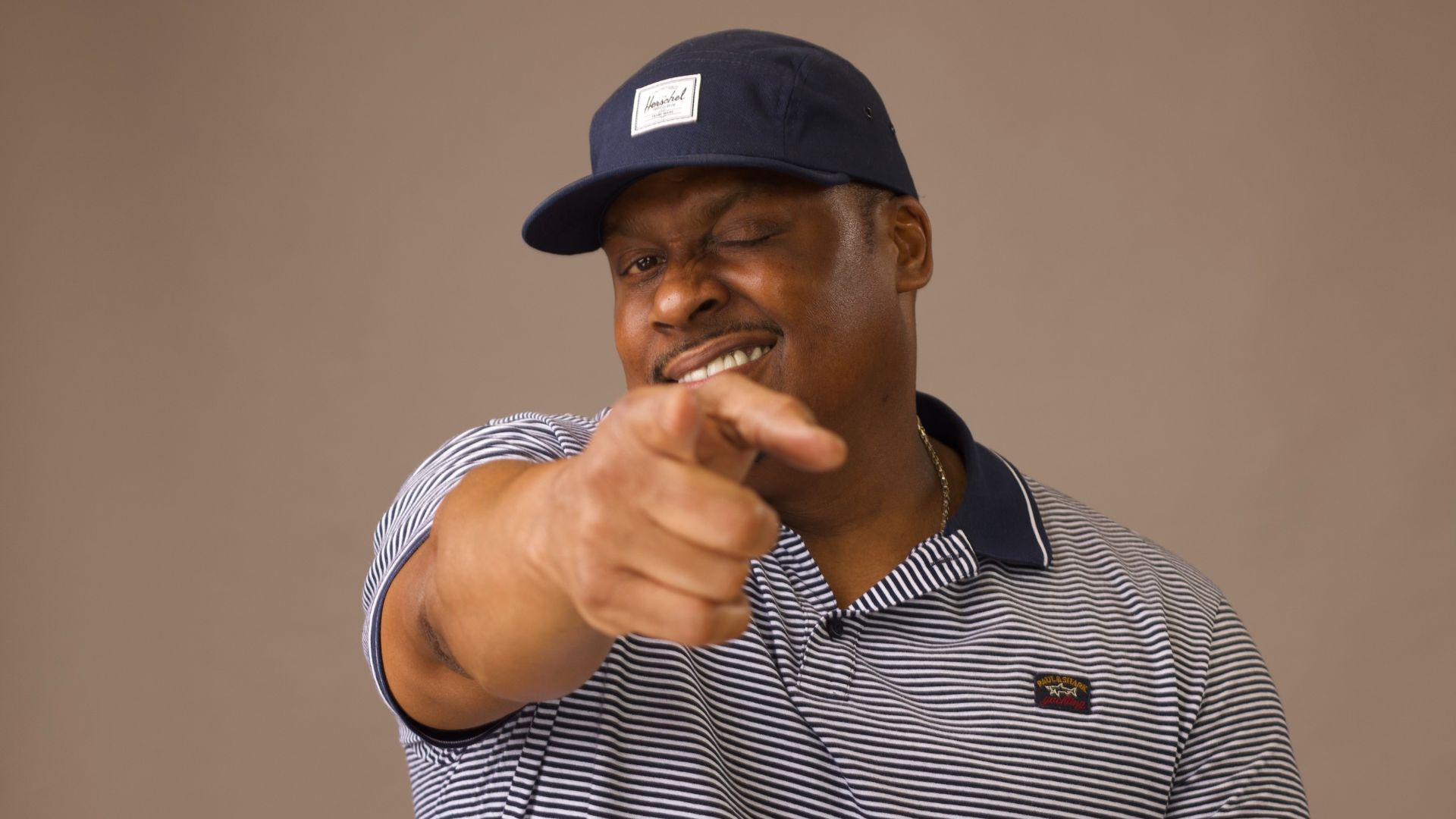
Miami has a history of building its own industries when traditional ones don’t show up. Ted Lucas did it in music as the founder of Slip-N-Slide Records. Now he’s trying to do it again, but this time with film.
The veteran music executive, known for helping launch the careers of Rick Ross, Trick Daddy, Trina, and Plies, is now focused on his latest venture: Vurt, a platform built around vertical film made specifically for how people actually consume content today.
The idea didn’t come out of nowhere. It came from frustration.
After producing his 2025 documentary the Miami Kingpins, Lucas found himself stuck trying to get it placed on major networks. He funded it himself, but still couldn’t get it where he felt it belonged. That moment shifted things.
“If it’s difficult for me,” Lucas says, “how about the creators that’s coming up behind me?”
Instead of waiting for the system to work, he decided to build a new one.
Built for the Way People Watch Now
Vurt isn’t trying to compete with traditional streaming platforms by doing the same thing better. It’s doing something different.
Everything on the platform is designed for vertical viewing, content made for your phone, not your TV. Films and series are broken down into short, fast-paced episodes that feel closer to social media than traditional cinema.
“The new generation is watching everything on their phone,” Lucas says. “They’re watching 20 seconds, three minutes, and swiping to the next.”
So instead of fighting that behavior, Vurt leans into it. Movies are essentially restructured into episodic, scroll-friendly formats that keep you watching one clip after another.
Think binge-watching, but built for your phone. And according to Lucas, this shift isn’t coming; it’s already here. “The transition is happening already,” he says.
A Better Deal for Creators
Lucas is building Vurt to fix what he sees as one of the biggest problems in entertainment: creators not getting paid fairly. Instead of the low-percentage deals often offered by networks, Vurt runs on a 50/50 revenue split.
“At Vurt, we’re splitting everything 50/50. It’s an open book,” he says. The platform itself is free to use. Revenue comes from ads, and creators get paid based on performance, how many people watch, how long they stay, and how engaged they are. “The better your content, the longer they stay,” Lucas says. It’s a model that mirrors YouTube, but applied to narrative storytelling and with a much bigger emphasis on ownership.
For Lucas, it’s consistent with how he’s always operated. “I’ve always been in the business to help create other millionaires,” he says.
Turning Miami Into a Film Hub
Beyond the platform itself, Lucas is thinking bigger. He wants Vurt to turn Miami into a real destination for filmmakers, something closer to what Tyler Perry built in Atlanta.
“I want to make a lot of creative people and film directors move to South Florida,” he says. The goal is to build an ecosystem where creators can produce, edit, and distribute all in one place, without needing to leave the city.
And Miami, with its mix of culture, talent, and global attention, makes sense as the starting point. “We’re in one of the best cities in the world,” Lucas says.
Opening the Door
At the core of Vurt is access. Lucas wants creators, especially ones who don’t have traditional industry connections, to have a real shot at building something.
“I wanna make this an easy entry to get in,” he says. The platform is launching with original series and plans to roll out new content weekly, giving creators a consistent pipeline to release work and build an audience.
And unlike traditional platforms, the door isn’t limited to a specific type of creator or audience. “This is for creatives. I don’t care where you from,” he says.
What Lucas is building with Vurt feels less like a startup and more like a shift, one that’s already happening in real time. People are watching differently. Creators are thinking differently. And platforms are starting to catch up.
If Miami played a role in shaping the sound of modern hip-hop, Lucas is betting it can help shape the future of film too.