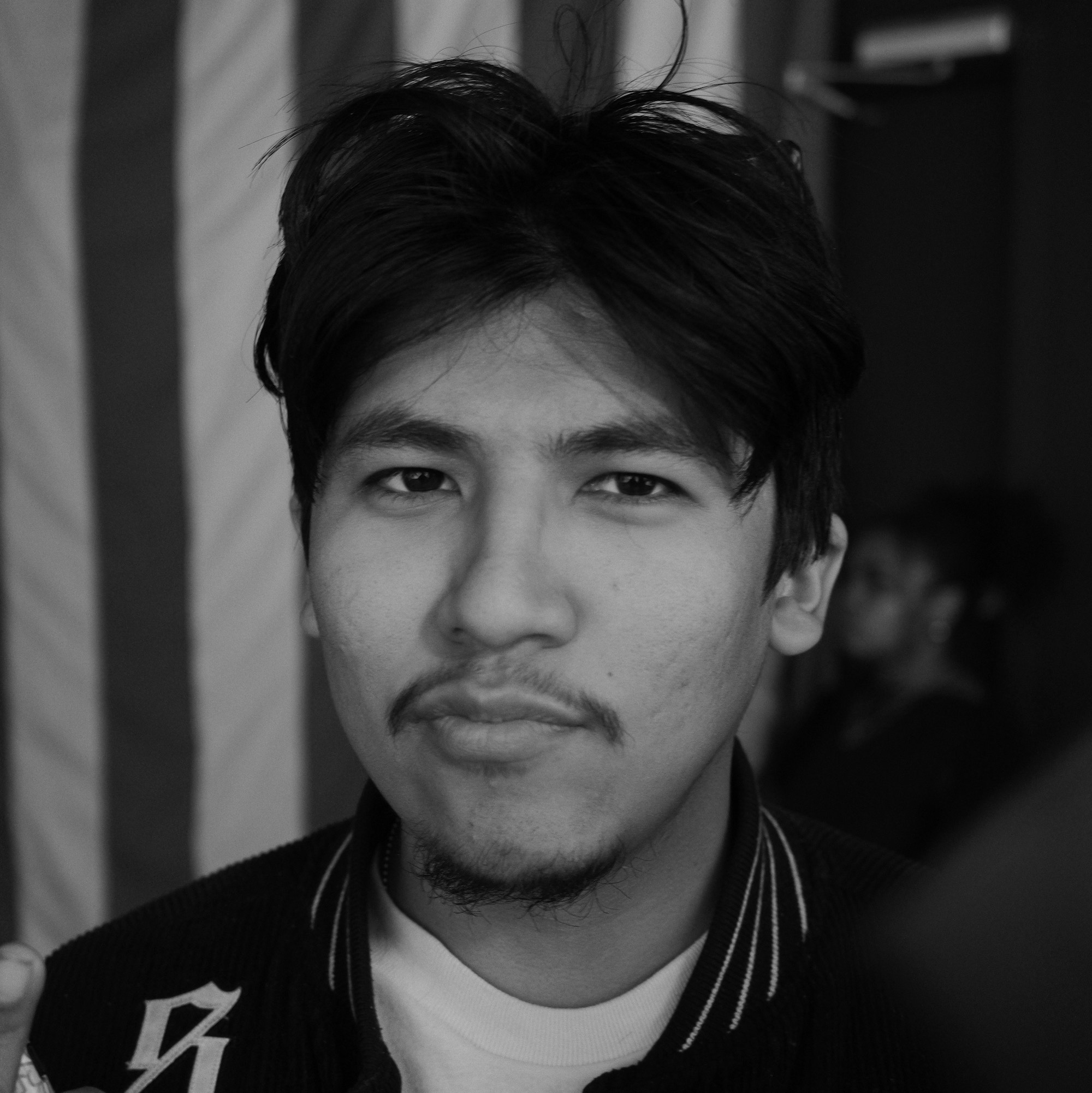
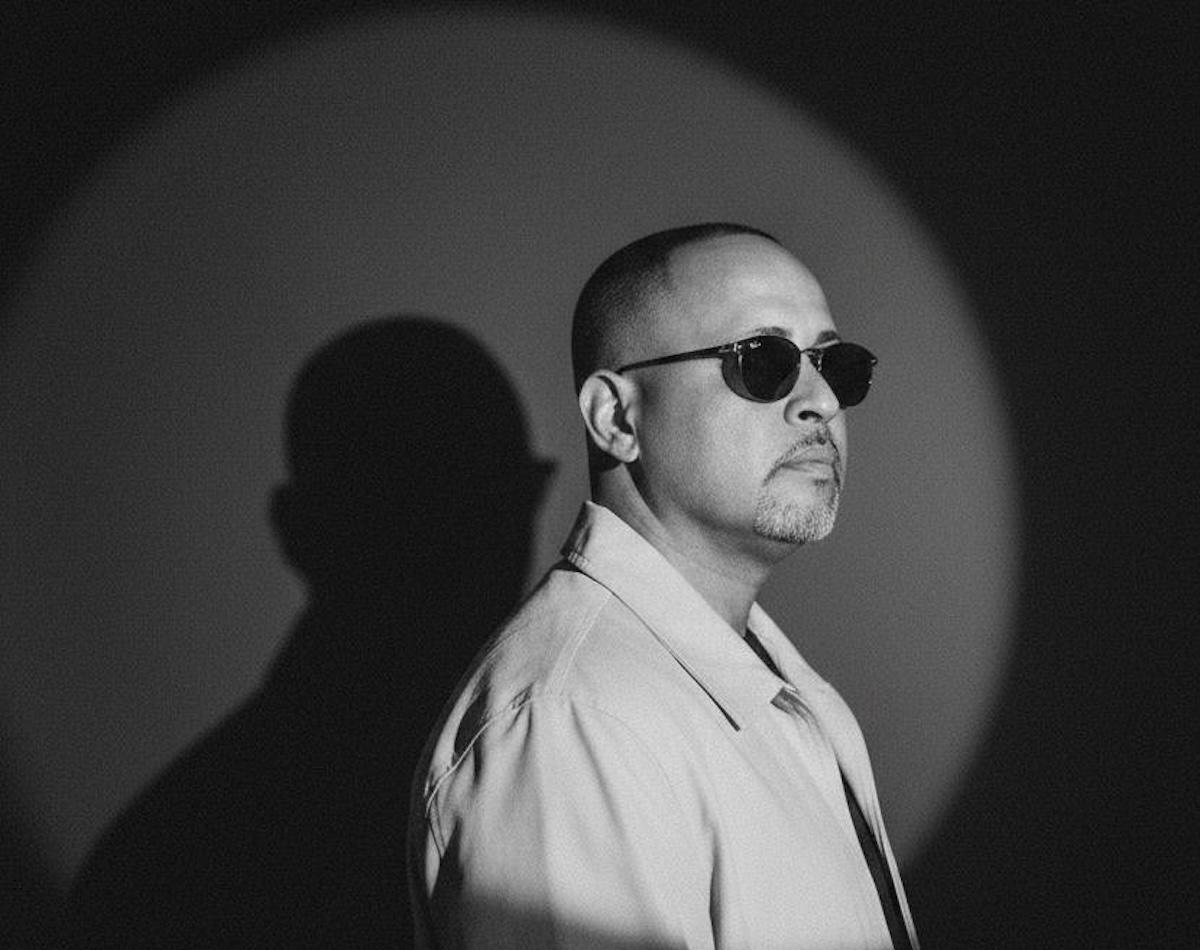
DJ Playero photo

Audio By Carbonatix
Before reggaeton became stadium music, festival music, Super Bowl music, and one of global pop’s dominant languages, it was something much rawer: cassettes passed hand to hand, beats made with limited equipment, and voices from Puerto Rico’s streets saying what the mainstream was not ready to hear.
DJ Playero remembers that era clearly. “To understand where we are now, you have to go back to the beginning,” he says in conversation with New Times. “This started underground in Puerto Rico. It was a street movement. Today people call it urban music, but back then it was underground.”
That history will be in the room on July 4, when Playero takes over Tumbao at 1-800-Lucky in Miami. For a city with its own deep connection to bass, perreo, Caribbean nightlife, and Latin music culture, the booking feels less like a nostalgia play and more like a full circle moment: one of reggaeton’s architects stepping into a party built for the music’s past, present, and future.
For Playero, born Pedro Torruellas, the underground was never just a sound. It was a method. His mixtapes helped shape early reggaeton before the genre had a fixed name, blending Jamaican dancehall, reggae en español, hip-hop, freestyle, Miami bass, and the pulse of Puerto Rico’s neighborhoods into something urgent and unmistakable.
“At the beginning, I was influenced by a lot of sounds,” he says. “Reggae, Jamaican music, hip-hop, rap in Spanish, freestyle, house music. There was also influence from Panama, from artists like El General and others who were doing Spanish-language reggae.”
Those influences collided in Puerto Rico, where young artists and DJs were building something new without waiting for approval. The process was not glamorous. It was homemade, improvised, and limited by the technology of the time.
“We didn’t have the same tools people have now,” Playero says. “We recorded with what we had at the time. Small samplers, tapes, basic equipment. Sometimes just a few seconds of memory. No compressors, nothing fancy. But we created an atmosphere.”
That atmosphere became a movement. But in the beginning, it was also heavily criticized. “Back then, it was very different,” he says. “There was a lot of criticism. The police got involved. They tried to stop the music. They saw it as something dangerous, something from the street.”
To Playero, that reaction misunderstood what the music was doing. Reggaeton was not invented to shock people randomly. It reflected what people were seeing, hearing, and living.
“The music was talking about what was happening in the streets,” he says. “It was real. It was what people were living every day.”
That honesty became one of reggaeton’s defining traits. “A lot of music had double meanings,” Playero says. “Salsa, bachata, and romantic music, they all talked about love, sex, heartbreak, the street, everything. The difference is that reggaeton said things more directly.”
Three decades later, that directness has traveled everywhere. The sound that once moved through underground tapes now belongs to clubs, festivals, arenas, and countries far beyond Puerto Rico. Colombia has given reggaeton its own sleek melodic wave. Mexico, Chile, the Dominican Republic, Spain, Italy, and other places have all added their own accents to the genre.
Still, for Playero, the roots matter. He has watched reggaeton go from being policed and dismissed to being celebrated around the world. When he plays outside Puerto Rico and sees crowds singing back the music, he feels the weight of that journey.
“Sometimes you arrive somewhere far from Puerto Rico, and people know everything,” he says. “They know the songs, the history, the names. That makes you say, ‘Wow, Puerto Rico pal mundo.’”
That phrase carries extra meaning in Miami, a city shaped by Caribbean sound, Latin migration, bass culture, and late-night dance floors. Tumbao has built its name around that same energy: sweaty, nostalgic, and rooted in perreo. On July 4, Playero’s set will not just be a throwback. It will be a reminder of how far the music has traveled and how alive its foundation still is.
For longtime fans, Playero represents the era when reggaeton was still dangerous, local, and homemade. For younger listeners, he represents a chapter they may know more through influence than firsthand memory. Either way, his presence connects the genre’s origin story to the way people experience it now: together, loud, and in motion.
“When you are a DJ, you learn how to read the room,” Playero says. “You see what people want, what they are feeling, and you give them that.” After decades in music, that connection still motivates him.
“The music. The production. Working with artists. Seeing the crowd react. That’s what I love,” he says. “When your work is also your passion, it keeps you going.”
Reggaeton now belongs to the world, but Playero’s story is a reminder that global movements often begin in small rooms, with imperfect equipment, risky ideas, and people bold enough to make noise before anyone gives them permission. “Now it belongs to the world,” Playero says. “But the roots are there.”
Tumbao 4th of July With DJ Playero. 9 p.m. Saturday, July 4; 1-800-Lucky, 143 NW 23rd St., Miami; eventbrite.com. Free with RSVP via Eventbrite.