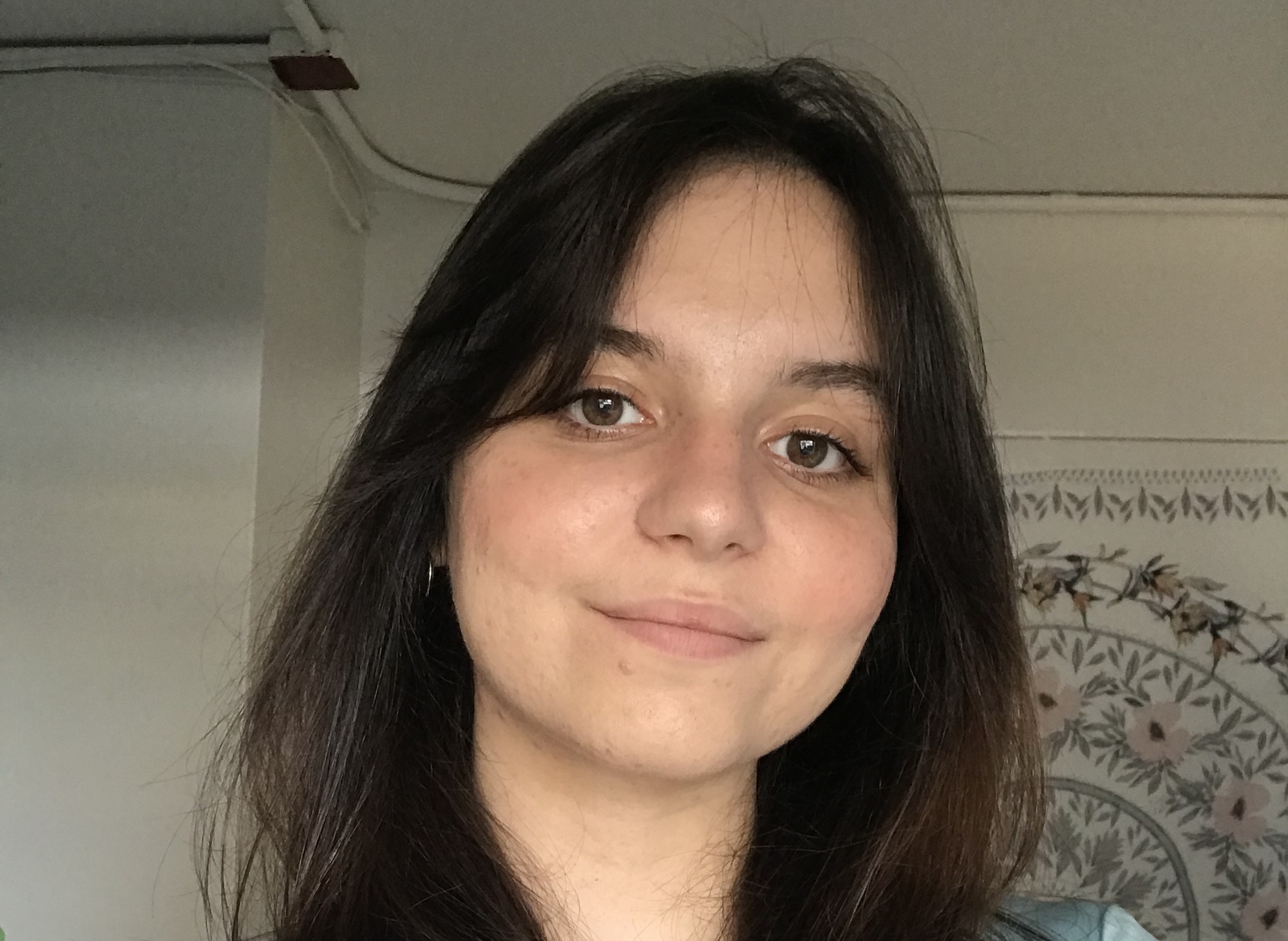

Photo by K. Amey

Audio By Carbonatix
During the latter half of Ron DeSantis’ term as Florida Governor, many of the state’s culture war battles have played out in the classroom. From book bans to curriculum changes, dodging political minefields has become part of the job description for Florida’s teachers in recent years, and sometimes, educators have to get creative.
The African-American Research Library and Cultural Center (AARLCC) in Broward County — one of only a handful of such institutions in the country — dares to take on those challenges head-on. Historian and educator Dr. Tameka Hobbs, one of the many specialists and research professionals who call AARLCC home, spearheads the effort with the Black History Saturday School CommuniVersity Series. The free classes are in session through June, and they feature a rotating cast of lecturers presenting on topics ranging from Afrofuturism to African American vernacular traditions to the Black women teachers who revolutionized education in the South in the 1900s.
Dr. Hobbs recounts some of the conditions that led to the series’ founding: “There was the refusal by the State of Florida to approve an AP African-American Studies curriculum, and they used some very harsh and dismissive language around that. Then, there was also the release of some new standards for social studies in the state, which included things like describing the institution of slavery as being a benefit to those people who suffered through it. After all of that controversy, it was just in my mind and heart that we needed to do something here to have some regular programming where people could come and receive unadulterated Black history — factual Black history — unfettered by the rules of public government.”
The now award-winning program, recognized by the National Association of Counties (NACo), began as a one-off class for teens. To Dr. Hobbs’s surprise, parents stayed in the class with their children, often asking more questions than the students.
“The parents were very involved in the dialogue,” she says. “They were blown away by the things that they were learning as well, and that really allowed us to see that, while it’s great and fine to focus on the teens, our adult population also has gaps that need to be filled.”
Once she and her colleagues identified the need for the Saturday school program, they experimented with different class formats. These have included everything from an “adults-only” weekend cohort to a session in which parents and their children are split into two groups — the kids get a special, age-appropriate storytime exploring the same themes the adults are being taught. The approach encourages learning in an environment that fosters intergenerational conversations.
“After the dialogue concludes, we offer lunch, so it often turns into a ‘Lunch & Learn,'” adds Dr. Hobbs. “What I’ve learned from this iteration is that two hours is not quite enough. We need more time. People really get into it. They want to explore and talk with each other. They want to pick the instructors’ brains, so it’s just become a really lovely experience in that way.”
Dr. Hobbs admits she would love to see more diversity in each class. She confirms the sessions primarily comprise Black and African-American families, with parents often shocked to learn they, too, have learned “bad Black history” in schools. They hope to change that for their own children.
But everyone can benefit from taking part in the Saturday school sessions, Dr. Hobbs stresses, whether they be Hispanic/Latino, Asian, white, or any of the many demographics and identities that call South Florida home.
“The Black experience is not just for Black people,” she says. “It’s a shared experience. The only way that we are able to live better together, I firmly believe, is that we have to know more about each other. And that door is open to everyone.”
And the learning continues even after Saturday school — a new exhibition, “Selma Is Now,” will debut at the AARLCC on January 31. It features the work of photographer Spider Martin, who captured images of the marches from Selma to Montgomery in 1965.
Dr. Hobbs says the exhibition and the series are part of a larger message. “It’s really important that kids see what lifelong learning looks like,” she says. “School is not just something that we’re forcing you to do. It’s especially valuable for [children] to see adults at their desks taking notes and taking in information at the same time as them, which is all very, very powerful.”
Black History Saturday School CommuniVersity. Through June 6, 2026, at the African-American Research Library and Cultural Center, 2650 Sistrunk Blvd., Fort Lauderdale; 954-357-6282; broward.org. Admission is free via eventbrite.com.