
Courtesy Ballet Flamenco La Rosa

Audio By Carbonatix
Keep Miami New Times Free
We’re aiming to raise $7,500 by April 26. Your support ensures Miami New Times can continue watching out for you and our community. No paywall. Always accessible. Daily online and weekly in print.
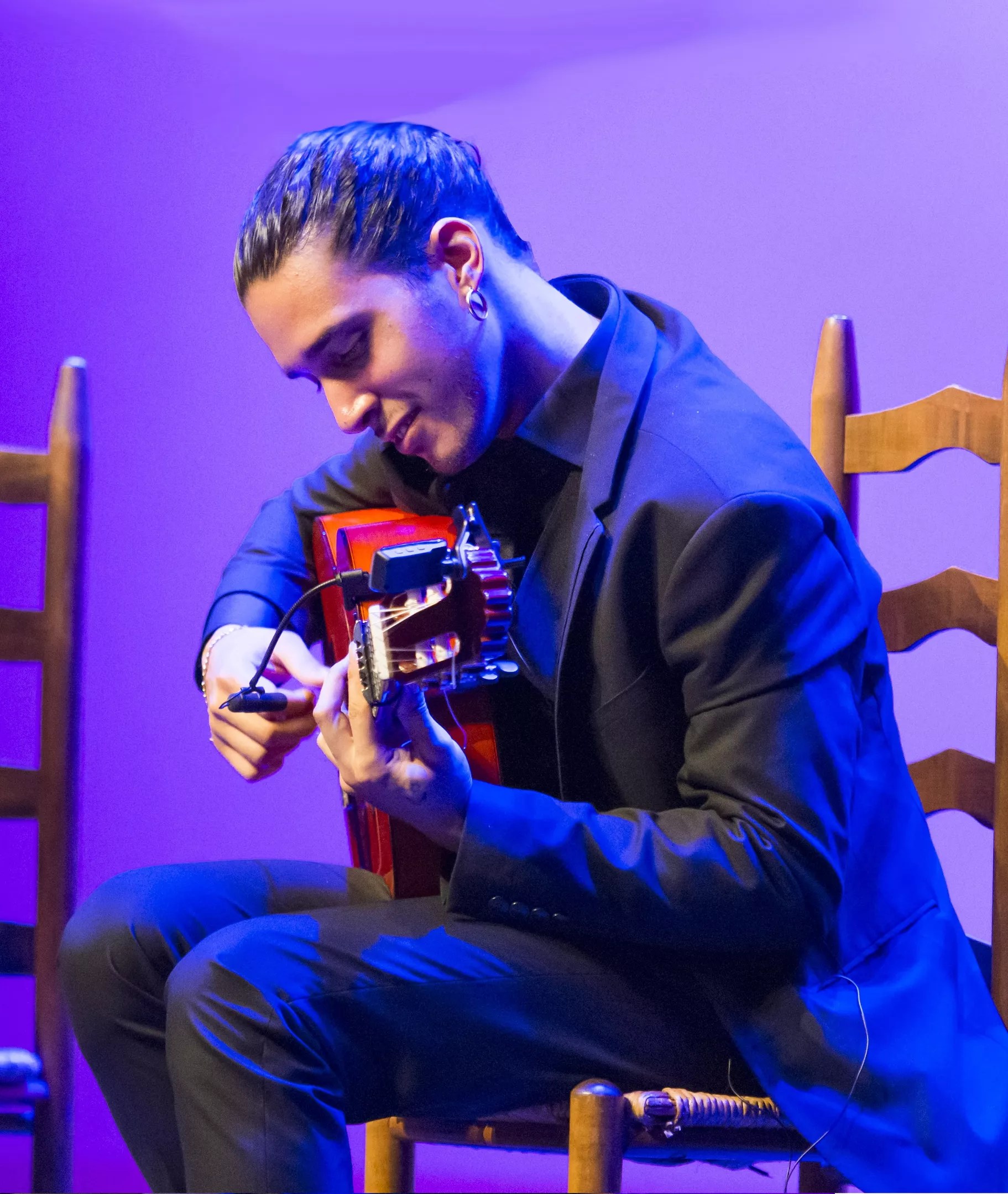
Ballet Flamenco La Rosa’s studio evokes the feel of a tablao in Spain. The strumming of the guitar, the rapid-fire rhythms of footwork, and the soft vocals of the singer reach across time and place. The piece being rehearsed, La Casa de la Muñeca (inspired by Henrik Ibsen’s A Doll’s House), is likewise timeless and carries universal themes, dealing with anxieties that resonate in the most innate way.
La Casa de la Muñeca, as adapted by artistic director Ilisa Rosal, is a marriage between drama and flamenco, an art form filled with passion. It will be performed this weekend at the Colony Theatre in Miami Beach.
Rosal has gathered exceptional artists from across Spain for this production. Using recommendations from friends and conducting an internet search of artists performing in tablaos in Madrid, Rosal found her “Nora” in Irene La Sentio. “I could tell in less than a minute that she had the qualities I wanted.” A native of Seville, La Sentio has toured internationally and is making her Miami debut with La Casa de la Muñeca. “Flamenco has all the elements to express the drama of A Doll’s House,” Rosal says.
“Dramatic narrative ballet is part of the flamenco tradition,” she continues. “Earlier works [such as Carmen and The House of Bernarda Alba] remained close to the Spanish themes… I’m taking it a step further – taking what is traditionally not a Spanish theme and making it so… It’s good for the art form to stretch and grow, then come back to its roots.”
Ibsen’s A Doll’s House was met with much controversy and outrage when it was first performed in Copenhagen in 1879, and it continues to engage viewers today. With the protagonist Nora’s journey and its tense plot and complex characters, the play touches upon universal themes: The unraveling of a family, illusions of contentment, the search for identity, relationships between the sexes, and women’s roles in society are all pertinent today.
Nora undergoes a transformation, and the young artists working with Rosal seem to be making their own transitions. They developed their artistry by playing in tablaos, and while La Casa de la Muñeca is presented on a different type of stage, it allows them to expand their skills and expertise to push themselves into new territory – much like Nora’s awakening to her unfulfilled potentials. “Any time a dancer works with a new choreographer, it’s challenging,” Rosal says, “in any genre.”
– Diana Dunbar, artburstmiami.com
Ballet Flamenco La Rosa’s La Casa de la Muñeca
8 p.m. Saturday, April 1, and 3 p.m. Sunday, April 2, at the Colony Theatre, 1040 Lincoln Rd., Miami Beach; 786-320-6982; balletflamencolarosa.com.