R House photo

Audio By Carbonatix
The biblical tagline for the upcoming season of RuPaul’s Drag Race dramatically declares, “In shady times. Let there be light.” A reality television juggernaut, the show’s 18th season debuts on Friday, January 2, featuring the largest contingent of South Florida queens in its “herstory.” Miami’s Athena Dion and Juicy Love Dion, and West Palm’s Mia Starr will enter the werkroom this time around, and although South Florida is well-represented, this heightened inclusion comes as the State of Florida continues to battle drag.
Back in 2009, RuPaul’s Drag Race was a bit experimental. The Logo TV competition reality show centered around queer performance was a Frankensteinian mashup of predecessors such as Project Runway and America’s Next Top Model. South Florida played an elemental role, with Fort Lauderdale’s Rebecca Glasscock cast on the inaugural season. South Florida’s Latrice Royale, who became a standout fan favorite, joined three seasons later, as did Lashauwn Beyond, who coined the ever-enduring catchphrase, “This isn’t RuPaul’s Best Friend Race.” Despite their key contributions, a decade-long drought of South Florida representation followed (though Central Florida queens were cast during this time).
Finally, in 2023, Beyond’s drag daughter, Miami’s Malaysia Babydoll Foxx, was cast on Season 15. Since then, at least one South Florida queen has competed in every subsequent season of Drag Race. Miami’s Morphine Love Dion, Mhi’ya Iman Le’Paige, and Lucky Starzzz, as well as Fort Lauderdale’s Suzie Toot, have showcased the depth of talent and diversity of the South Florida drag scene over the past couple of years. Now, Athena Dion, Juicy Love Dion, and Mia Starr continue the tradition.
But outside of Drag Race, the relationship between drag, the LGBTQ+ community, and the State of Florida is more fraught. Governor Ron DeSantis’ administration has removed rainbow crosswalks and pushed for the passage of HB 1557 and HB 1069, known colloquially as “Don’t Say Gay” and “Don’t Say They,” respectively. Under the guise of parental rights, these laws have, in some cases, forced teachers, families, and students back into the proverbial closet.
One state bill, the Protection of Children Act, has specifically affected drag performers. Sometimes called Florida’s Anti-Drag law, SB 1438 never actually mentions “drag.” The law bans children from exposure to live adult performances that may feature nudity, lewdness, sexual conduct, or most peculiarly, the exposure of prosthetic genitals or breasts. The passage of the law in 2023 was met with a legal challenge by Hamburger Mary’s, a popular chain restaurant with drag performers. The law was unenforceable for two years as it made its way through the courts, but it sent a decisive chill into the typically humid Florida air.
Last month, the issue reentered the spotlight when Florida Attorney General James Uthmeier called for the cancellation of a Christmas-themed drag show in Pensacola. The long-running holiday program, A Drag Queen Christmas, features past cast members of RuPaul’s Drag Race, including Toot. The production had already played in Orlando and St. Petersburg when Uthmeier sent a letter to the Pensacola City Council calling the show “city-sanctioned religious mockery” verging on “religious discrimination.” Despite the program’s clear 18+ designation, Uthmeier claimed the show posed “pronounced threats to the health, safety, and welfare of children,” adding, “while the Pensacola Children are taking pictures with Santa, men dressed as garish women in demonic costumes will be engaged in obscene behavior mere feet away.”
Citing First Amendment rights concerns, the city council objected to intervening, and the show went on as scheduled on Tuesday, December 23. At the time, it appeared the battle would be another draw in Florida’s overblown culture war.
But days before the show, on December 15, the 11th U.S. Court of Appeals ruled against the lower court’s decision regarding the Protection of Children Act. The latest ruling allows for enforcement of the law despite its murky language. The court carved out a special exception for Hamburger Mary’s, the venue that initially challenged the law, but in effect, the ruling placed the legal burden on individuals and venues by requiring them to challenge the law themselves.
It was a blow to Florida’s drag and LGBTQ+ communities. Uthmeier was pleased. “For two years, our law preventing children from attending explicit drag shows was held up in court. Starting today, the law is in effect thanks to a win on appeal by our office,” the Attorney General said. “If you’re exposing children to lewd conduct, you’re on notice,” he added. “We’re watching, Pensacola.”
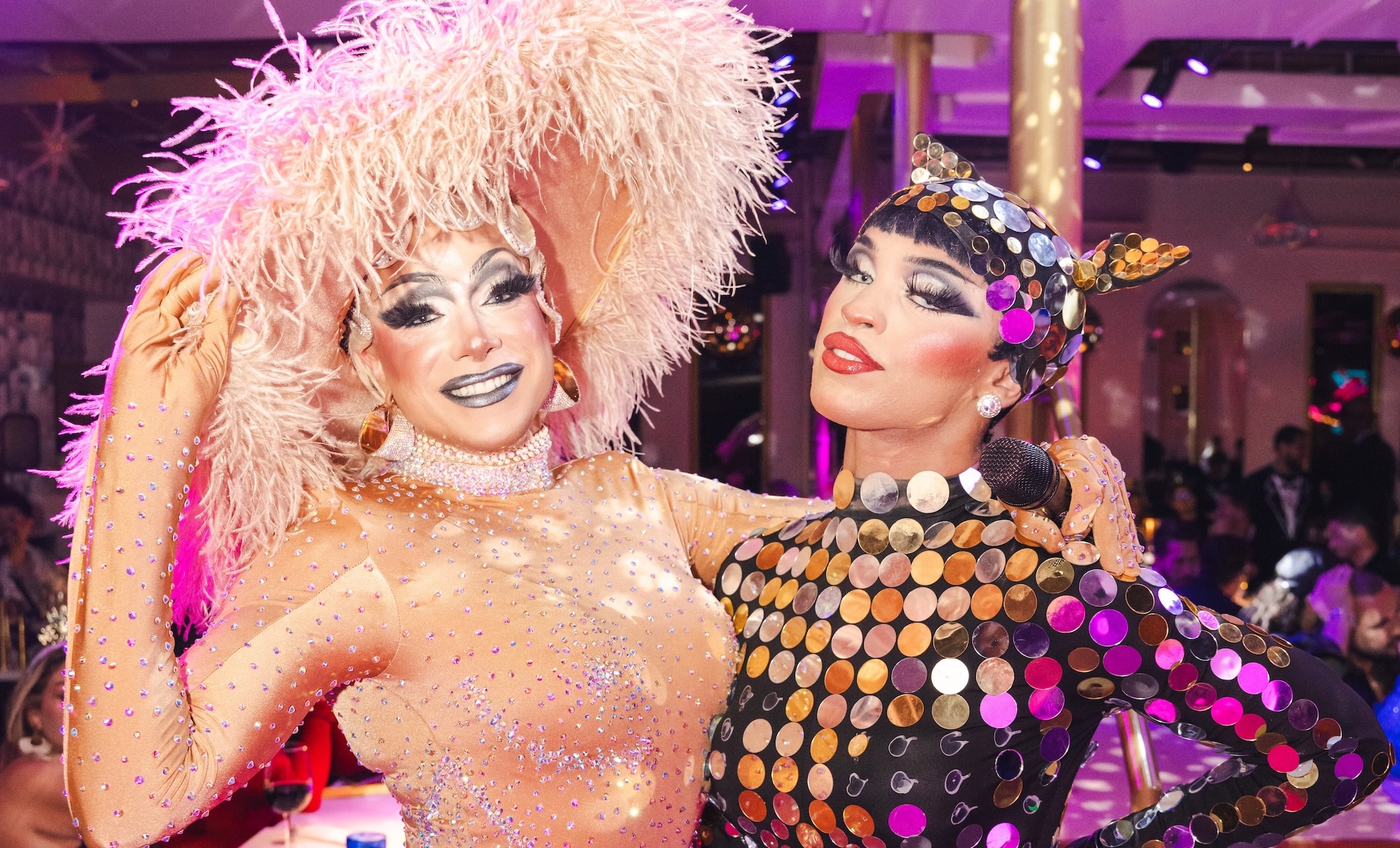
America will be watching Florida’s drag queens, too — though not in the same way Uthmeier means it. Performers like Athena Dion, Juicy Love Dion, and Mia Starr will have the eyes of the nation for the next few weeks, and local drag venues will continue to uplift the art form. R House Wynwood will host all three queens for a premiere party, with subsequent watch parties to follow throughout the season.