
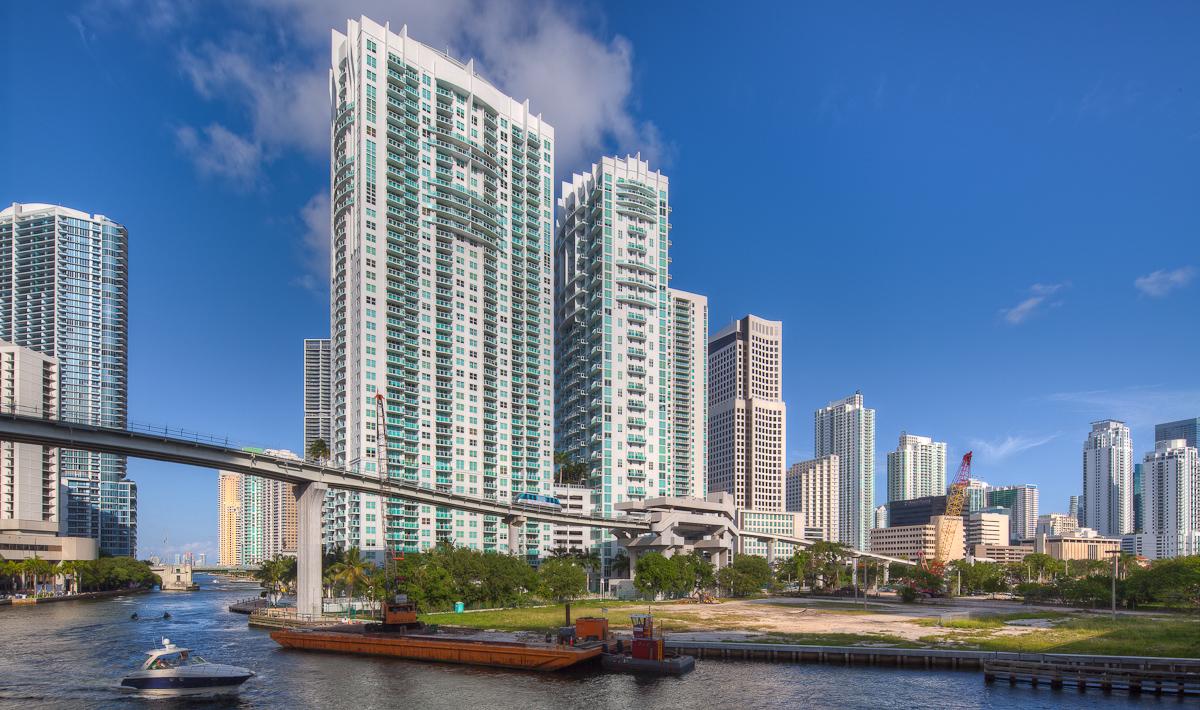
Photo by Adam Mizrahi from Flickr

Audio By Carbonatix
Miami offers perhaps among the starkest examples of wealth disparity among U.S. cities. Billionaires like Elon Musk, Jeff Bezos, and Mark Zuckerberg are moving to the area in droves. Meanwhile, middle class workers often struggle to afford the cost of living, as evidenced by a new ranking by WalletHub placing the Magic City as the least affordable city in the U.S.
Personal finance website WalletHub regularly releases affordability studies, looking at factors like the median household income and median rental price of cities across the nation. Out of 182 cities in its recent ranking, Miami ranked dead last for rental affordability.
“Over the past decade, rental costs have increased by more than 50 percent, according to the Federal Reserve’s Consumer Price Index, reflecting a similar surge in home prices during the same period,” according to the study. “However, wages have not grown at the same pace, making housing increasingly difficult for many people to afford.”
The affordability rankings are a bad look for Florida, with no city in the Sunshine State cracking the top 100. Jacksonville (125) finished highest, with Miami’s South Florida neighbors Fort Lauderdale (155) and Pembroke Pines (174) also appearing low on the affordability list.
According to Zillow, the average rental cost in Miami is $3,150 a month, while the U.S. Census Bureau data says median household income is about $62,000 (or about $5,100 monthly). Most economists would tell you not to spend more than a third of your income on rent, but many Miamians fork over more than half of their income.
On the far end of the chart’s other side, Bismarck, North Dakota, came in first; with Sioux Falls, South Dakota, (second); Cedar Rapids, Iowa, (third); Charleston, West Virginia, (fourth); and Fargo, North Dakota, (fifth) rounding out the top five.
“In the most affordable cities for renters, the median cost of rent is as low as 15 percent of the median income, compared to nearly 34 percent in the most expensive cities. This gives people in the least expensive cities a clear financial advantage; the money they save on rent could go toward their emergency fund or savings for future home ownership.”