

Audio By Carbonatix
Reader support matters more than ever
We're in the final stretch of our summer campaign. Our goal is to raise $10,000 by August 9 to support the journalism our community relies on. Reader support is helping shape the future of local news.
Pop music made a strong comeback this year, fueled by chart-topping albums from veterans like Lady Gaga and Taylor Swift and standout tracks from newcomers Lola Young and Addison Rae. However, the biggest song of the past 12 months didn’t hit No. 1 or rely on earworm lyrics — it simply urged listeners to “get it, get it.”
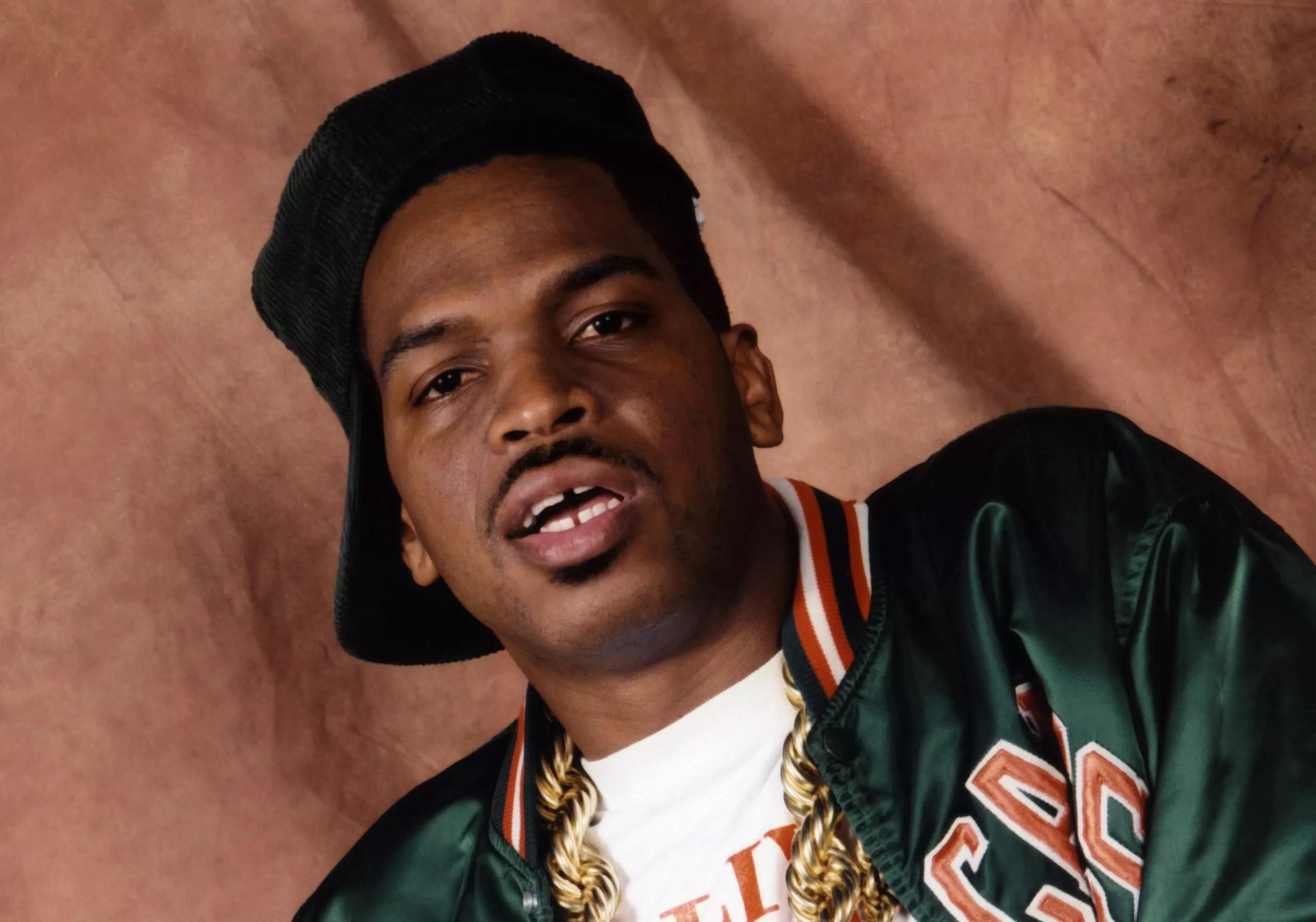
Uncle Luke’s “I Wanna Rock” was, quietly, the most enduring track of 2025. No, it doesn’t fit the usual metrics that would qualify such a distinction — the song peaked at number 73 on the Billboard Hot 100 chart in May 1992. However, through its widespread use as a sample and interpolation in various songs across genre and generational lines in the years since, the Liberty City native’s party-starting anthem has solidified its lasting impact on the culture.
Luke (born Luther Campbell) gained notoriety alongside the L.A.-cultivated, Miami-based 2 Live Crew, thanks to their 1986 debut The 2 Live Crew Is What We Are. “I Wanna Rock” from his 1992 solo sophomore LP I Got Shit on My Mind, exemplifies the Miami bass sound he popularized — categorized by heavy, car-testing beats designed to make people let loose, have fun, and dance. Affectionately known as “Doo Doo Brown,” the fast-paced, four-minute track is equipped with energetic call-and-response lyrics, where Luke commands female listeners to “show that pu**y,” “shake them ti**ies,” and “take it off.”
The rhythmic flexibility of Luke’s instantly recognizable chant allows “I Wanna Rock” to easily bend and fit into many musical spaces. It’s heard as a sample on Lizzo’s “GOTCHO B**CH,” found on her mixtape, My Face Hurts From Smiling. It also found a home within R&B: on Ciara’s sultry “Low Key” from her studio album CiCi tackles physical intimacy and closeness, especially “when the babies go to sleep.” This longevity and adaptability across genre lines lie in the sonic intersection it occupies (hip-hop, southern rap, and club/house), allowing for fluidity.
With such raunchy subject matter, it’s very easy to dismiss Luke’s discography as mere “party music.” Yet, the deeper context lies in the struggle he faced to have it heard and the broader statement of freedom it represents. Though he’s argued that his influence on hip-hop is undersold, his legacy as both a southern rap impresario and free-speech advocate —marked by the landmark obscenity ruling involving 2 Live Crew’s platinum-selling 1989 album, As Nasty As They Wanna Be — is undeniable. At its core, Luke’s discography is about sonic, verbal, and physical liberation. That spirit continues to pulse through the contemporary artists who sample and reinterpret his sound.
Grammy-winning rapper Tyler, The Creator flipped “I Wanna Rock” twice in the last year. “Balloon” (featuring Florida native Doechii, and found on Chromokopia ) comes with lyrics about self-expression and freedom. “Don’t You Worry Baby,” found on Don’t Tap That Glass, uses the motif of dance to express desire. (On Instagram, he wrote that the latter project was “not made for sitting still.”) Similarly, Luke’s ethos of liberation is reflected in pop star JoJo’s “Porcelain,” the lead single from her EP, NGL. The song “is a celebration of surrender and strength,” she said, while the project is about personal freedom.
Sampling allows songs to be reworked and recontextualized, evolving their messages and introducing older sounds to new audiences. “I Wanna Rock” was notably sampled at the end of Blue Ivy Carter’s viral dance breakdown during “America Has a Problem,” performed while on her mother Beyoncé’s record-breaking Cowboy Carter Tour. The mashup fused Luke’s controversial energy with Beyoncé’s commentary on power and Black expression, as well as her daughter’s star-making moment, bridging eras of cultural defiance.
It’s evident why “I Wanna Rock” has endured for over 30 years — and it’s not just because it sounds good. Beyond that, the song’s spirit releases unbridled joy, proving its worth as an elastic cultural text time and again, but most clearly in 2025.
The sheer number of women artists who have utilized Luke’s work reshapes his legacy amongst female listeners. He has been open about his belief that he’s helped women rappers become more sexually expressive. ( “Anybody that’s running around shaking their a** talking about pu**y and d*ck on the record, y’all need to send me a check,” he said on Instagram Live in August 2024.) However, through the use of “I Wanna Rock,” women artists have flipped its narrative, using the artist’s catalogue to define freedom on their own terms and challenging the idea that their liberation is something that must be granted.
“I Wanna Rock” has outlived the moral panic that aimed to silence its creator, transforming into a party-starting vessel for new generations, exploring what freedom sounds and feels like. Its simple lyrics serve as a manifesto that champions the right to move, speak, and take up space. More than 30 years later, the track and artist’s legacies remind us that freedom in music and body are things we can’t stop fighting for.